Top Things to Do in Bohol: Ultimate 15-Day Family-Friendly Travel Guide

Why Visit Bohol in Philippines?
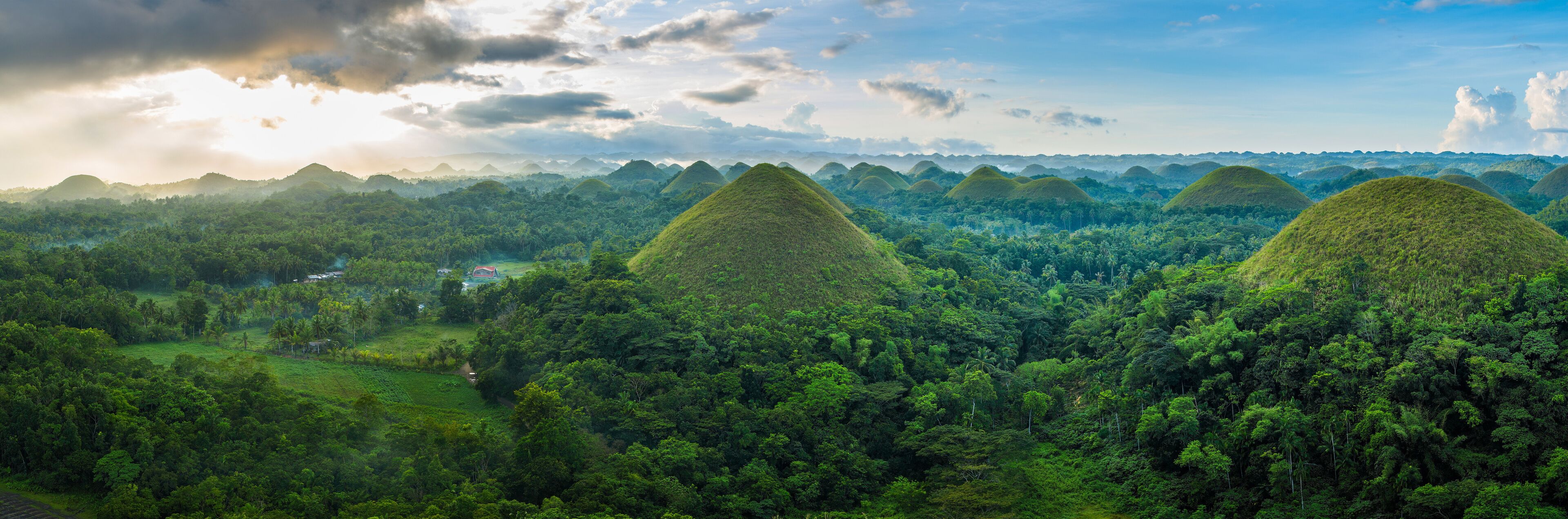
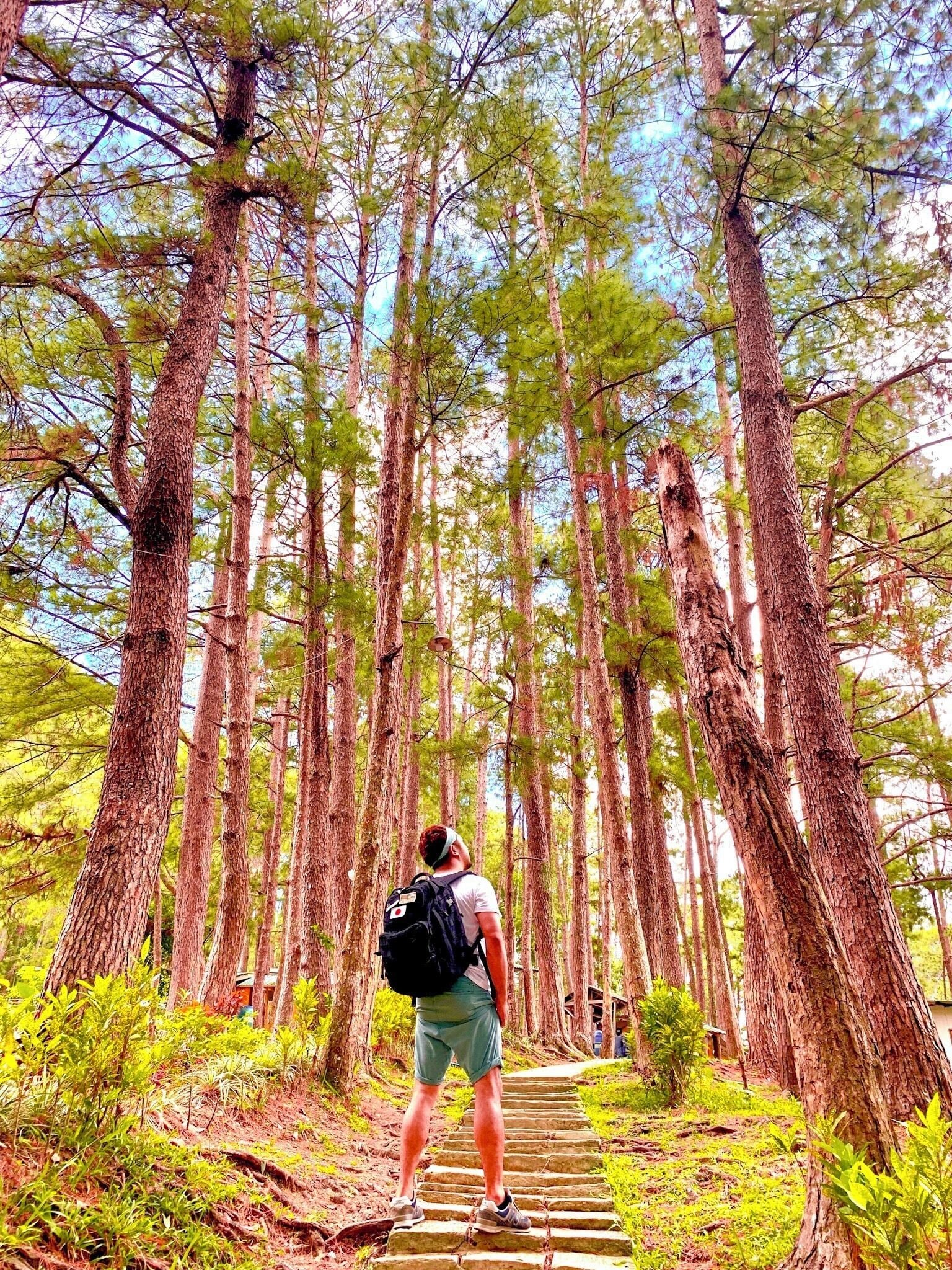
Bohol is undeniably one of the most captivating island destinations in the Philippines, offering a perfect blend of natural wonders, rich history, and family-friendly adventures. Unlike the heavily crowded tourist traps found elsewhere in Southeast Asia, Bohol maintains a pristine, authentic charm that appeals to travelers of all ages. The province is globally renowned for its iconic Chocolate Hills, a geological marvel consisting of over a thousand perfectly cone-shaped hills. Beyond the hills, Bohol is home to the Philippine Tarsier, one of the world's smallest and most adorable primates. Families will find endless opportunities to bond over nature, whether it is cruising down the emerald-green waters of the Loboc River or exploring hidden waterfalls.
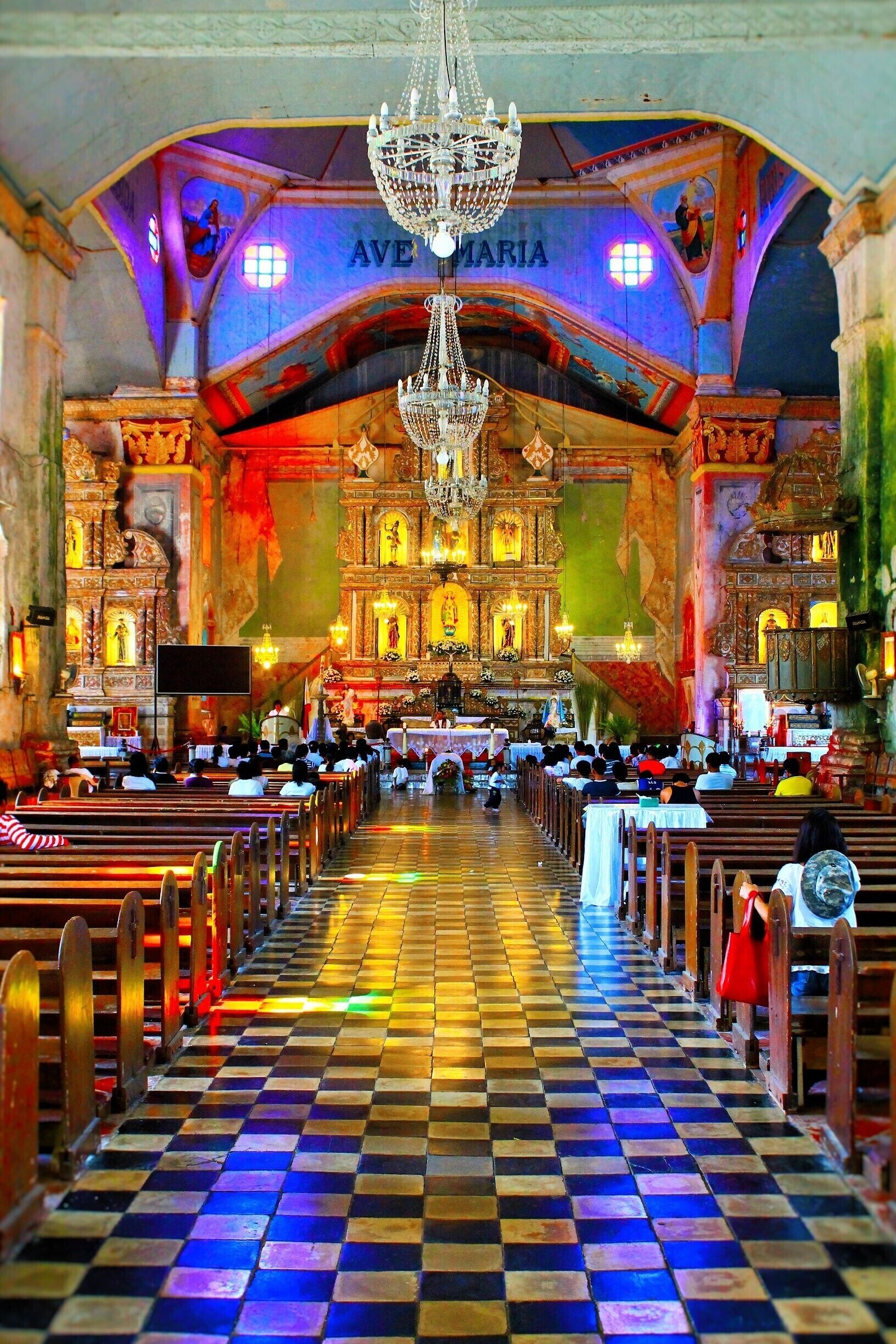
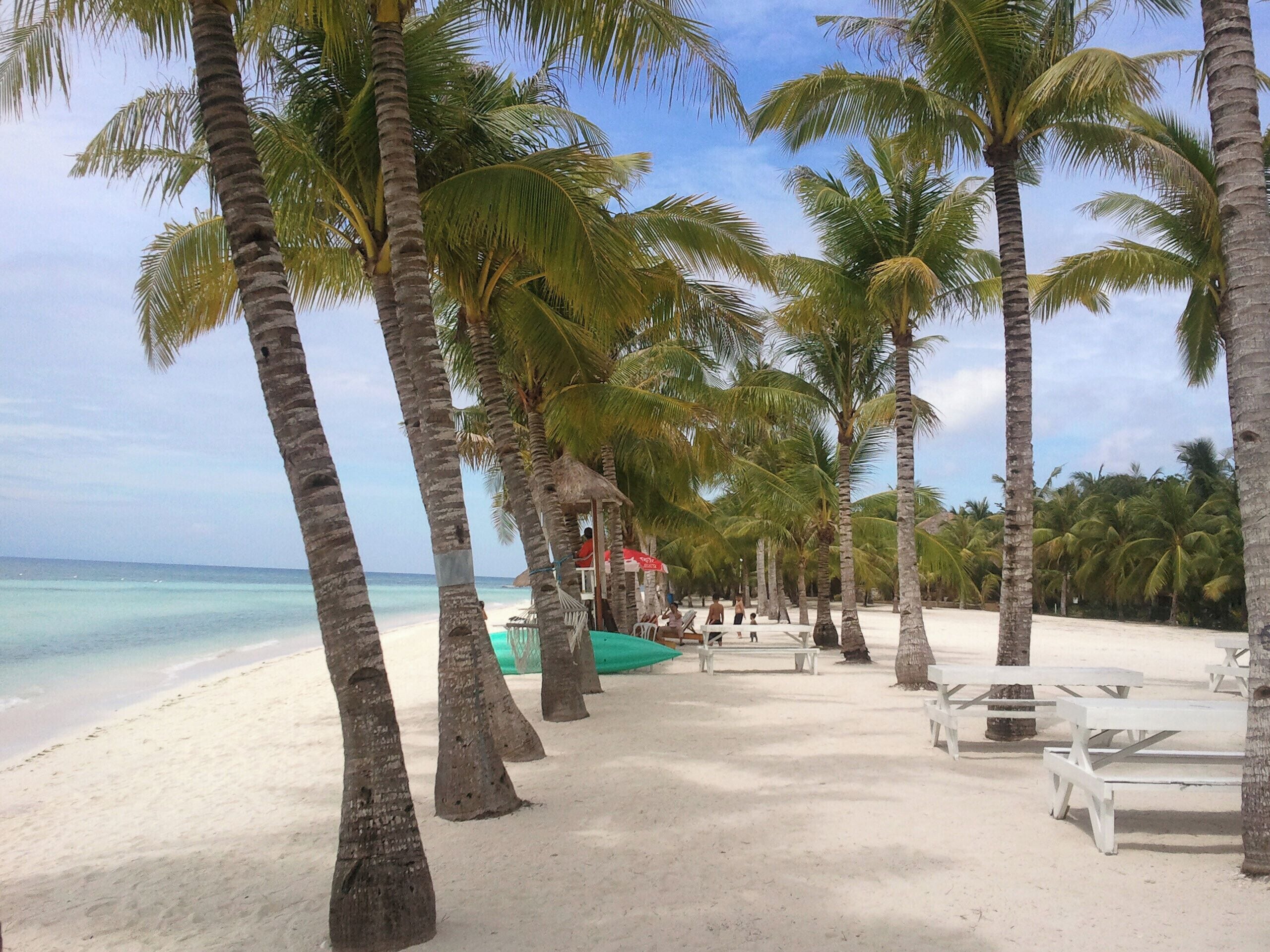
The island boasts world-class white sand beaches, particularly on the connected Panglao Island, which rival the famous shores of Boracay. Diving and snorkeling enthusiasts will be mesmerized by the vibrant coral reefs and the chance to swim alongside majestic sea turtles at Balicasag Island. Bohol's rich cultural heritage is fully preserved in its centuries-old Spanish colonial churches, such as the Baclayon Church. The local Boholanos are famous for their unmatched hospitality, ensuring that families feel safe, welcomed, and deeply cherished throughout their stay. Culinary adventurers will love the fresh seafood, organic farm-to-table dining experiences, and unique local delicacies like kalamay.
The province has heavily invested in sustainable eco-tourism, meaning your visit helps support conservation efforts for the local flora and fauna. For a 15-day family vacation, Bohol provides the perfect pacing, allowing you to alternate between thrilling outdoor excursions and relaxing beach days. The accessibility of the island, complete with a modern international airport, makes traveling with children exceptionally convenient. Furthermore, Bohol offers fantastic value for your money, meaning you can enjoy luxurious resorts and high-quality tours without breaking the bank. Ultimately, a trip to Bohol is not just a standard holiday; it is an immersive, educational, and magical experience that your family will remember for a lifetime.
When to Visit Bohol in Philippines?
Choosing the right time to visit Bohol is crucial for maximizing your family’s enjoyment during this epic 15-day vacation. The Philippines has a tropical climate, meaning the weather is generally warm and humid throughout the year, but distinct dry and wet seasons exist. The absolute best time to visit Bohol is during the dry season, which typically runs from December to May. From December to February, the weather is cooler and more comfortable, making it ideal for outdoor activities and exploring the island with young children.
If you want to witness the famous Chocolate Hills in their signature chocolate-brown color, you should plan your trip during the peak of the dry season, specifically in April or May.
March to May represents the Philippine summer, where temperatures soar, but this also means the ocean water is perfectly warm for swimming and snorkeling. The summer months are also fantastic for island-hopping tours, as the sea is usually calm and the skies are clear and sunny.
On the other hand, the wet season or typhoon season generally begins in June and lasts until November. While traveling during the rainy season can mean fewer crowds and lower prices on accommodations, there is a higher risk of tours and ferry trips being canceled due to bad weather. It is also important to consider the local holidays, as Holy Week (usually in March or April) brings a massive influx of local tourists, causing hotel prices to spike. 4
January is an excellent month for festivals, including the famous Sinulog Festival in neighboring Cebu, which many travelers combine with a Bohol trip. If you wish to avoid the peak tourist crowds but still enjoy relatively dry weather, the shoulder months of November and early December are excellent choices. No matter when you choose to visit, staying connected is essential to monitor weather updates and ferry schedules. Families should always remain flexible during their travels, especially since tropical weather can occasionally be unpredictable even during the dry season.
By timing your visit between January and May, you practically guarantee your 15-day family vacation will be filled with brilliant sunshine and unforgettable adventures.
How to Get to Bohol in Philippines?
Getting to Bohol has never been easier thanks to significant improvements in the island’s transportation infrastructure over the past decade. The most convenient way to reach Bohol is by flying directly into the Bohol-Panglao International Airport (TAG), which is located on Panglao Island. This modern, eco-friendly airport replaced the old Tagbilaran Airport and welcomes numerous domestic flights daily from Manila, which takes roughly an hour and a half. International travelers can fly directly to Bohol from select Asian cities, such as Seoul, South Korea, eliminating the need for a layover in Manila.
If you are already exploring other parts of the Philippines, another highly popular and scenic route is taking a fast craft ferry from neighboring Cebu City. The ferry ride from the Cebu City Pier to the Tagbilaran City Port takes approximately two hours, and multiple operators like OceanJet run trips throughout the day. Booking your ferry tickets in advance online is highly recommended, especially during the peak season when seats sell out incredibly fast. For families traveling with heavy luggage, paying a slight premium for business class on the ferry offers more comfortable seating and better air conditioning. Additionally, there are longer, overnight ferry options from Manila or Mindanao if you prefer slow travel, though this is less common for typical family vacations. Upon arriving at the Bohol-Panglao International Airport, you will find a fleet of official airport taxis, vans, and tricycles ready to take you to your hotel. Many upscale hotels and resorts offer complimentary or paid shuttle services, which provide the most stress-free transfer experience for families with children.
If you choose to negotiate with a private van driver at the airport, be sure to agree on the fare beforehand to avoid any misunderstandings. Connecting to a stable mobile network right after you land is vital so you can coordinate with your accommodation or book ride-hailing services. Purchasing your eSIM before you travel ensures that the moment your plane lands or your ferry docks, you are instantly connected to a local Philippine network. With multiple robust entry points, arriving in Bohol is a smooth and enjoyable start to what will surely be a fantastic 15-day family holiday.
How to Get Around Bohol in Philippines?
Navigating around Bohol is relatively straightforward, and there are multiple local transportation options suited for a 15-day family vacation. For utmost comfort and convenience, renting a private air-conditioned van with a driver is the most highly recommended option for families. A private van allows you to explore the island at your own pace, ensuring the children stay cool and relaxed between sightseeing stops. Rental agencies and hotels can easily arrange these private vans, which typically cost between 3,000 to 4,500 PHP for an eight-hour daily tour.
If you are traveling as a couple or have older teenagers, renting a scooter or motorcycle gives you ultimate freedom to discover hidden beaches and off-the-beaten-path destinations. However, driving a scooter requires an international driving permit, and you must always wear a helmet and exercise caution due to varying road conditions. For shorter distances, particularly around Panglao Island and Alona Beach, the iconic Philippine tricycle is the go-to mode of local transport. Tricycles are motorized motorbikes with an attached sidecab, and while they are incredibly cheap, you should always negotiate the fare before boarding. Another local transportation staple is the colorful jeepney, which operates on set routes across towns and is a fantastic cultural experience, though it might not be the most comfortable for long rides. For inter-town travel on a budget, public air-conditioned buses depart regularly from the Dao Integrated Bus Terminal in Tagbilaran City.
It is important to know that ride-hailing apps like Grab are currently not widely available in Bohol, so you will rely heavily on traditional taxis and private hires. When traveling between Bohol's coastal areas and neighboring islands like Balicasag or Virgin Island, motorized outrigger boats, locally known as "bangka," are utilized. Always ensure that any boat you hire for island hopping is officially registered and provides well-fitting life jackets for every family member. Having internet access is non-negotiable when getting around, as you will need to access Google Maps to navigate from place to place. Utilizing reliable local transportation allows you to seamlessly connect all the incredible locations on your itinerary without unnecessary stress.
Best local attractions, places for Bohol in Philippines?
The Chocolate Hills
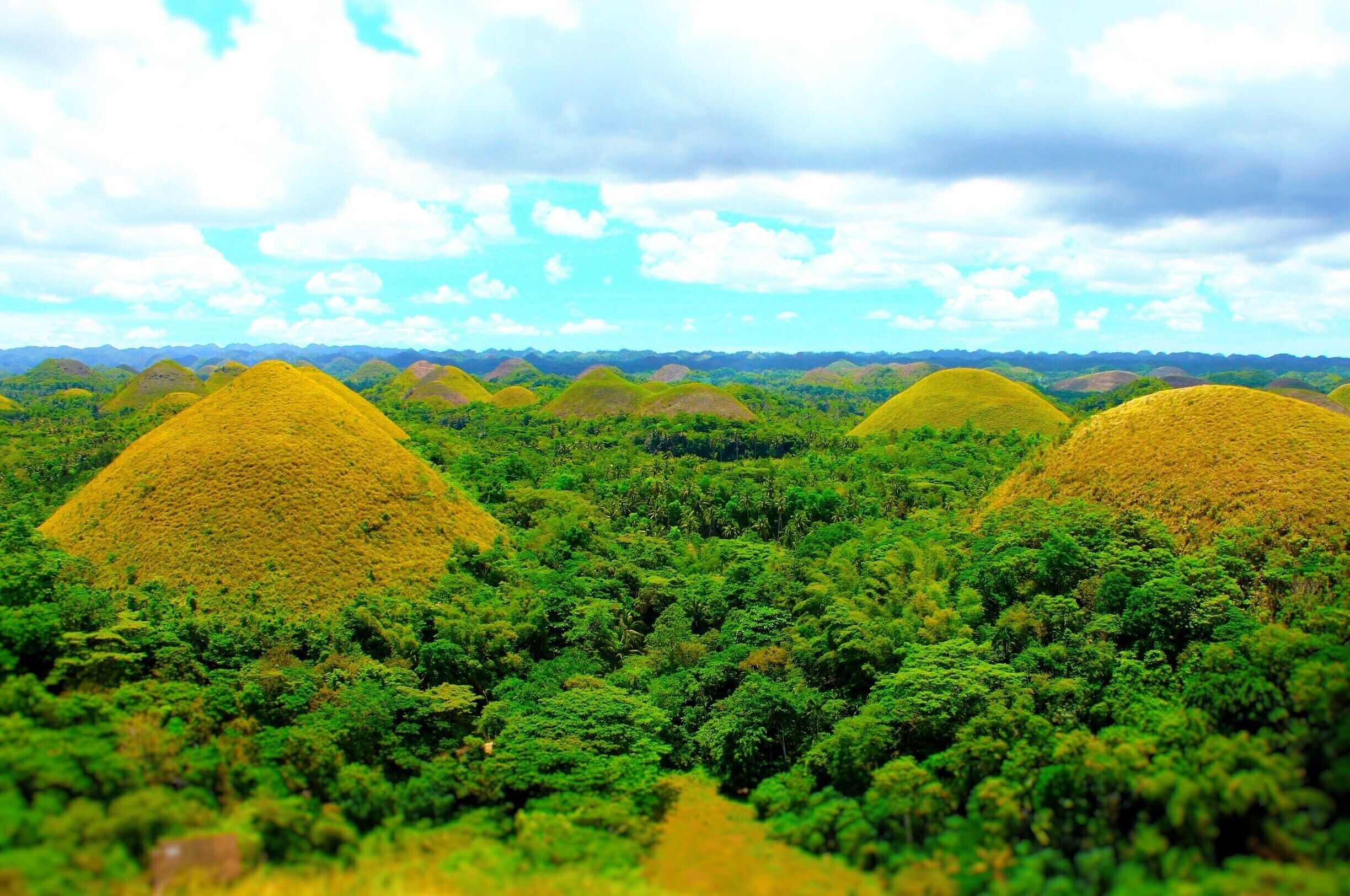
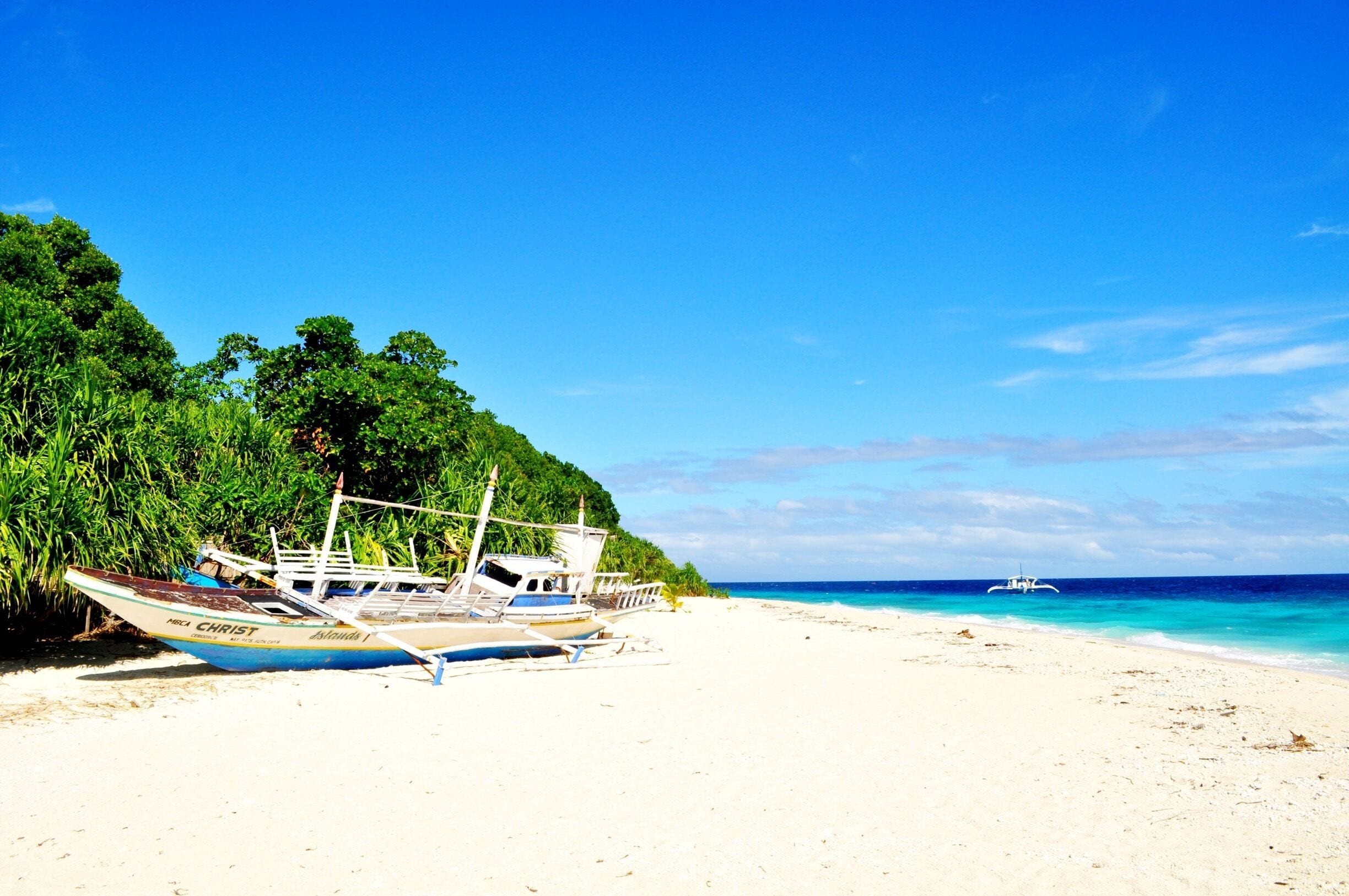
The Chocolate Hills in the town of Carmen represent Bohol's most iconic tourist destination and are an absolute must-see during your 15-day trip. These geological formations consist of over 1,200 symmetrical mounds spread over a massive area. During the dry season, the grass covering the hills turns a distinct cocoa brown, giving them the appearance of giant chocolate kisses. Families can view this breathtaking landscape from the main observation deck at the Chocolate Hills Complex. The climb up the stairs to the viewing deck is manageable for children, and the panoramic views at the top are completely spectacular.
The Philippine Tarsier Sanctuary
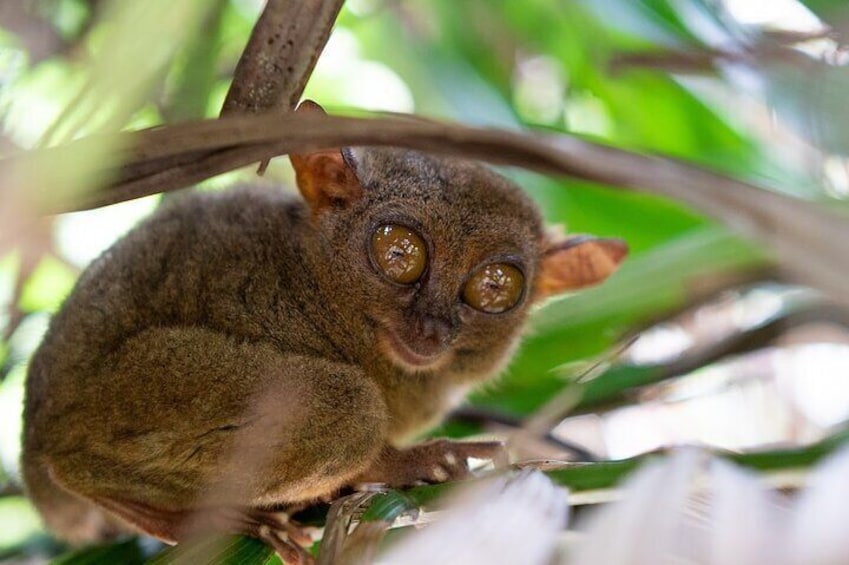

The Philippine Tarsier Sanctuary in Corella is another quintessential Bohol attraction that promises to delight visitors of all ages. Here, you can observe the fascinating tarsiers, which are incredibly tiny primates famous for their massive, saucer-like eyes. It is vital to visit an official sanctuary rather than roadside displays to ensure the ethical treatment and conservation of these sensitive creatures. Guides will quietly lead your family through the forest, pointing out the tarsiers clinging to branches as they sleep during the day. Visitors are reminded to maintain complete silence and turn off camera flashes, as tarsiers get easily stressed by loud noises and bright lights.
Loboc River
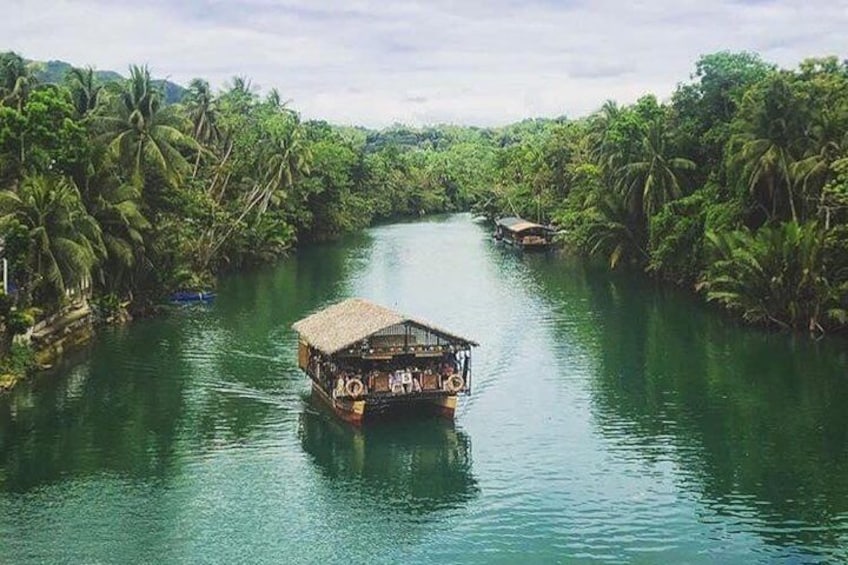

A relaxing journey down the Loboc River aboard a floating restaurant is a signature Bohol experience that combines sightseeing with cultural immersion. As you slowly cruise down the jade-green river surrounded by dense tropical palm trees, you are treated to a massive buffet of delicious Filipino food. Local musicians onboard serenade guests with live music, adding a festive and joyful atmosphere to the cruise. At certain points, the boat stops at floating pavilions where local communities perform traditional dances, such as the famous tinikling bamboo dance. This serene, one-hour river cruise offers a perfect midday break for families, allowing you to rest your feet while continuing to soak in the island's beauty.
Alona Beach


Alona Beach on Panglao Island is the bustling epicenter of Bohol’s beach and nightlife scene, perfect for families who want to be close to the action. This one-and-a-half-kilometer stretch of white sand is lined with luxury resorts, dive shops, lively bars, and excellent seafood restaurants. While it can get quite busy, the ocean here is crystal clear and generally calm, making it a safe place for children to swim and play. During the evening, the beachfront transforms as restaurants set up tables right on the sand, offering freshly grilled seafood under the stars. Alona Beach also serves as the primary jumping-off point for most island-hopping and scuba diving excursions in the region.
Balicasag Island Marine Sanctuary


For an unforgettable underwater adventure, a boat trip to Balicasag Island Marine Sanctuary is highly recommended for families who love the ocean. This protected marine sanctuary boasts some of the absolute best snorkeling and diving spots in the entire Philippines. Snorkelers are almost guaranteed to encounter vibrant coral gardens teeming with colorful tropical fish just a few meters from the shore. The highlight of Balicasag is the opportunity to swim alongside large, majestic sea turtles in their natural habitat. Even young children with life jackets and snorkeling gear can safely participate in this magical wildlife encounter, making it a major highlight of your 15-day trip.
Hinagdanan Cave


Hinagdanan Cave in the municipality of Dauis offers families a quick but thrilling underground adventure away from the extreme midday sun. This naturally lighted limestone cavern features an array of impressive stalactite and stalagmite rock formations. At the center of the cave lies a stunning, deep underground lagoon filled with cool, brackish water. For a small fee, visitors are permitted to swim in the cavern pool, providing a remarkably refreshing escape from the tropical heat. The descent into the cave is relatively short, making it an easy and accessible geological exploration for children and adults alike.
How NOT to Get Scammed in Bohol in Philippines?
While Bohol is generally a very safe and welcoming destination, knowing how to avoid common tourist traps and scams is vital for a stress-free family vacation. The most common issue tourists face is overcharging by local tricycle drivers, especially around busy areas like the airport or Alona Beach. To prevent this, you should always firmly agree on the exact fare before getting into any tricycle, and ask your hotel staff what the standard rates are. Another frequent scam involves unofficial tour guides or "fixers" who approach you at ports or beaches offering incredibly cheap island-hopping tours.
These unauthorized operators often provide substandard, unsafe boats without proper life jackets, putting your family at significant risk. Always book your tours, ferry tickets, and transportation through reputable agencies, your hotel's front desk, or highly-rated online platforms. When renting a scooter or motorcycle, meticulously inspect the vehicle for existing scratches or damage and take photos before driving away. This protects you from unscrupulous rental owners who might try to charge you for damage you did not cause when you return the bike. Be cautious of vendors selling souvenirs, pearls, or jewelry on the beaches; the "genuine pearls" they push are often cheap plastic imitations. When dining at seafood restaurants where the catch of the day is displayed, always confirm the price per 100 grams before they cook it. Some restaurants might aggressively push a large fish and then hand you a shocking bill because the price was never clearly established.
Changing currency is another area where tourists can lose money; avoid changing large amounts of cash with unauthorized individuals on the street. Stick to official banks, reputable currency exchange booths, or ATM machines to ensure you receive the correct exchange rate without counterfeit bills. Furthermore, be wary of people asking for "donations" for fake charities or local orphanages; direct your generosity to recognized, official organizations. By remaining vigilant, maintaining healthy skepticism, and relying on trusted providers, your 15-day Bohol vacation will remain entirely scam-free.
Is it Safe in Bohol in Philippines?
Safety is always the top priority for families traveling with children, and fortunately, Bohol is widely considered one of the safest provinces in the Philippines. Violent crime targeting tourists is exceedingly rare, and the local Boholanos are genuinely kind, peaceful, and fiercely protective of their tourism industry. The island maintains a highly visible tourist police presence, particularly in major hubs like Tagbilaran City and the bustling strips of Panglao Island.
However, as with any major tourist destination around the world, petty crimes such as pickpocketing or bag snatching can occasionally occur in crowded areas. You should always practice common sense by securing your valuables, not flashing large amounts of cash, and never leaving bags unattended on the beach. The real safety concerns in Bohol are usually related to nature, health, and adventurous activities rather than crime. Since Bohol has a tropical climate, protecting your family from intense sun exposure and severe dehydration is absolutely critical during outdoor excursions. Mosquito-borne illnesses like Dengue fever do exist in the Philippines, so applying an effective insect repellent day and night is highly advised.
Tap water in Bohol is generally not safe for drinking, so you must always consume bottled or purified water, even when brushing your teeth. When participating in water activities, always ensure that life vests are provided, as ocean currents around the islands can sometimes be deceptively strong. The roads in Bohol can be poorly lit at night and occasionally feature wandering livestock, so avoid driving a rented scooter after dark. During the wet season, keep an eye on weather reports for potential typhoons, which can bring heavy rains and disrupt ferry and flight schedules. Knowing the location of the nearest reputable medical facility, such as the Ramiro Community Hospital in Tagbilaran, provides peace of mind in case of emergencies.
Having a reliable internet connection through your eSIM ensures you can quickly contact authorities, access maps, or call your hotel if you ever feel unsafe. Overall, by taking basic precautions and respecting local conditions, families will find Bohol to be an incredibly secure and relaxing paradise.
What to Pack for Bohol in Philippines?
Packing smartly for a 15-day family vacation in Bohol requires a focus on tropical comfort, sun protection, and versatile outdoor gear. Due to the hot and humid climate, lightweight, breathable clothing made from cotton or linen should make up the bulk of your wardrobe. You will need plenty of swimwear, as you will likely spend multiple days hopping between resort pools, waterfalls, and pristine beaches. A high-quality reef-safe sunscreen is an absolute must to protect your family's skin from the intense tropical sun without damaging the fragile coral reefs. Do not forget to pack wide-brimmed hats,
UV-protection sunglasses, and lightweight rash guards to provide extra defense against sunburn during long island-hopping tours. Footwear is incredibly important; bring comfortable walking shoes for exploring the Chocolate Hills, as well as sturdy water shoes for rocky beaches and cave pools. A reliable insect repellent containing DEET or Picaridin is essential to ward off mosquitoes, especially if you venture into forested areas or rivers. Since you will be on the water frequently, a high-quality waterproof dry bag is vital to protect your smartphones, cameras, and extra cash. Bring a compact travel first-aid kit stocked with bandages, antiseptic wipes, motion sickness pills for ferry rides, and basic stomach medication.
A universal power adapter is highly recommended, as the Philippines generally uses Type A, B, and C outlets with a 220V voltage. Because sudden tropical downpours can happen even in the dry season, tossing a couple of lightweight, packable rain ponchos into your daypack is a smart move. If you plan to visit the historic churches like Baclayon, remember to pack at least one modest outfit that covers your shoulders and knees. While large resorts provide beach towels, having a quick-drying microfiber towel is extremely handy for spontaneous waterfall swims or boat trips.
Bringing an unlocked smartphone is critical so you can easily utilize your purchased eSIM for instant data access upon arrival. Finally, leave some extra room in your luggage because you will definitely want to bring home local souvenirs, like peanut kisses and woven handicrafts.
Daily Budget for Bohol in Philippines
Establishing a clear daily budget is crucial for managing a 15-day family vacation in Bohol, though the island comfortably accommodates various financial preferences. For a budget-conscious family, you can expect to spend approximately $50 to $80 USD per day per person.
This tier involves staying in comfortable guesthouses, eating at local eateries called "carinderias," and utilizing public tricycles for transportation. A mid-range budget, which is ideal for most families seeking a balance of comfort and value, will range from $100 to $180 USD per day per person. At this mid-range level, your family can enjoy stays at lovely 3- or 4-star beachfront resorts, dine at highly-rated restaurants, and book private van tours.
For those seeking a truly luxurious experience, budget upwards of $250 to $400 USD per day per person. Luxury travelers will stay in stunning 5-star properties like Henann Resort or Amorita Resort, indulge in fine dining, and charter private boats for exclusive island hopping. Accommodation will take up the largest portion of your budget, with family rooms in mid-range hotels costing around $80 to $150 USD per night.
Food in Bohol is remarkably affordable; a hearty meal at a local restaurant might cost $5 USD, while international cuisine at a beach resort runs closer to $15 to $25 USD. Transportation costs vary; renting a private van for a full-day countryside tour usually costs between $60 to $80 USD total for the entire vehicle.
Attraction fees are generally very low; for instance, the entrance fee to the Chocolate Hills or the Tarsier Sanctuary is roughly $1 to $2 USD per person. Island-hopping tours on a private boat typically cost between $40 to $60 USD, not including environmental fees or snorkeling gear rentals. It is crucial to carry a sufficient amount of Philippine Pesos (PHP) in cash, as many small vendors, tricycle drivers, and rural attractions do not accept credit cards.
ATMs are widely available in Tagbilaran City and Panglao, but they occasionally run out of cash during long weekends, so withdraw enough in advance. By carefully planning your daily expenditures, your family can experience the absolute best of Bohol over 15 days without any unexpected financial stress.
Local Events of the Whole Year in Bohol
Immersing your family in Bohol's vibrant cultural calendar is a fantastic way to elevate your 15-day vacation into an unforgettable heritage experience. Throughout the entire year, the province of Bohol celebrates an incredible array of festivals, locally known as "fiestas," characterized by massive feasts, colorful parades, and street dancing.
In January, the province kicks off the year with the Ubi Festival, which honors the purple yam, a deeply cherished agricultural staple in Boholano culture.
February highlights the famous Chocolate Hills Festival, drawing locals and tourists alike to celebrate the island's most iconic geological and natural wonder.
As March arrives, various coastal towns celebrate the Coconut Festival, showcasing the incredible versatility of the coconut tree through food, crafts, and music.
April features the Calamay Festival in the town of Jagna, where locals celebrate their famous sticky, sweet delicacy made from coconut milk and brown sugar.
May is famously known as the "Fiesta Month" in Bohol, where nearly every single day, a different town or barangay celebrates its patron saint with an open-house feast. The most significant event in May is the Saulog Festival in Tagbilaran City, held on May 1st to honor St. Joseph the Worker.
In June, the municipality of Catigbian hosts the Katigbawan Festival, a lively week-long event featuring carabao racing, agricultural fairs, and a beauty pageant.
July brings the grandest celebration of them all: the month-long Sandugo Festival, which commemorates the historic 1565 blood compact between Spanish explorer Legazpi and local chieftain Datu Sikatuna. The Sandugo Festival peaks with an incredibly vibrant street dancing competition, where performers in brilliant historical costumes dance to the thunderous beat of drums.
August sees the Dauis Town Fiesta and the Hudyaka sa Panglao, bringing immense joy, competitive dancing, and massive feasts to the island of Panglao.
September is dedicated to nature with the Tarsier Conservation Festival in Corella, promoting environmental awareness and protection for Bohol's beloved endemic primates.
In October and November, various harvest festivals take place, emphasizing the profound agricultural roots of the local Boholano communities.
December rounds out the year with joyous Christmas celebrations and the Sambat Mascara y Regatta Festival in Loay, ensuring there is a spectacular local event happening no matter when you visit.
eSIM in the Philippines: Why Data is Needed
Staying seamlessly connected to a reliable internet network is absolutely paramount for a smooth and stress-free 15-day family vacation in Bohol. While many hotels and resorts in Bohol offer free Wi-Fi, the connection speeds can be surprisingly slow and incredibly unreliable, particularly during peak usage hours.
Having constant mobile data allows you to effortlessly use essential navigation apps like Google Maps to find your way between hidden waterfalls and secluded beaches. Data is absolutely required to communicate with local tour operators, private van drivers, and hotel staff via popular messaging apps like WhatsApp or Viber.
In a post-pandemic travel landscape, many menus, ticketing systems, and travel declaration forms are purely digital and require scanning QR codes on the spot. Furthermore, if a medical emergency arises or if you get separated from a family member, having an active data connection ensures immediate communication. Parents will also appreciate having data to stream entertainment or educational videos to keep young children occupied during long ferry rides or transit delays.
The most efficient, cost-effective, and modern way to secure mobile data in the Philippines is by purchasing an eSIM before you even board your flight. An eSIM eliminates the frustrating hassle of hunting down a physical SIM card vendor at the chaotic airport after a long and exhausting journey.
By using an eSIM, you do not have to remove your home country's physical SIM card, meaning you can still receive important two-factor authentication texts from your bank. Activation is as simple as scanning a digital QR code sent to your email, instantly connecting you to major Philippine networks like Globe or Smart. To guarantee the best coverage across Bohol's varying terrain, you absolutely must provide links to buy eSIM for Philippines through a trusted provider.
The top recommendation for reliable and fast mobile data is purchasing your plan directly from eSIMlii, which specializes in travel connectivity. You can easily browse affordable data packages tailored for your specific travel dates by visiting their official portal. Do not travel without staying connected; purchase your reliable Philippines eSIM right now.
Best Hotels, Attractions, and Restaurants in Bohol (with Booking Links and Reviews)
Choosing the perfect accommodation and dining spots will elevate your 15-day family vacation in Bohol from great to absolutely extraordinary.
For the ultimate beachfront luxury, the Henann Resort Alona Beach is unparalleled, offering multiple massive swimming pools and a world-class breakfast buffet. A highly satisfied guest named Josefina left an exceptional review stating, "Room is spacious and stay was comfortable plus staffs were courteous and helpful." You can secure your family's luxurious stay at Henann Resort by visiting booking platforms like
If you prefer a more serene and private beachfront experience away from the massive crowds, the Bohol Beach Club is a phenomenal choice. An exceptional review from guest Scott notes: "The resort was clean, the pool area clean and well laid out... The beach was clean and well groomed." Families looking to book the peaceful Bohol Beach Club can easily find their preferred dates and rates on
For dining, Giuseppe Pizzeria & Sicilian Roast in Panglao is widely considered the absolute best Italian restaurant in Bohol, serving authentic wood-fired pizzas. Reviewers consistently praise Giuseppe for its incredible ambiance and the exceptional quality of its pasta, making it a perfect spot for a family dinner.
Another must-visit culinary destination is the Bohol Bee Farm, which offers organic, farm-to-table Filipino dishes accompanied by breathtaking cliffside ocean views. Visitors rave about the Bee Farm's unique malunggay (moringa) ice cream, which is a surprisingly delicious and healthy treat that children will absolutely love.
For outstanding local cuisine with a modern twist, Sisa Bistro in Panglao is highly recommended by food critics and traveling families alike. To organize your local attractions, you can securely book island-hopping tours to Balicasag or the Chocolate Hills through trusted sites like
By combining stays at highly-rated properties like Henann and eating at acclaimed restaurants like Giuseppe's, your family is guaranteed a five-star Bohol experience.
Navigating Bohol: Maps and Routes Going from Places to Places
Understanding the geographical layout of Bohol is essential for optimizing your 15-day family itinerary and minimizing long transit times. Bohol is actually comprised of one large main island and numerous smaller surrounding islands, with Panglao Island being the most famous tourist hub.
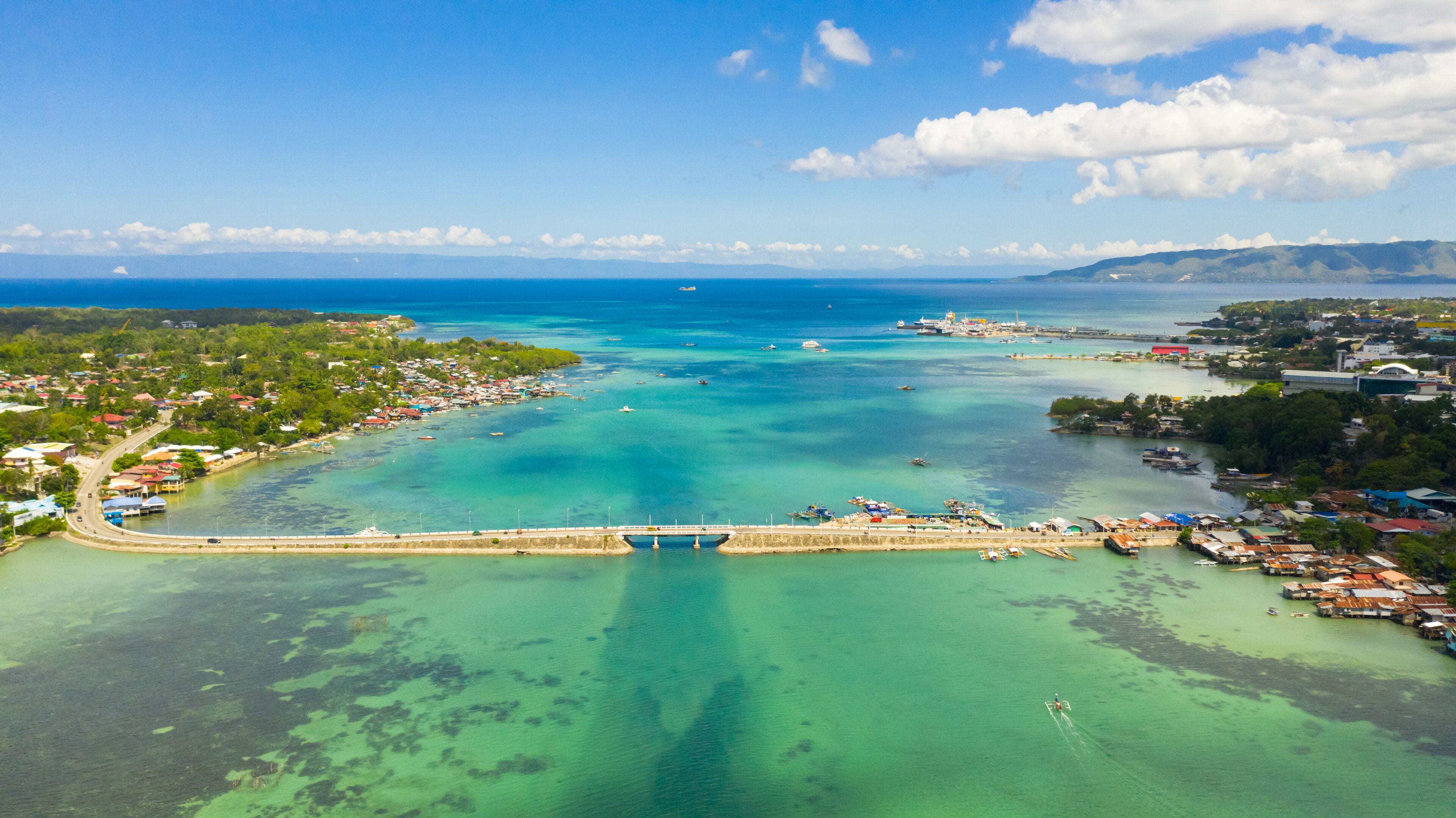
Panglao Island is connected to the main island of Bohol by two primary bridges, making transit between the airport and the mainland incredibly seamless. If you are mapping a route from the Bohol-Panglao International Airport to Alona Beach, the drive is a very short and straightforward 10-minute journey south.
To travel from Alona Beach to the famous Chocolate Hills in Carmen, your map will take you northward into the very heart of the main island. This scenic route from Panglao to Carmen covers approximately 70 kilometers and generally takes about one and a half to two hours by private van.
Along this northbound route, a smart map itinerary will have you stop at the Philippine Tarsier Sanctuary in Corella, which is perfectly situated along the way. After visiting the tarsiers, your map route will naturally lead you toward the town of Loboc, located right in the center of the southern mainland.
Loboc is precisely where you will board the famous floating restaurants, perfectly breaking up the journey before continuing north to the Chocolate Hills. If your family is heading to the pristine, quiet beaches of Anda from Tagbilaran City, you will be mapping a coastal drive heading far east.
The drive from Tagbilaran City to Anda takes roughly two and a half hours, following the picturesque southern coastline of the Bohol mainland. When planning island-hopping from Panglao, your maritime map will point southwest toward Balicasag Island, which is only a 30-minute motorized boat ride away.
Further along the maritime route lies Virgin Island, a spectacular sandbar that is usually the second stop on standard island-hopping maps. Utilizing offline maps on your smartphone is highly recommended, as cellular service can occasionally drop when traveling deep into the mountainous interior regions. With a well-planned map and logical routing, your family can comfortably conquer every corner of Bohol over the course of your expansive 15-day vacation.
Frequently Asked Questions (FAQ)
1. Is Bohol open for international tourists? Yes, Bohol is fully open and welcomes international tourists with minimal travel restrictions, though checking current visa requirements is always advised.
2. How many days do I need in Bohol? While some people visit for a weekend, a comprehensive 15-day family vacation allows you to fully explore the island without rushing.
3. What is the primary language spoken in Bohol? The local dialect is Boholano (closely related to Cebuano), but English is widely spoken and understood everywhere, making communication incredibly easy for tourists.
4. Are there ATMs on the island? Yes, ATMs are widely available in Tagbilaran City and Panglao Island, but it is highly recommended to carry cash for smaller towns.
5. Is the water safe to drink? No, tap water is not safe for drinking; always stick to bottled water or purified water provided by your hotel or restaurant.
6. What is the best way to travel from Cebu to Bohol? The fastest and most popular method is taking a two-hour fast craft ferry, such as OceanJet, from Cebu City Pier to Tagbilaran Port.
7. Do I need a visa to visit the Philippines? Citizens of many countries, including the US, UK, Canada, and Australia, can enter the Philippines visa-free for up to 30 days.
8. What plugs are used in Bohol? The Philippines uses standard US-style Type A and Type B plugs with a 220V voltage, so a universal adapter is necessary for European devices.
9. Can I fly a drone in Bohol? Yes, you can fly drones in most areas, but you must respect no-fly zones around the airport and ask permission before flying over private resorts.
10. What is the best souvenir to buy? "Peanut Kisses" are the iconic Boholano treat shaped like the Chocolate Hills, making them the perfect, delicious souvenir to bring back home.
Why This Will Be The Best 15-Day Vacation
Embarking on a 15-day family vacation to Bohol, Philippines, is a monumental decision that guarantees an absolutely life-changing and joyous travel experience. This meticulously crafted travel guide proves that Bohol possesses an incredibly rare balance of heart-pounding adventure, deep cultural heritage, and pristine tropical relaxation.
The island’s unique natural wonders, such as the majestic Chocolate Hills and the enchanting Philippine tarsiers, offer educational and magical encounters that children will never forget. Spending 15 days allows your family the ultimate luxury of time, meaning you never have to rush through experiences or feel exhausted from constant transit. You will have ample days to lazily lounge by the turquoise waters of Alona Beach, building sandcastles and soaking up the magnificent island sun.
The incredibly warm and welcoming nature of the Boholano people will make your family feel like honored guests rather than mere passing tourists. Navigating the island is exceptionally safe and convenient, ensuring that parents can actually relax instead of constantly worrying about logistics and security. The culinary journey alone, from fresh seafood feasts by the beach to authentic Italian pizzas at Giuseppe's, will be a highlight of your holiday.
Participating in local events, like the vibrant Sandugo Festival, will immerse your family in a rich tapestry of history, music, and profound community spirit. By following our advice on how to avoid scams and what to pack, you are entirely shielded from common travel pitfalls and frustrations. Staying continuously connected with your reliable Philippines eSIM guarantees that capturing memories, navigating routes, and staying in touch is completely effortless.
Staying in highly-reviewed, world-class accommodations like Henann Resort or Bohol Beach Club provides the perfect sanctuary to rest after long days of exploration. This prolonged 15-day escape from your daily routine provides the perfect environment for your family to reconnect, laugh, and bond deeply with one another. When you finally pack your bags to leave, you will depart not just with souvenirs, but with priceless memories of an authentic tropical paradise. Without a doubt, choosing Bohol for your 15-day family getaway will go down in your family history as the absolute best vacation you have ever taken.
Stay Connected in Bohol, Philippines With eSIMlii
Planning your Bohol adventure? Choose an