The Ultimate 10-Day Family Travel Guide to Provence, France | Itinerary, Budget & Tips


Why Visit Provence in France?
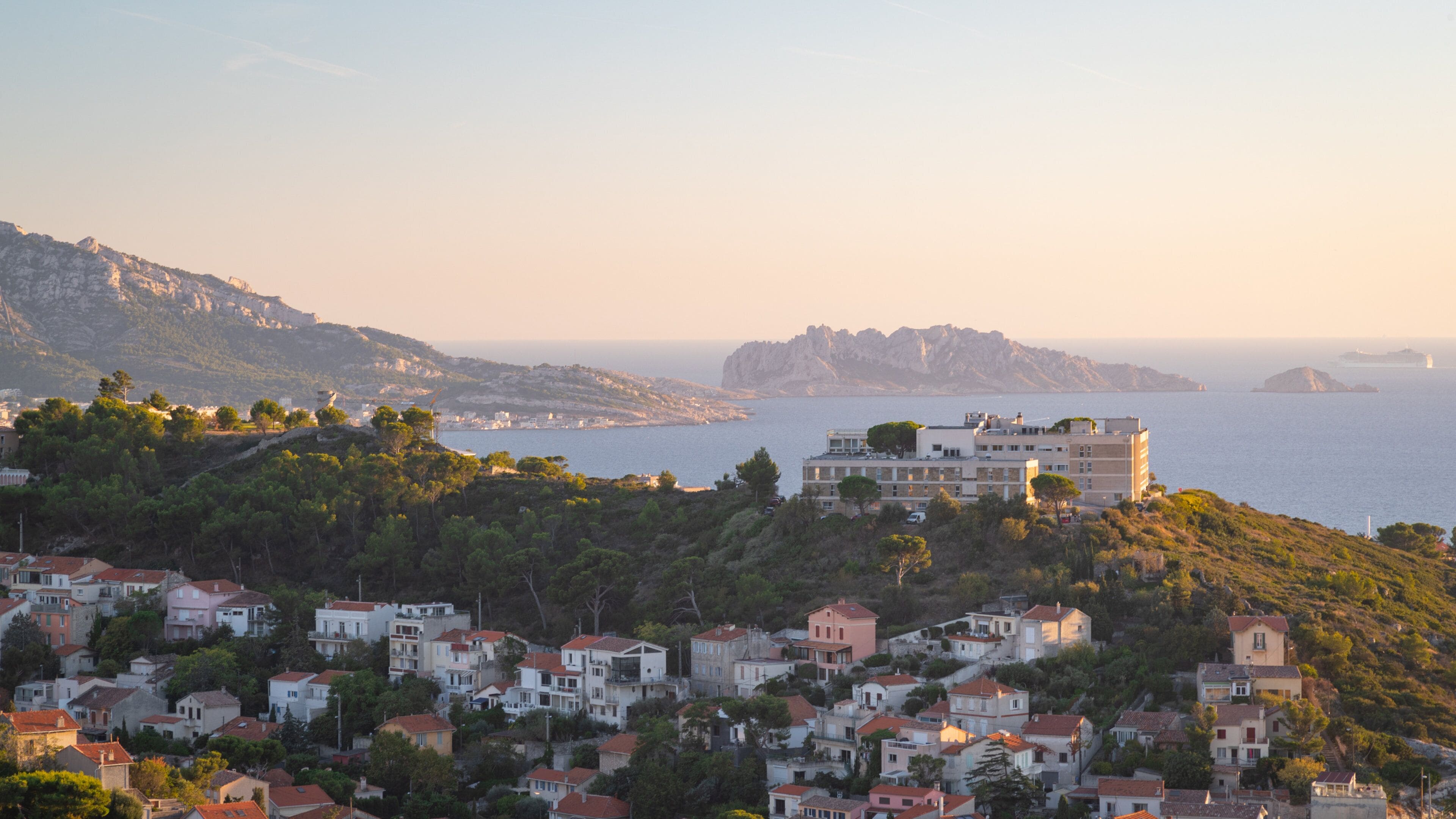
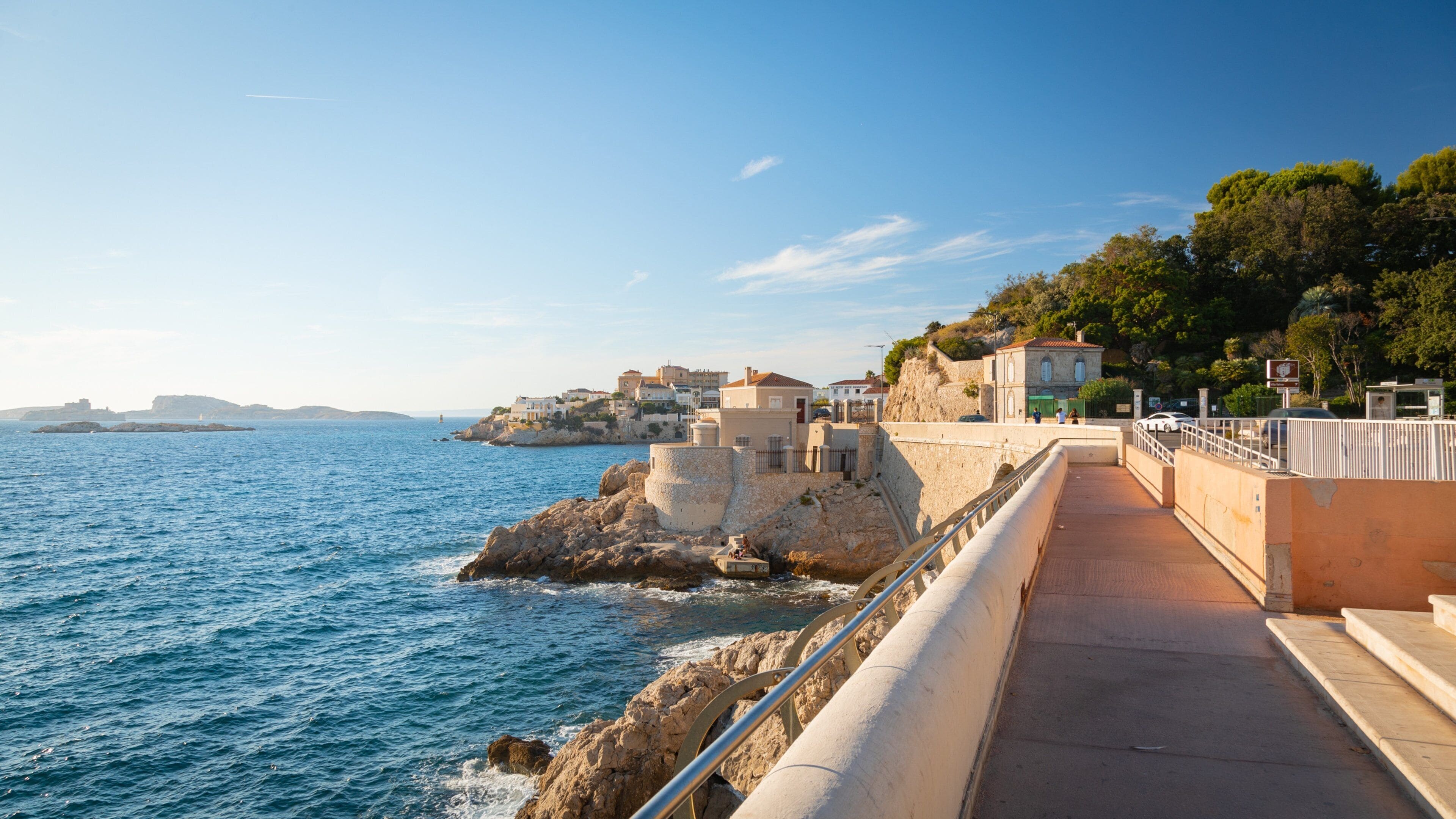
Provence is a magical destination that effortlessly combines rich history, stunning natural landscapes, and a deeply relaxing lifestyle that is perfect for families. The region offers an incredible array of sensory experiences, from the scent of blooming lavender fields to the taste of freshly baked croissants in a village square.
For families, Provence provides an outdoor playground where children can run freely through ancient Roman ruins and medieval castles. It is a place where art comes to life, allowing you to walk in the very footsteps of legendary painters like Vincent Van Gogh and Paul Cézanne. The Mediterranean climate guarantees glorious sunshine for most of the year, making outdoor activities a joy rather than a chore. Food lovers will rejoice at the bustling local markets, where you can sample fresh cheeses, olives, and seasonal fruits directly from the farmers.
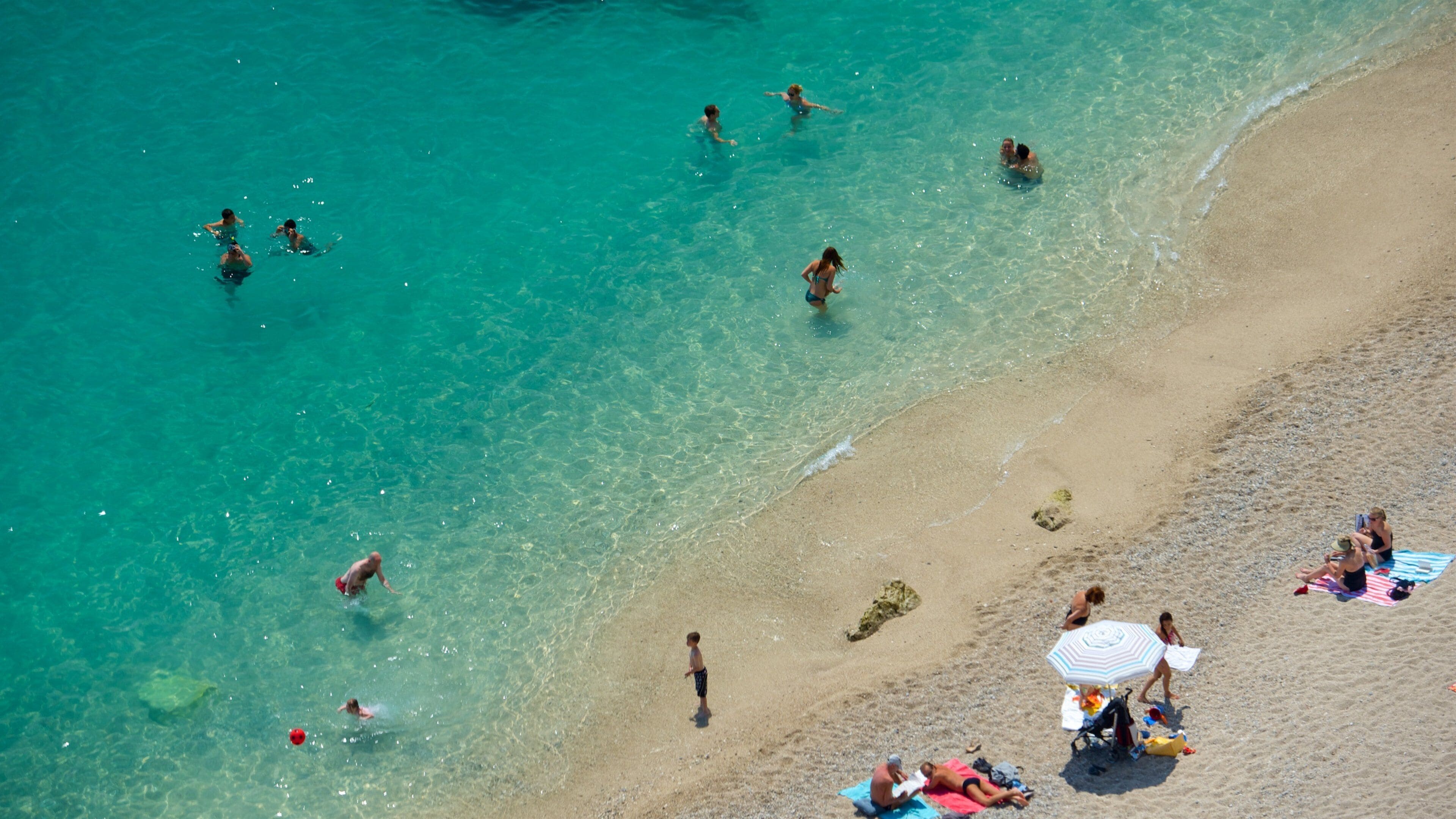
The pacing of life here is intentionally slow, encouraging families to disconnect from their busy modern lives and truly connect with one another. Exploring the charming hilltop villages of the Luberon feels like stepping right into a fairy tale. Nature enthusiasts are utterly spoiled by the diverse geography, which ranges from the dramatic cliffs of the Verdon Gorge to the gentle, rolling vineyards of the countryside. Along the coast, the stunning Calanques offer crystal-clear waters for swimming and kayaking with older children. Furthermore, the region is highly accommodating to tourists, with an abundance of family-friendly farm stays, gîtes (holiday homes), and luxury resorts.
The local culture places a heavy emphasis on family, meaning children are welcomed warmly in restaurants and public spaces. Educational opportunities are everywhere, allowing kids to learn about Roman history at the Pont du Gard or medieval architecture at the Palais des Papes. Ultimately, visiting Provence allows families to create unforgettable memories in one of the most picturesque regions on Earth. It is a culturally enriching, visually stunning, and soul-soothing destination that has something to captivate every single member of the family.
When to Visit Provence in France?
Choosing the right time to visit Provence can significantly impact the quality of your family vacation, as each season offers a completely different experience. Spring, which spans from March to May, is arguably one of the most beautiful times to arrive in southern France. During this period, the countryside bursts into vibrant color with wild poppies and blossoming almond trees, while the temperatures remain perfectly mild for extensive sightseeing.
Summer, running from June to August, is the absolute peak tourist season and for a very good reason. This is the only time you can witness the iconic, endless rows of blooming purple lavender that make Provence world-famous. However, summer also brings intense heat, which can sometimes be draining for young children, and heavily crowded attractions. If you choose to travel in the summer, you must book your accommodations and rental cars many months in advance to secure good rates. Autumn, taking place in September and October, offers a fantastic compromise for families who want pleasant weather without the overwhelming crowds. The grape harvest occurs during the autumn months, transforming the vineyards into a spectacular sea of red, orange, and gold leaves.
The Mediterranean Sea usually remains warm enough for swimming well into late September. Winter, from November to February, is incredibly quiet and peaceful, though the famous Mistral wind can make the air feel bitterly cold. While you won't see lavender in winter, you can experience authentic, crowd-free village life and magical Christmas markets in towns like Aix-en-Provence. Many restaurants and smaller hotels in rural areas do close down during the low winter season, requiring more careful planning.
For a 10-day family vacation, late May, June, or September are generally considered the absolute sweet spots. During these months, the weather is beautifully warm but not oppressive, allowing for full days of outdoor exploration. Ultimately, the best time to visit depends entirely on whether your priority is seeing the lavender, enjoying the beaches, or exploring historical sites in cool comfort.
How to Get to Provence in France?
Reaching the beautiful region of Provence is a straightforward process thanks to excellent international and domestic transport links. For families flying internationally, the most convenient entry point is usually Marseille Provence Airport (MRS), which handles numerous flights from across Europe and connecting flights from North America.
Alternatively, you can fly into Nice Côte d'Azur Airport (NCE), which is ideal if you plan to start your journey on the French Riviera before heading inland. If you are already exploring other parts of Europe, France's phenomenal high-speed train network, the TGV, is incredibly efficient. Taking the TGV from Paris directly to Avignon or Aix-en-Provence takes just under three hours and is a wonderfully scenic and relaxing experience for children.
Train travel eliminates the stress of navigating airport security with a family and drops you right into the heart of the region. For those traveling from neighboring countries like Italy or Spain, driving into Provence is a fantastic option that provides immediate mobility. The French autoroute system is exceptionally well-maintained, though you must be prepared to pay frequent and sometimes costly toll fees. When booking flights, try to schedule your arrival for mid-day so that your family has plenty of time to collect luggage, pick up a rental car, and check into your accommodation before dark.
If you are traveling with very young children, consider booking a private airport transfer in advance to minimize stress upon arrival. Many major rental car companies operate directly out of the Marseille and Nice airports, as well as the TGV train stations. It is highly recommended to book your tickets and transport well in advance, particularly if you are traveling during the busy summer months. Navigating French train stations with heavy luggage can be challenging, so packing light is a great strategy for families relying on public transit. Regardless of how you choose to arrive, the journey into Provence is the exciting first step into a world of incredible beauty. Make sure to have your travel documents, passports, and booking confirmations easily accessible during your transit.
How to Get Around Provence in France? (Local Transportation)
To truly experience the hidden gems and sprawling countryside of Provence, renting a car is absolutely the most practical choice for a family. While major cities are well-connected by train, the region's famous hilltop villages and lavender fields are largely inaccessible without your own vehicle.
Having a car provides the flexibility to follow your own schedule, stop for impromptu picnics, and easily transport your family's luggage and daily supplies. When renting a car, be aware that manual transmission vehicles are the standard in Europe; you must specifically request and book an automatic well in advance if you cannot drive stick shift. Be prepared for narrow, winding roads in rural areas, which require careful and confident driving. For traveling between major hubs like Avignon, Aix-en-Provence, and Marseille, the regional TER train network is highly reliable and affordable.
The regional bus network, known as ZOU!, is another budget-friendly option for getting between towns, though schedules can be infrequent on weekends and public holidays. Inside the historic centers of most Provençal villages, driving is either restricted or entirely prohibited, meaning you will need to park on the outskirts and explore on foot. Walking is undoubtedly the best way to soak in the atmosphere of these medieval towns, so bringing comfortable strollers for toddlers is essential. For active families, renting bicycles for a day is a wonderful way to explore the relatively flat areas of the Luberon or the vineyard-covered countryside.
Ride-sharing apps like Uber operate in larger cities like Marseille and Aix-en-Provence, but they are practically non-existent in the deep countryside. Traditional taxis are available but can be quite expensive, and they usually need to be booked by phone in advance rather than hailed on the street. Always ensure your phone has maps downloaded for offline use, as cell service can occasionally drop out in the remote valleys and mountains. Navigating the roundabouts and toll booths (péages) takes a little getting used to, but it quickly becomes second nature. By combining a rental car for rural exploration with walking for village tours, your family will master local transportation in no time.
Best Local Attractions and Places for Provence in France.
Palais des Papes (Avignon)
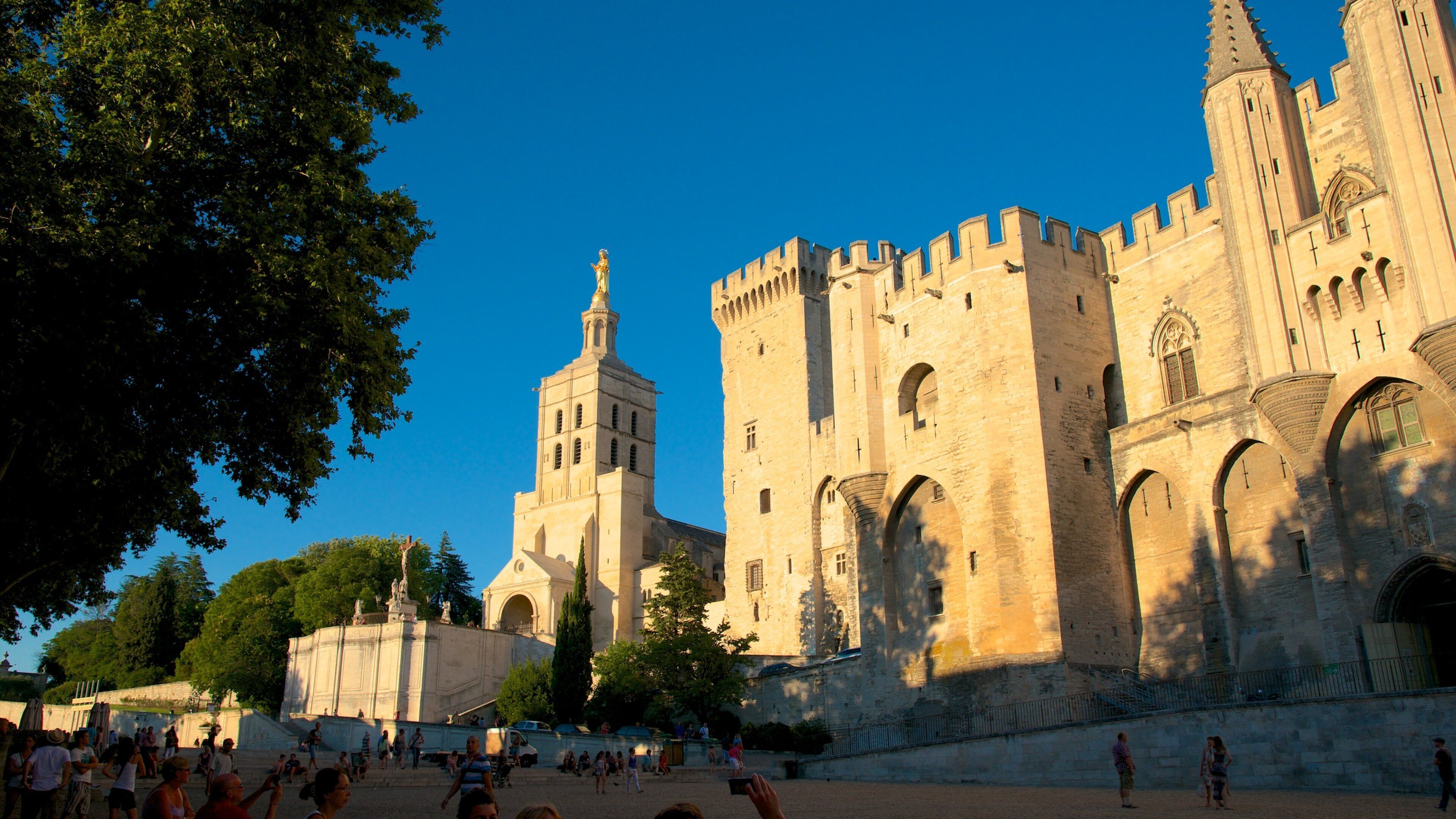
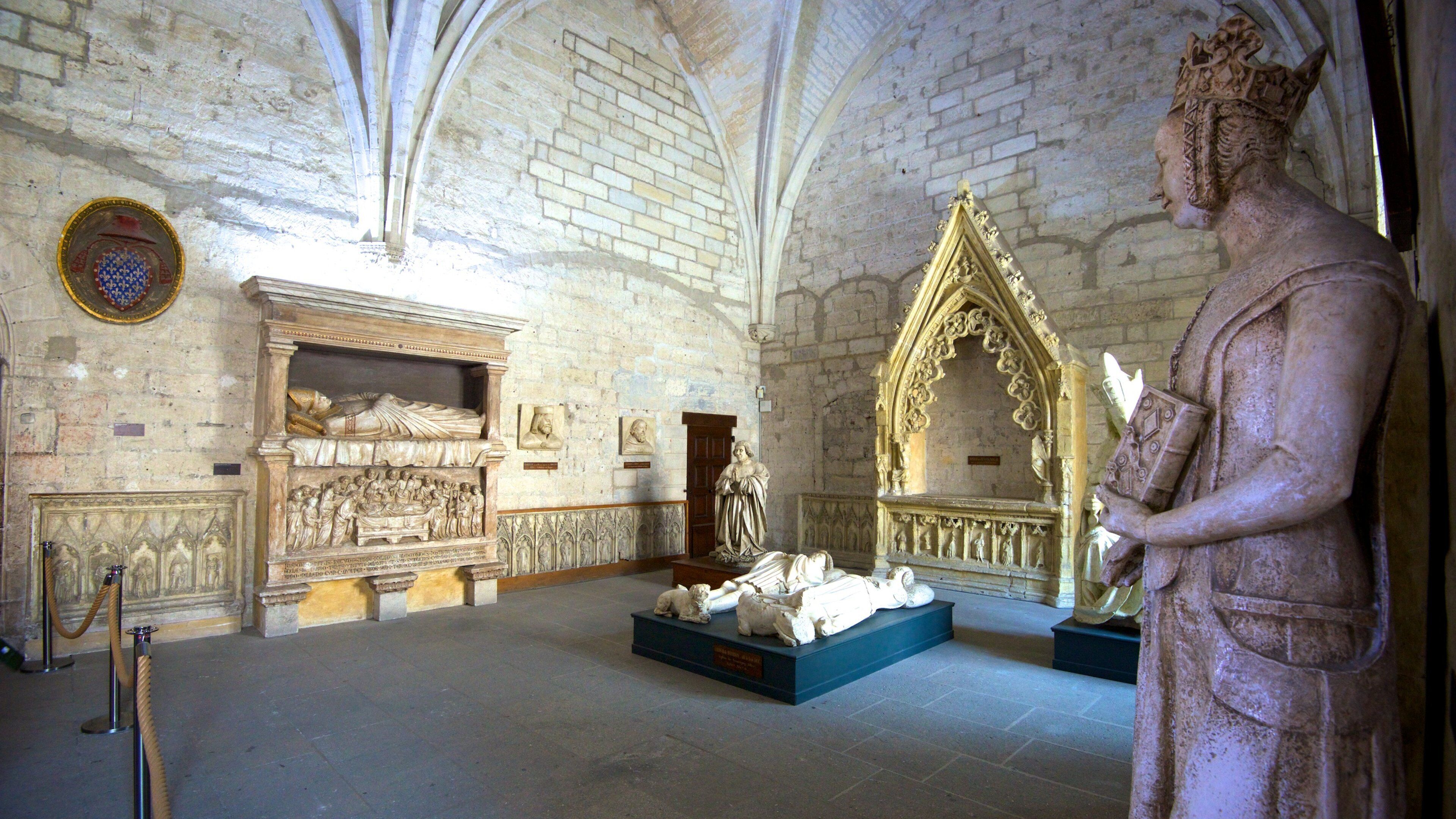
The Palais des Papes in Avignon is one of the largest and most important medieval Gothic buildings in all of Europe. Historically, it served as the seat of Western Christianity during the 14th century, housing six successive papal reigns. Families will absolutely love exploring the massive stone halls, intricate chapels, and hidden courtyards of this fortress-like palace.
The attraction provides interactive augmented reality tablets called "Histopads" for visitors, which magically recreate how the rooms looked centuries ago, keeping children highly engaged. Walking through the grand dining halls and the Pope's private bedchamber gives a tangible sense of the incredible power and wealth of the era. You can easily spend three to four hours getting lost in the history of this monumental structure.
The views from the top of the palace towers offer breathtaking panoramas of the Rhône River and the famous Pont d'Avignon. Surrounding the palace is a vibrant square filled with street performers, cafes, and local artisans. It is highly recommended to book tickets online in advance to skip the notoriously long summer queues. Strollers are difficult to maneuver on the uneven stone stairs, so a baby carrier is advisable for infants.
The palace frequently hosts incredible art exhibitions and a stunning light show during the summer evenings. Guided tours are available in multiple languages and provide a deep dive into the complex history of the papal schism. No trip to Provence is complete without visiting this awe-inspiring architectural marvel. The sheer scale of the building will leave both children and adults speechless. Booking Link:
Verdon Gorge (Gorges du Verdon)
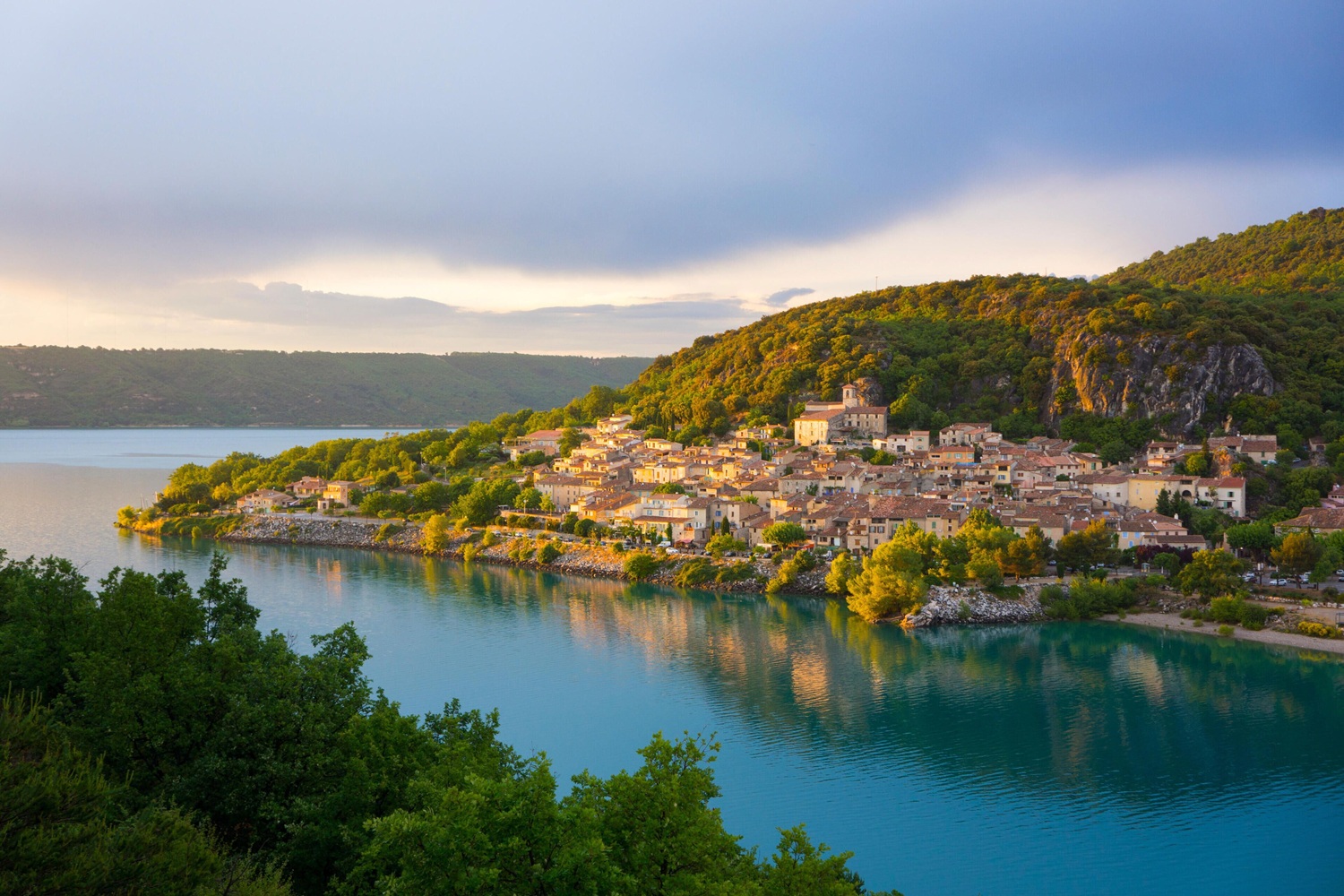
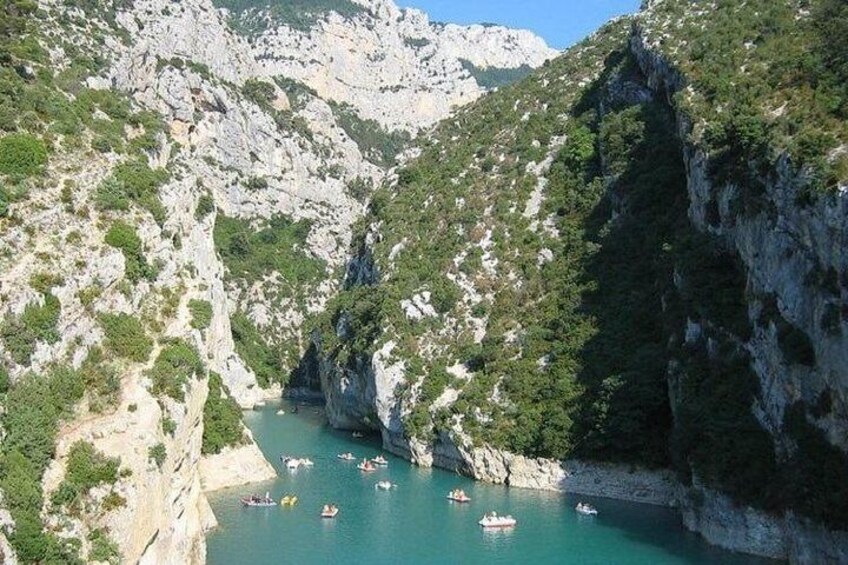
Often referred to as the "Grand Canyon of Europe," the Verdon Gorge is a spectacular natural wonder that should be on every family's itinerary. The river that flows through the gorge is famous for its striking, almost unbelievable turquoise-green color. Families can rent electric boats, pedal boats, or canoes at the Lac de Sainte-Croix to gently paddle up into the mouth of the towering limestone canyon.
Driving around the rim of the gorge offers heart-stopping, panoramic views that are perfect for family photographs. There are numerous designated lookout points, such as the Point Sublime, where you can safely gaze down at the dramatic drops. For older children and adventurous teenagers, the area offers world-class hiking, rock climbing, and even white-water rafting further up the river. The surrounding natural park is teeming with local wildlife, including impressive Griffon vultures circling high above the cliffs. The drive itself is not for the faint of heart, as the roads are narrow, winding, and incredibly high, but the scenery is worth every white-knuckled moment.
Pack a picnic basket full of local cheeses and baguettes to enjoy on the shores of the lake after a morning of boating. Keep in mind that the water remains quite chilly even in the height of summer, providing a very refreshing dip. Arrive early in the morning to secure a boat rental, as they frequently sell out by midday during July and August. The surrounding villages, such as Moustiers-Sainte-Marie, are perfect for exploring before or after your gorge adventure. The sheer natural beauty of the Verdon Gorge provides a stark, wild contrast to the manicured lavender fields of the plateau. It is an unforgettable outdoor experience that highlights the raw geological power of the French landscape. Booking Link:
The Ochre Trails of Roussillon (Le Sentier des Ocres)


Roussillon is undeniably one of the most visually striking villages in all of France, famous for its magnificent red, yellow, and orange ochre cliffs. The Sentier des Ocres is a beautifully maintained walking trail that takes families right through the heart of these vibrant, former pigment quarries. The contrast between the brilliant red earth, the bright green pine trees, and the deep blue Provençal sky is an absolute dream for photographers. Children will feel like they are exploring the surface of Mars as they walk along the sandy, brightly colored pathways.
There are two trail options—a short 30-minute loop and a longer 60-minute loop—both of which are incredibly easy and suitable for all ages. Be strongly warned: the ochre dust gets absolutely everywhere, so do not dress your family in their best white clothing or expensive shoes! The natural pigments used to be mined here to create paints and dyes used all over the world. After walking the trails, you must explore the village of Roussillon itself, where every single house is painted in a different shade of the local earth. You can buy natural ochre pigments in the local shops as a unique souvenir to take home for art projects. The trails are nicely shaded by tall trees, making this a comfortable outdoor activity even on hot summer afternoons.
The site has informative signboards explaining the unique geology and history of the mining industry in the area. It is a highly sensory and visually stimulating environment that breaks up the routine of historical town visits. The entrance fee is very minimal, making it a highly budget-friendly family excursion. This colorful landscape is truly a magical anomaly in the middle of the lush Luberon valley. Booking Link:
Pont du Gard
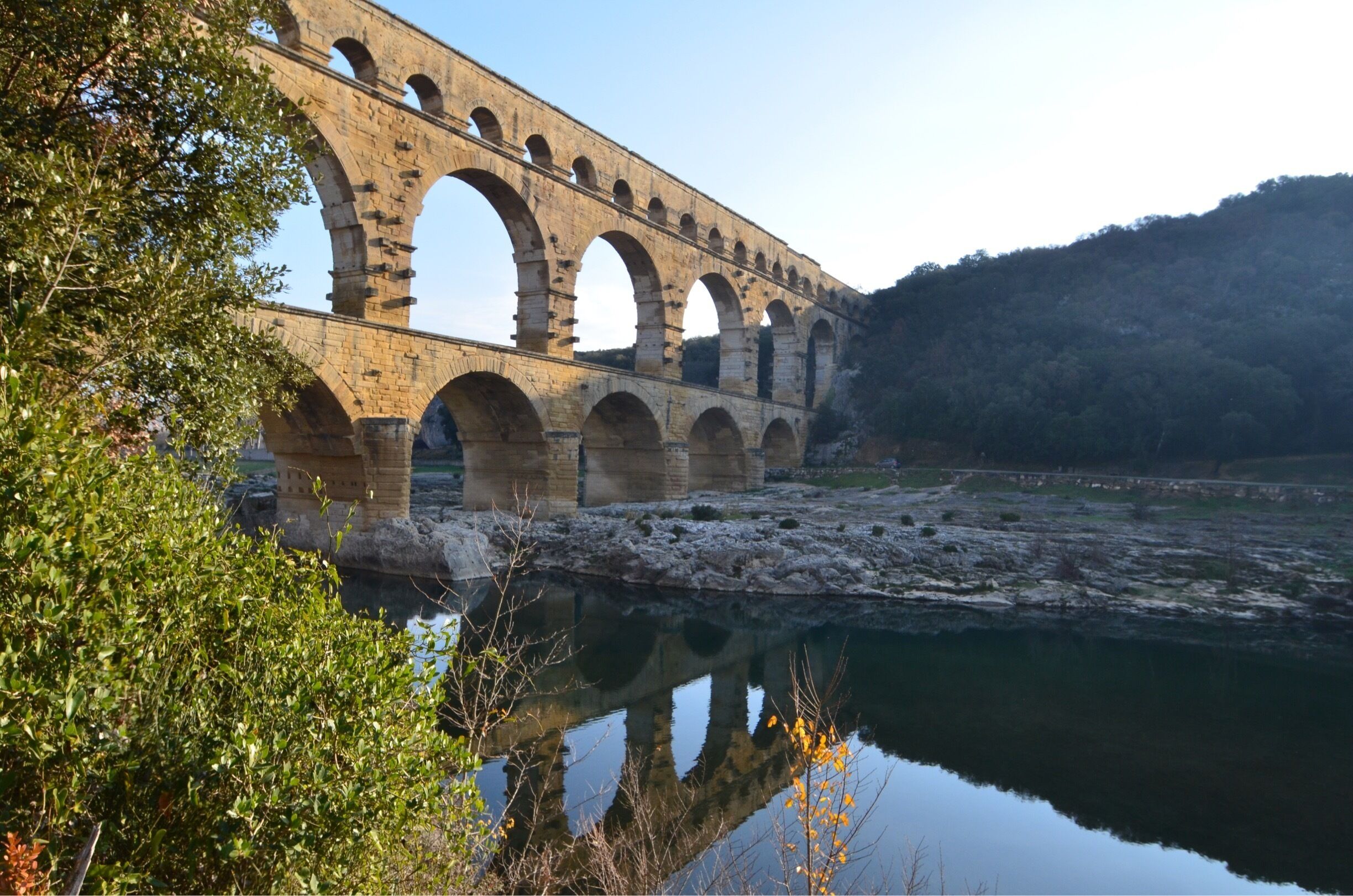
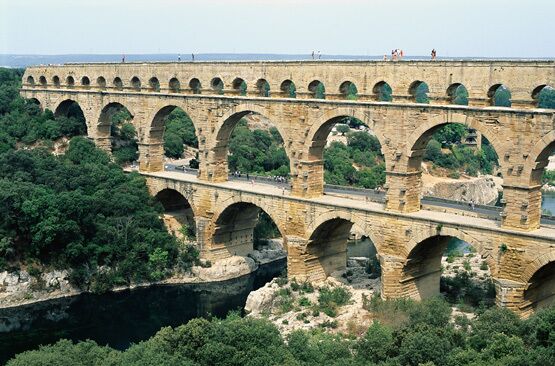
The Pont du Gard is an ancient Roman aqueduct bridge built in the first century AD, and it stands as one of the best-preserved Roman ruins in the world. This monumental structure was originally built to carry water over 50 kilometers to the Roman colony of Nemausus (Nîmes). Standing in front of the massive, three-tiered stone arches is a truly humbling experience that vividly brings ancient history to life for children.
The site is incredibly well-managed, featuring an expansive, state-of-the-art museum that uses multimedia exhibits to explain Roman engineering and the construction of the aqueduct. Families can easily spend a full day here, as the area surrounding the bridge is a massive natural park perfect for exploration. During the summer, locals and tourists alike swim in the Gardon River directly beneath the massive arches of the bridge. You can also rent canoes to paddle down the river, passing right under the ancient monument for a truly unique perspective. The grounds feature lovely Mediterranean gardens and numerous shaded spots that are absolutely perfect for a family picnic.
A dedicated children's discovery area called "Ludo" offers hands-on, interactive learning activities about history and water management. There are numerous hiking trails that offer stunning vantage points of the aqueduct from high up in the surrounding hills. During summer evenings, the bridge is often illuminated with a spectacular light and sound show. The site is fully equipped with massive parking lots, clean restrooms, cafes, and easy accessibility for strollers. Witnessing the Pont du Gard provides a vital educational element to your family vacation while remaining incredibly fun. It is a masterpiece of human ingenuity that continues to inspire awe two millennia after it was built. Booking Link:
Valensole Plateau (Lavender Fields)

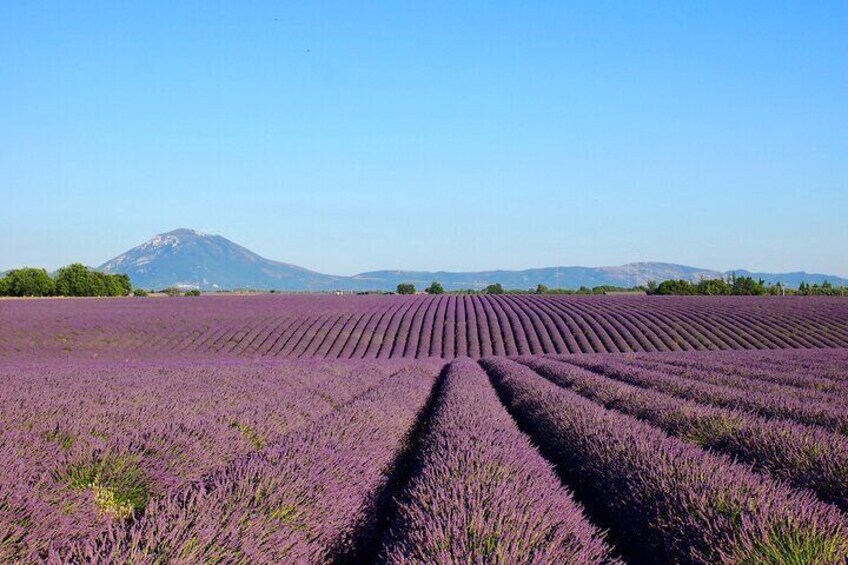
If you are visiting Provence between mid-June and mid-July, driving through the Valensole Plateau to see the endless seas of purple lavender is absolutely mandatory. This flat plateau is the undisputed capital of lavender production in France, offering the most iconic, postcard-perfect views in the region. As you drive along the country roads, the air fills with the incredibly soothing and sweet fragrance of the blooming flowers.
Families can pull over safely on the side of the road to wander through the rows of purple, but remember to always be respectful and never pick the flowers. You will hear the gentle, constant humming of millions of bees hard at work pollinating the crops; they are generally harmless if left alone, but keep a close eye on young children. Many of the local farms open their doors to tourists, offering guided tours of their distilleries to show how lavender essential oil is extracted. Farm shops along the route sell incredible local products, including lavender honey, artisanal soaps, and delicious lavender-flavored ice cream.
The best time for photography is during the golden hour, just before sunset, when the light turns the fields into a magical, glowing purple landscape. Alongside the lavender, you will also frequently see massive, vibrant fields of yellow sunflowers, creating a stunning color contrast. The town of Valensole itself is charming and hosts an annual lavender festival in July that is a massive hit with families. Be prepared for crowds and traffic along the most famous stretches of road during peak blooming season. The sheer vastness of the colorful fields provides a profound sense of peace and natural beauty.
It is an incredibly sensory experience that visually defines what Provence means to the rest of the world. Ensure your camera batteries are fully charged, as you will be taking hundreds of photos of your family in this spectacular setting. Booking Link:
10-Day Family Itinerary: Provence Highlights
Day 1-3: Avignon and Ancient History Map Route: Start at Marseille Airport -> Drive to Avignon (approx. 1 hour). Details: Arrive at the airport, pick up your rental car, and drive to your base in Avignon. Spend your first full day exploring the magnificent Palais des Papes and dancing on the remains of the famous Pont d'Avignon. On day three, take a short day trip to the magnificent Pont du Gard aqueduct for a day of Roman history and river swimming.
Accommodation Review: "Perfect location right in the city center. The family suite was incredibly spacious, and the staff were wonderful with our kids!" - Sarah M., Family of 4 Best Restaurant: Restaurant L'Agape (Avignon). Restaurant Review: "Amazing Michelin-bib food that still felt welcoming for our family. The duck was perfectly cooked." - David P.
Day 4-6: The Luberon Villages Map Route: Avignon -> Gordes -> Roussillon (approx. 45 mins). Details: Relocate to the heart of the Luberon Valley. Spend these days village-hopping between the stunning hilltop town of Gordes, the colorful ochre trails of Roussillon, and the antique markets of L'Isle-sur-la-Sorgue. Rent bicycles for a family ride through the vineyards.
Accommodation:
Accommodation Review: "A slice of paradise! The pool was a massive hit with the children after a hot day exploring the villages. Stunning views." - Elena T. Best Restaurant: La Trattoria (Gordes). Restaurant Review: "Excellent pasta and pizza which the kids devoured, set against a stunning view of the valley. Highly recommended!" - Marcus W.
Day 7-8: Aix-en-Provence & Coastal Charm Map Route: Luberon -> Aix-en-Provence -> Cassis (approx. 1 hour). Details: Drive south to the elegant city of Aix-en-Provence, famous for its fountains, shaded boulevards, and the footsteps of artist Paul Cézanne. On day 8, take a drive down to the coast to the charming fishing port of Cassis and take a boat tour to see the breathtaking Calanques (limestone coastal cliffs).
Accommodation:
Accommodation Review: "Fantastic stay. It’s a short walk to the historic center and the outdoor thermal pool is fantastic." - The Johnson Family Best Restaurant: Chez Nino (Cassis). Restaurant Review: "The best bouillabaisse and fresh seafood by the harbor. We loved watching the boats come in while we ate." - Lucille B.
Day 9-10: The Wild Verdon Gorge & Departure Map Route: Aix-en-Provence -> Verdon Gorge -> Marseille Airport (approx. 1.5 hours to Gorge, 2 hours back to Airport). Details: Take an epic day trip to the Verdon Gorge. Rent a pedal boat to explore the turquoise waters of the canyon. Enjoy a final scenic drive and a farewell family dinner in a rustic country auberge. On day 10, drive back to Marseille airport for your departure, taking home a lifetime of memories.
Accommodation:
Accommodation Review: "An absolute dream. Alain Ducasse's property is incredibly luxurious but surprisingly family-friendly. The gardens are gorgeous." - Frank O. Best Restaurant: La Ferme (Moustiers-Sainte-Marie). Restaurant Review: "Authentic, rustic French farm food. The lamb was out of this world. Great end to our trip!" - Chloe S.
Local Events of the Whole Year in Provence
Provence is a vibrant region that celebrates its culture, food, and history with incredible passion throughout the entire calendar year.
In January, the region is quiet, but you can experience the magical Truffle Markets in villages like Richerenches, where chefs and locals barter for the "black diamond" of cuisine.
February brings the spectacular Fête du Citron (Lemon Festival) in nearby Menton, featuring massive, intricate sculptures made entirely of citrus fruits that children will adore.
March sees the arrival of spring and local carnivals, as well as the beginning of the bustling outdoor antique markets in L'Isle-sur-la-Sorgue.
In April, the Feria d'Arles kicks off, a vibrant festival celebrating local bullfighting traditions (though families might prefer the lively street parades and music).
May is an internationally famous month due to the glamorous Cannes Film Festival happening on the nearby Riviera, bringing an electric buzz to the entire southern region.
June marks the beginning of the lavender season, and villages like Sault begin preparing for agricultural fairs and midsummer (Fête de la Saint-Jean) bonfires.
July is arguably the busiest month for events, headlined by the world-renowned Festival d'Avignon, transforming the entire city into an open-air theater with thousands of performances. July is also when the famous Lavender Festivals occur in Valensole and Digne-les-Bains, featuring parades and markets dedicated to the purple flower.
In August, the Chorégies d'Orange takes place, offering breathtaking opera performances inside a beautifully preserved ancient Roman theater.
September is dedicated to the harvest; you can find the Fête de la Gastronomie across the region and local wine harvest festivals (Fête des Vendanges) celebrating the new vintage.
October brings cooler weather and the return of the olive harvest, celebrated with local food fairs and tastings in the Alpilles region.
In November, the locals begin their preparations for winter, and you can attend the Foire de la Saint-Siffrein in Carpentras, a massive traditional winter fair.
Finally, December transforms the region with magical Christmas Markets (Marchés de Noël) in Aix-en-Provence and Avignon, complete with traditional Santons (handmade nativity figurines) and hot mulled wine. No matter what time of year you choose to visit, there is always a vibrant local celebration waiting to be discovered by your family. These events provide a deep, authentic connection to the cultural heartbeat of southern France.
How NOT to Get Scammed in Provence in France?
While Provence is generally a safe and welcoming region, tourists can occasionally fall victim to common travel scams and tourist traps if they are not vigilant. One of the most common issues occurs in busy tourist centers and train stations, particularly in Marseille, where skilled pickpockets target distracted families maneuvering heavy luggage.
To avoid this, always keep your valuables in a secure, hidden money belt or a cross-body bag that zips closed tightly, and never put your phone in your back pocket. Be extremely cautious of people approaching you with petitions to sign, offering you a "free" friendship bracelet, or asking for directions; these are almost always distraction techniques used by accomplices to steal your wallet. When dining out, avoid restaurants located directly adjacent to major monuments that feature massive, multi-language menus with bright pictures; these are typically overpriced tourist traps serving microwaved, low-quality food. Instead, walk a few streets back to find where the locals are eating, and look for small chalkboards offering a "Plat du Jour" (Dish of the Day).
Another frequent scam involves the selling of fake lavender products at local markets; ensure you are buying "Lavande Fine" or "Lavandin" from reputable farmers, rather than cheap, synthetically scented water. When renting a car, never, under any circumstances, leave visible luggage or valuables inside the vehicle when parked at tourist sites or hiking trails, as smash-and-grab break-ins do occasionally happen. Be wary of taxi drivers who claim their meter is broken; insist that the meter is turned on before the journey begins, or use official ride-sharing apps where the price is fixed.
At toll booths, ensure you have a credit card with a smart chip or exact change, as scammers sometimes linger near toll stations offering to "help" tourists with the machines. When booking holiday rentals or villas online, only use reputable platforms and never wire money directly to a foreign bank account, as fake rental listings are a known problem. In large crowds or markets, establish a clear meeting point with your children in case anyone gets separated.
Always check your restaurant bill carefully to ensure unauthorized "service charges" or items you did not order haven't been added. If a deal or a friendly stranger seems too good to be true, your intuition is likely correct. By staying alert and exercising basic common sense, your family can completely avoid these pitfalls and enjoy a stress-free vacation.
Is it Safe in Provence in France?
Provence is overwhelmingly considered a very safe destination for international travelers and is exceptionally well-suited for family vacations. Violent crime is extremely rare in the region, particularly in the countryside, small villages, and the popular Luberon valley. The primary security concern for tourists, as in any major global destination, is petty crime such as pickpocketing and bag snatching, which is mostly concentrated in larger cities like Marseille, Avignon, and at major train stations. It is important to maintain situational awareness in crowded markets, tourist attractions, and on public transportation.
France has an excellent, world-class healthcare system, so if a family member falls ill or gets injured, you will have access to high-quality medical care. Pharmacies, easily identifiable by a glowing green cross, are abundant and staffed by highly trained pharmacists who can diagnose minor ailments and provide effective over-the-counter remedies. The emergency numbers in France are 15 for medical emergencies, 17 for the police, and 112 for the general European emergency line. When driving, the roads are generally safe and well-maintained, but extra caution is required on the narrow, winding, and sometimes steep roads found in rural and mountainous areas like the Verdon Gorge. Speed cameras are heavily utilized on French highways, and speeding fines are steep, so always adhere strictly to the posted speed limits.
During the hot summer months, the risk of forest fires is very high in Provence, so you must obey all local restrictions regarding access to natural parks and absolutely never discard cigarettes out of car windows. The intense summer sun poses a real health risk, making dehydration and heatstroke significant concerns for young children; always carry plenty of water and apply high-SPF sunscreen regularly. Tap water is universally safe to drink across France, so bring reusable water bottles to save money and reduce plastic waste. Wild animals pose very little threat, though you should check your family for ticks if you have been hiking through tall grass or forested areas.
In the event of a national strike (a somewhat common occurrence in France), train schedules and public services may be disrupted, but this is an inconvenience rather than a safety threat. Overall, by taking standard travel precautions, you can feel entirely confident and secure bringing your family to explore Provence.
What to Pack for Provence in France?
Packing appropriately for Provence requires careful consideration of the season, the varied activities on your itinerary, and the specific needs of traveling with a family. If you are visiting during the peak summer months, lightweight, breathable fabrics like linen and cotton are absolutely essential to combat the intense Mediterranean heat.
You must pack high-quality, broad-spectrum sunscreen, wide-brimmed hats, and UV-protective sunglasses for every single member of the family, as the sun can be remarkably strong. A highly comfortable pair of walking shoes or sturdy sandals is crucial, as you will spend hours navigating uneven, ancient cobblestone streets and climbing steep village staircases.
For summer evenings, pack a light sweater or denim jacket, as the famous Mistral wind can suddenly make the air feel surprisingly chilly after the sun goes down. A versatile, lightweight daypack is necessary for carrying water bottles, daily snacks, camera equipment, and any souvenirs you pick up at local markets. Do not forget to pack your swimsuits, quick-drying travel towels, and perhaps water shoes, as you will likely be swimming in the rocky Mediterranean calanques or the refreshing rivers of the Verdon Gorge.
If you are traveling in the spring or autumn, layers are your best friend; pack long-sleeved shirts, medium-weight sweaters, and a reliable waterproof windbreaker, as the weather can change rapidly. For dining out at nicer restaurants, bring at least one "smart casual" outfit, as the French generally appreciate a slightly more put-together appearance for dinner. An international power adapter (Type E plug) is essential for charging your smartphones, cameras, and tablets. If you suffer from motion sickness, pack appropriate medication, as the rural roads and mountain passes can be incredibly winding and twisty. A small, basic first-aid kit containing band-aids, antiseptic cream, pain relievers, and blister pads is a lifesaver for families on the go.
If you plan to rent a car, bringing your own portable phone mount for the dashboard is highly recommended for easy GPS navigation. Reusable tote bags are fantastic to pack, as they take up no space and are perfect for carrying groceries from local markets. Finally, always pack a great sense of adventure and flexibility, as the best travel moments often happen when you stray from the original plan.
Daily Budget for Provence in France
Creating a realistic daily budget for a 10-day family trip to Provence is essential, as the region can cater to both budget-conscious travelers and those seeking extreme luxury. For a family of four, accommodation will be your most significant expense, with mid-range family hotels or charming Airbnb gîtes typically costing between €150 and €300 per night. If you choose to stay in highly sought-after villages like Gordes or in luxury châteaux, expect accommodation prices to easily exceed €500 per night during the peak summer season.
Food is a wonderful part of the experience; a family should budget roughly €100 to €150 per day if you mix casual café lunches, cooking dinner at your rental, and enjoying the occasional mid-range restaurant meal. Purchasing fresh baguettes, cheeses, fruits, and wine from the local markets for daily picnics is not only culturally authentic but also a massive money-saver. Renting a standard automatic family car will cost approximately €60 to €100 per day, not including the high cost of European gasoline and frequent highway toll fees (péages). Transportation costs can add up quickly, so be sure to allocate around €30 to €50 per day for fuel, parking fees in villages, and occasional public transit tickets.
Activities and entrance fees are generally reasonable; budgeting €40 to €80 per day will comfortably cover museum tickets, historical sites like the Palais des Papes, and boat rentals. Shopping and souvenirs are highly subjective, but setting aside €20 to €50 per day allows you to purchase local lavender products, artisanal soaps, and beautiful ceramics. In total, a comfortable, mid-range budget for a family of four should fall around €400 to €600 per day, excluding international flights. To stretch your budget further, prioritize free outdoor activities like hiking, exploring village architecture, and relaxing at local swimming spots. Keep in mind that tipping in restaurants is not strictly required in France, as a 15% service charge is legally included in the bill, though leaving a few extra euros for exceptional service is appreciated.
Traveling during the shoulder seasons of May or September can drastically reduce your accommodation and rental car costs. Always carry some physical euro cash with you, as small market vendors and rural cafes may not accept foreign credit cards. By planning ahead and balancing expensive dinners with market picnics, you can enjoy an incredible vacation without breaking the bank.
eSIM for France & Staying Connected
While exploring the stunning landscapes of Provence, having a reliable internet connection is absolutely critical for GPS navigation, translating French menus, and keeping your family safe. The modern family is constantly connected, and relying solely on hotel Wi-Fi when you are out exploring medieval villages or expansive lavender fields is simply not a viable option. Securing reliable mobile data is an absolute necessity for coordinating museum tickets, checking real-time train schedules, and finding the best hidden local bistros.
Provence is a sprawling region with winding rural roads, making seamless communication and live map updates vital for a stress-free driving experience. Relying on public Wi-Fi in French train stations or cafes can be frustrating, as it is often slow, requires complicated logins, and poses significant cybersecurity risks. Purchasing a traditional physical SIM card upon arrival at Marseille or Charles de Gaulle airport often involves waiting in exhaustingly long queues after a tiring flight. Furthermore, dealing with complicated, high-pressure registration processes in a foreign language is the last thing you want to do when traveling with restless children. To avoid this massive hassle, the smartest move a traveler can make is to purchase a digital eSIM before even stepping foot on the plane.
An eSIM allows you to instantly connect to top-tier local French cellular networks the absolute second your plane lands, providing immediate peace of mind. You will need mobile data to use essential local apps like SNCF Connect for booking trains, Uber for safe transportation in major cities, and Google Maps to navigate bustling village market streets. Whether you are checking the opening hours of a local winery or simply sharing spectacular vacation photos of the Pont du Gard with relatives back home, fast data is non-negotiable. It ensures that in an emergency, you have the immediate capability to contact local French authorities, medical services, or your home embassy without delay.
By buying an eSIM in advance, you completely skip the exorbitant roaming charges from your home mobile carrier, which can otherwise result in shockingly high phone bills upon your return. It is unequivocally the most modern, efficient, and cost-effective way to handle your family's international communications while exploring the south of France. For the absolute best rates, seamless activation, and reliable coverage across both the cities and the deep countryside of Provence, you must purchase your connection through a trusted provider. You can easily buy your eSIM for France right now and ensure a flawlessly connected vacation by visiting this link: eSIMlii eSIM for France.
Frequently Asked Questions (FAQ)
1. Do people speak English in Provence? While French is the official language, most people working in the tourism industry, hotels, and large restaurants speak adequate English. However, in small rural villages, English is less common, so learning a few basic French phrases (like Bonjour, Merci, S'il vous plaît) goes a very long way and is highly appreciated by locals.
2. Is it necessary to rent a car? If you only plan to visit major cities like Avignon or Marseille, public transport is sufficient. However, to truly explore the famous lavender fields, hidden gorges, and hilltop villages that make Provence special, renting a car is absolutely essential for a family.
3. Can you drink the tap water in France? Yes, tap water in France is held to extremely high safety standards and is perfectly safe to drink. Ask for "une carafe d'eau" in restaurants to get a free pitcher of tap water instead of paying for expensive bottled water.
4. When exactly do the lavender fields bloom? The lavender blooming season varies slightly depending on the weather, but the absolute best time to guarantee seeing fully purple fields is from the last week of June through the second week of July. Harvesting usually begins by mid-July.
5. Are the hilltop villages stroller-friendly? Many ancient villages (like Gordes or Roussillon) feature steep, uneven cobblestone streets and numerous stairs. While you can manage a rugged stroller, bringing a comfortable baby carrier or hiking backpack is highly recommended for infants and toddlers.
6. Do I need to tip in French restaurants? In France, a 15% service charge is automatically included in all restaurant and café bills by law (Service Compris). However, if you received excellent service, it is customary to leave a few extra euros on the table.
7. Are public restrooms easy to find? Public restrooms are available in most towns and tourist sites, but they sometimes require a small fee (usually 50 cents or 1 Euro). It is always a good idea to carry some small coins and your own pocket tissues just in case.
8. Is the Mediterranean sea warm enough for swimming? The sea temperature varies by season. By late June, the water is generally comfortable for swimming, peaking in August, and remaining warm enough well into September. In the Verdon Gorge, the river water remains quite chilly year-round.
9. What is the Mistral? The Mistral is a strong, cold, dry wind that blows from the north down through the Rhône valley to the Mediterranean coast. It can happen at any time of year and dramatically cools down the temperature, so packing a windbreaker is always wise.
10. Do shops and restaurants close during the day? Yes, many smaller shops, rural businesses, and banks close for lunch between 12:30 PM and 2:30 PM. Additionally, it is very common for businesses outside of major tourist zones to be completely closed on Sundays.
Why This Will Be The Best 10-Day Vacation
Embarking on a 10-day family vacation to Provence is an absolute guarantee of creating magical, lifelong memories that your children will cherish forever. This carefully curated itinerary ensures that you experience the perfect balance between educational historical sites, breathtaking natural wonders, and relaxing downtime.
Over the course of these ten days, you will have witnessed the sheer architectural majesty of the Roman Empire at the Pont du Gard and the papal power at the Palais des Papes. You will have tasted the unparalleled freshness of a true French market, bonding over simple picnics of cheese, bread, and ripe fruit under the shade of ancient olive trees. The dramatic, turquoise waters of the Verdon Gorge will have provided an injection of outdoor adrenaline and spectacular family photographs. Walking hand-in-hand through the vibrant, dusty red trails of Roussillon will have sparked your children's imagination in a way that no classroom ever could. By driving through the intoxicatingly fragrant lavender fields, you will have experienced the true, sensory essence of southern France. Staying in charming local accommodations allows your family to temporarily adopt the beautifully slow, intentional pace of the Provençal lifestyle.
This region uniquely manages to cater to the refined tastes of adults—through world-class wine, art, and cuisine—while remaining entirely accessible, safe, and wildly fun for children. Navigating the country roads, overcoming minor language barriers, and trying new foods together will inevitably bring your family closer as a cohesive unit.
This is not just a standard sightseeing trip; it is an immersive cultural education wrapped up in one of the most visually stunning landscapes on earth. When you finally board your flight home from Marseille, you will leave with a profound appreciation for the art of living well, known as l'art de vivre. Ultimately, this 10-day journey through Provence stands out as the best possible family vacation because it feeds the soul, delights the senses, and reminds us of the pure joy of discovering the world together.
Stay Connected in Provence, France With eSIMlii
Planning your Provence adventure? Choose a