Top Things to Do in Switzerland | Ultimate Family-Friendly Travel Guide + Switzerland eSIM

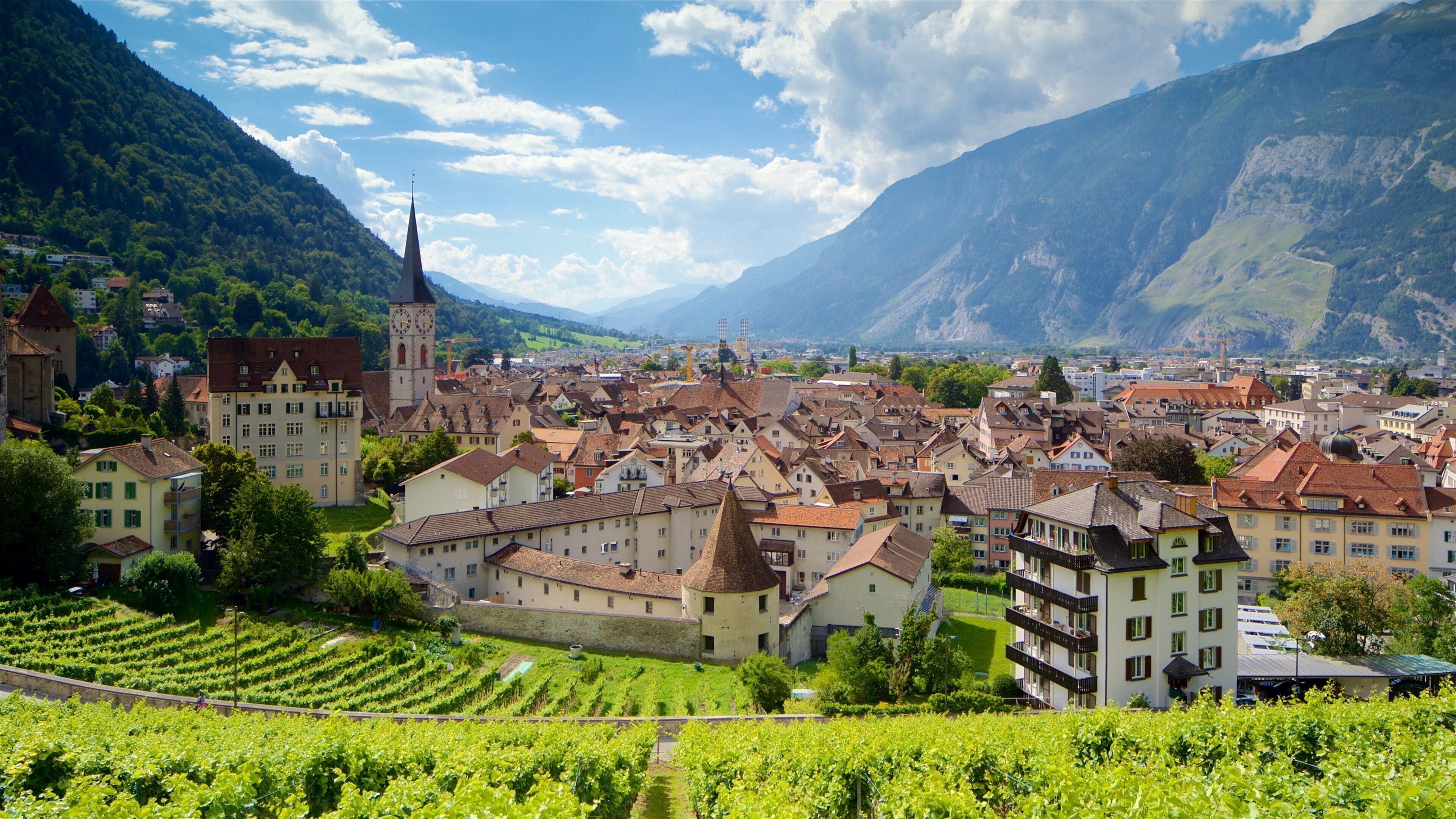

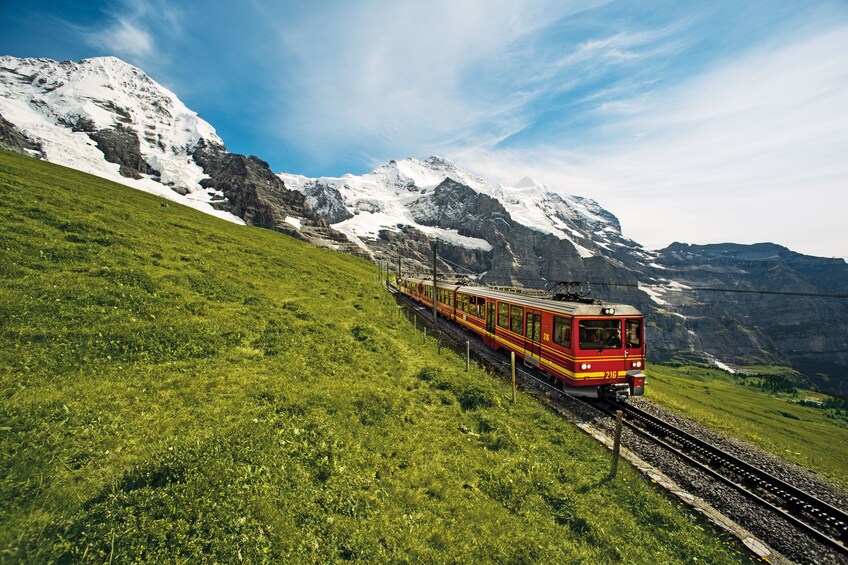

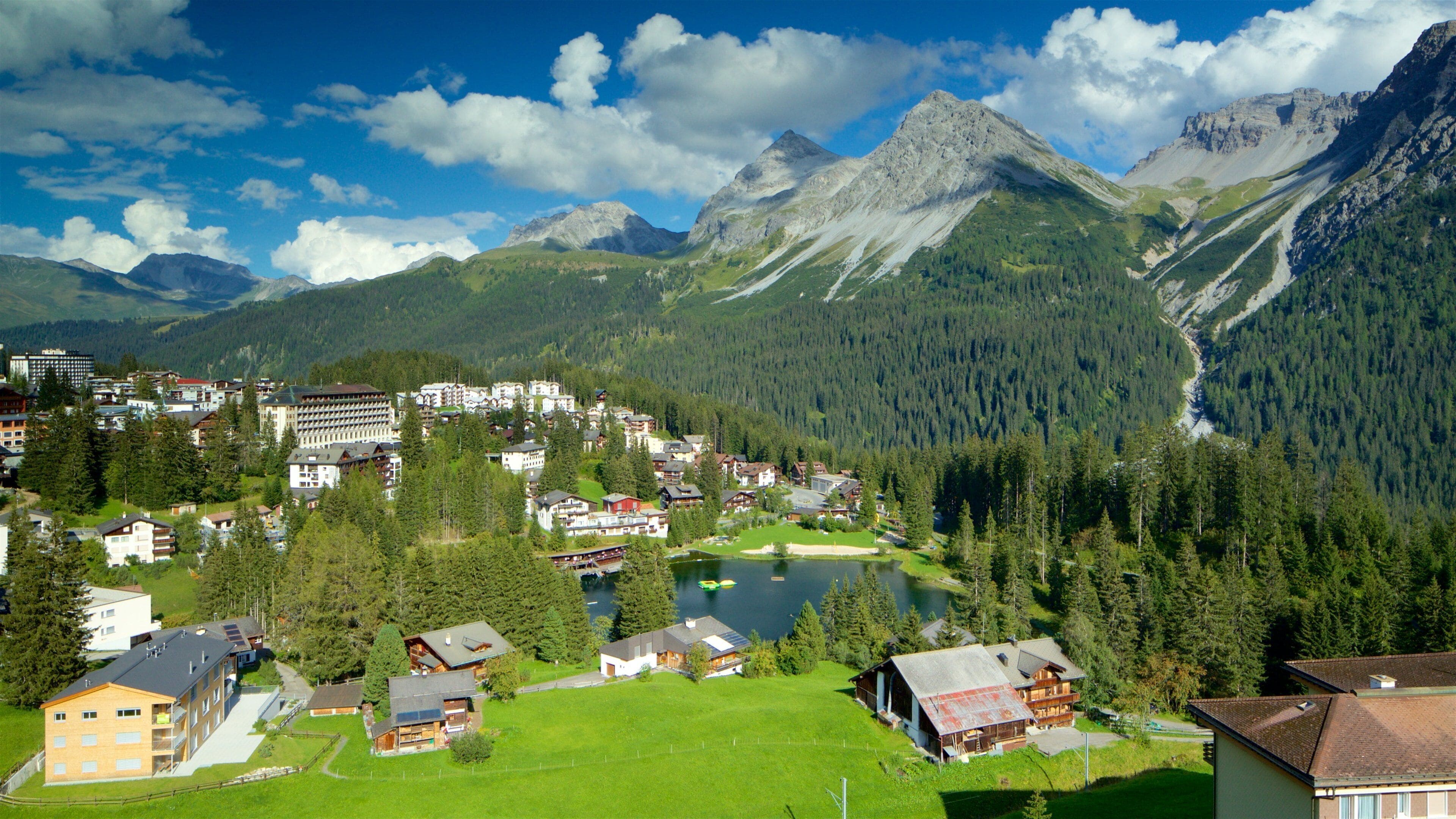
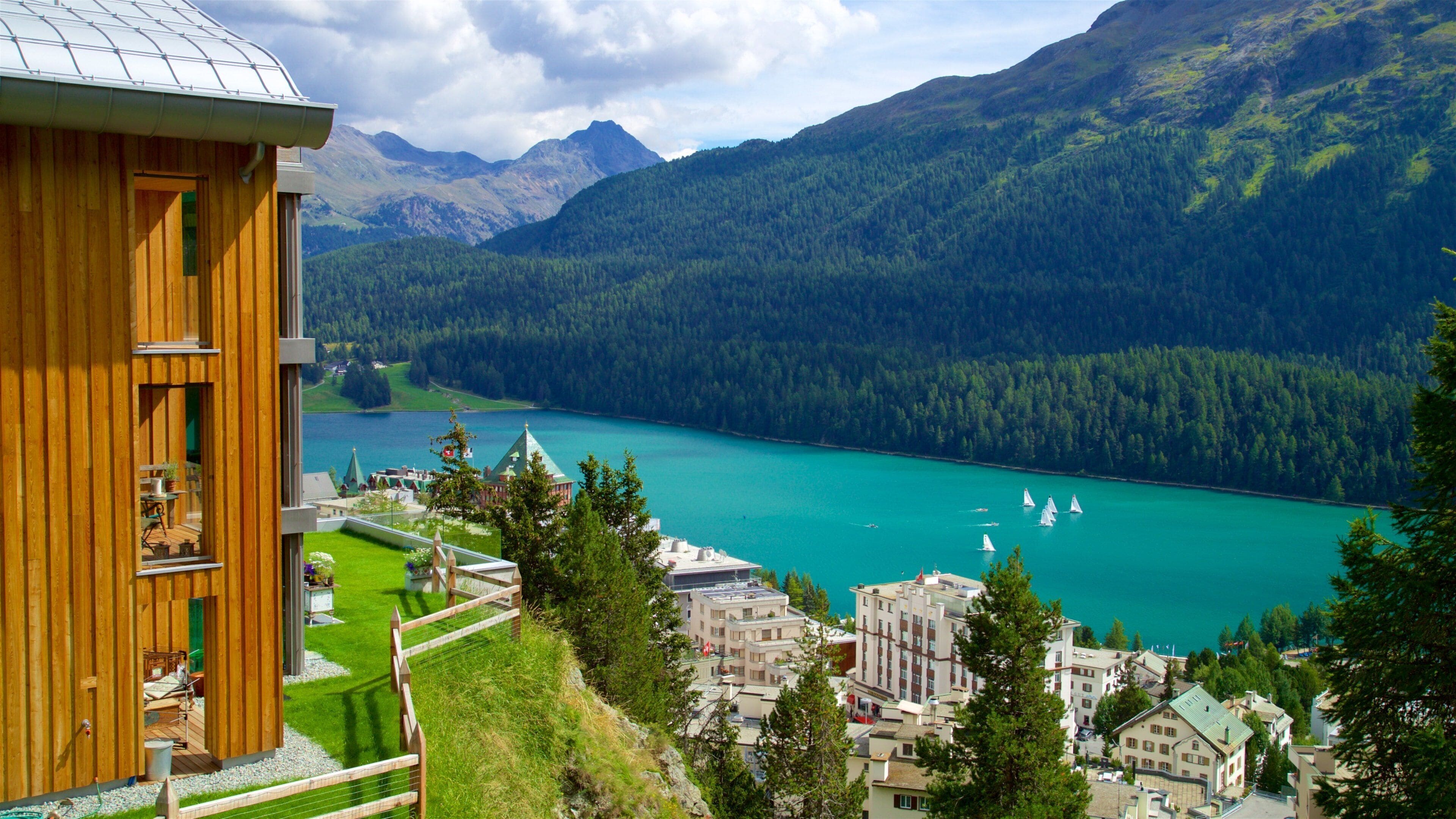
Switzerland is a playground for families, where snow-capped peaks meet crystal-clear lakes and storybook villages come to life. From the efficient trains that wind through the Alps to the world-class chocolate factories that delight children of all ages, this country offers a vacation experience that is both adventurous and safe. Whether you are hiking the flower-filled trails of the Bernese Oberland or exploring the medieval streets of Lucerne, Switzerland provides a seamless blend of natural beauty and modern convenience.
In this eSIMlii Switzerland travel guide, we explore the top things to do in Switzerland, providing detailed insights for families who want to travel smart. We will cover everything from the best time to visit to how to navigate the Swiss transport system like a pro, all while staying connected with a
Why Visit Switzerland?
Switzerland is arguably the most family-friendly destination in Europe, offering a unique combination of safety, infrastructure, and natural wonder. For parents, the clean streets, reliable public transport, and high standard of healthcare provide peace of mind that is hard to find elsewhere. Children are treated as VIPs here, with almost every train featuring a family zone and most mountain peaks offering playgrounds with breathtaking views. The country is a living geography lesson, where kids can see glaciers, waterfalls, and alpine meadows in a single day. Beyond nature, Switzerland creates immersive experiences, such as visiting cheese dairies or chocolate factories, which are educational and delicious.
The linguistic diversity, with German, French, Italian, and Romansh spoken, exposes families to different cultures within small distances. Outdoor activities are endless, ranging from gentle stroller-friendly hikes to adrenaline-pumping toboggan runs. In winter, the ski schools are among the best in the world, specifically designed to teach young children. In summer, the lakes transform into massive swimming pools with clean, drinkable water. The compact size of the country means you spend less time traveling and more time exploring. Every town seems to have a well-maintained park or playground, allowing kids to burn off energy. Finally, the Swiss Travel System makes car-free travel not just possible, but a highlight of the trip, eliminating the stress of driving and navigation.
Why Switzerland Is Best Explored With an eSIM
Switzerland’s mountainous terrain and independent currency (Swiss Franc) can make traditional roaming expensive and unreliable. Navigation is key in Switzerland, especially when using the SBB Mobile app to catch connecting trains, buses, and boats with military precision. Without reliable internet, you might miss the subtle platform changes or funicular schedules that are essential for a smooth family trip.
Using
When to Visit Switzerland?
Deciding when to visit Switzerland depends largely on the activities your family enjoys, as the country changes drastically between seasons. Summer (June to August) is the peak season for hiking, swimming in lakes, and enjoying high-altitude playgrounds that are free of snow. During these months, the weather is warm, and all mountain passes and cable cars are fully operational for visitors. However, this is also the busiest time, so popular spots like Jungfraujoch can get crowded, requiring advance booking for tickets. Shoulder seasons, particularly May and September, offer a fantastic balance with milder weather, fewer crowds, and lower hotel prices.
May is when the valleys are lush and green with spring flowers, though high-altitude trails may still be closed. September is often considered the best month for adults, but it works for families too, offering crisp air and the famous cow parades as cattle descend from the alps. Winter (December to March) is magical for families who love snow sports, Christmas markets, and cozy fondue dinners. December brings festive lights and markets to cities like Basel and Zurich, creating a fairytale atmosphere. January and February are the prime months for skiing, with resorts like Zermatt and Grindelwald offering excellent ski schools for children.
November and April are typically the "off-season" where many cable cars close for maintenance and the weather can be gray and rainy. If you visit in spring or autumn, always check the maintenance schedules of the mountain railways you plan to use. Ultimately, summer offers the most variety for diverse family interests, while winter is a specialized snow-vacation experience.
How to Get to Switzerland?
Switzerland is located in the heart of Europe, making it incredibly accessible by air, train, or car from neighboring countries. The two main international gateways are Zurich Airport (ZRH) and Geneva Airport (GVA), both of which are consistently rated among the best in the world for efficiency. Zurich Airport is the largest hub, receiving direct flights from major cities across North America,
Asia, and practically everywhere in Europe. Geneva Airport is ideal if you are planning to visit the French-speaking part of Switzerland or head directly to ski resorts like Zermatt or Verbier. Basel-Mulhouse-Freiburg Airport (BSL) is another option, particularly for European budget carriers, and serves the northwest region effectively. If you are already in Europe, arriving by train is often more convenient and scenic than flying. High-speed TGV trains connect Paris to Geneva in just over three hours, while ICE trains link Frankfurt and other German cities to Zurich and Basel.
From Italy, direct trains run from Milan to incredible destinations like Lugano, Bern, and Zurich via the Gotthard Base Tunnel. Families traveling from the UK can take the Eurostar to Paris or Lille and transfer to a TGV Lyria for a seamless rail journey.
Driving into Switzerland is possible, but you must purchase a highway vignette sticker (CHF 40) immediately upon entering the country to avoid fines. However, once you arrive, you will likely find that a car is unnecessary due to the exceptional public transport network. For long-haul family flights, Zurich offers excellent family services, including nurseries and playrooms to decompress after landing.
How to Get Around Switzerland?
The gold standard for family travel in Switzerland is the Swiss Travel Pass, an all-in-one ticket that covers trains, buses, and boats nationwide. This pass allows for unlimited travel on the incredible network of the Swiss Federal Railways (SBB) and includes free entry to over 500 museums. Children under 6 travel completely free, and children aged 6 to 15 travel free if accompanied by a parent holding a Swiss Family Card, which is obtainable free of charge with the Swiss Travel Pass.
The train system is clockwork-reliable, clean, and safe, with many intercity trains featuring "Ticki Park" family coaches that have playgrounds on the upper deck. PostBuses (yellow buses) cover the "last mile," taking you from train stations up to remote mountain villages where trains cannot go. Boats on lakes like Geneva, Lucerne, and Thun are also included in the pass and offer a relaxing way to move between towns while enjoying the view. For mountain excursions like cable cars and funiculars, the Swiss Travel Pass usually offers a 50% discount (or 25% for Jungfraujoch), which saves a significant amount of money.
If you prefer driving, roads are excellent, but parking in cities and tourist towns like Zermatt (which is car-free) can be very expensive and logistically difficult. Car seats are mandatory for children under 12 or shorter than 150cm, so ensure your rental provides one. However, the stress-free nature of trains allows parents to interact with their children rather than focusing on GPS and winding roads. The SBB Mobile App is an absolute must-have; it shows platforms, occupancy levels, and the fastest connections in real-time. Finally, luggage transport services are available if you don't want to haul bags between cities, allowing you to travel light.
Must-See Landmarks in Switzerland
Switzerland’s landmarks are natural giants and historical treasures that captivate both children and adults. Exploring these sites often involves fun modes of transport like cogwheel trains or boats, adding to the adventure.
Jungfraujoch - Top of Europe
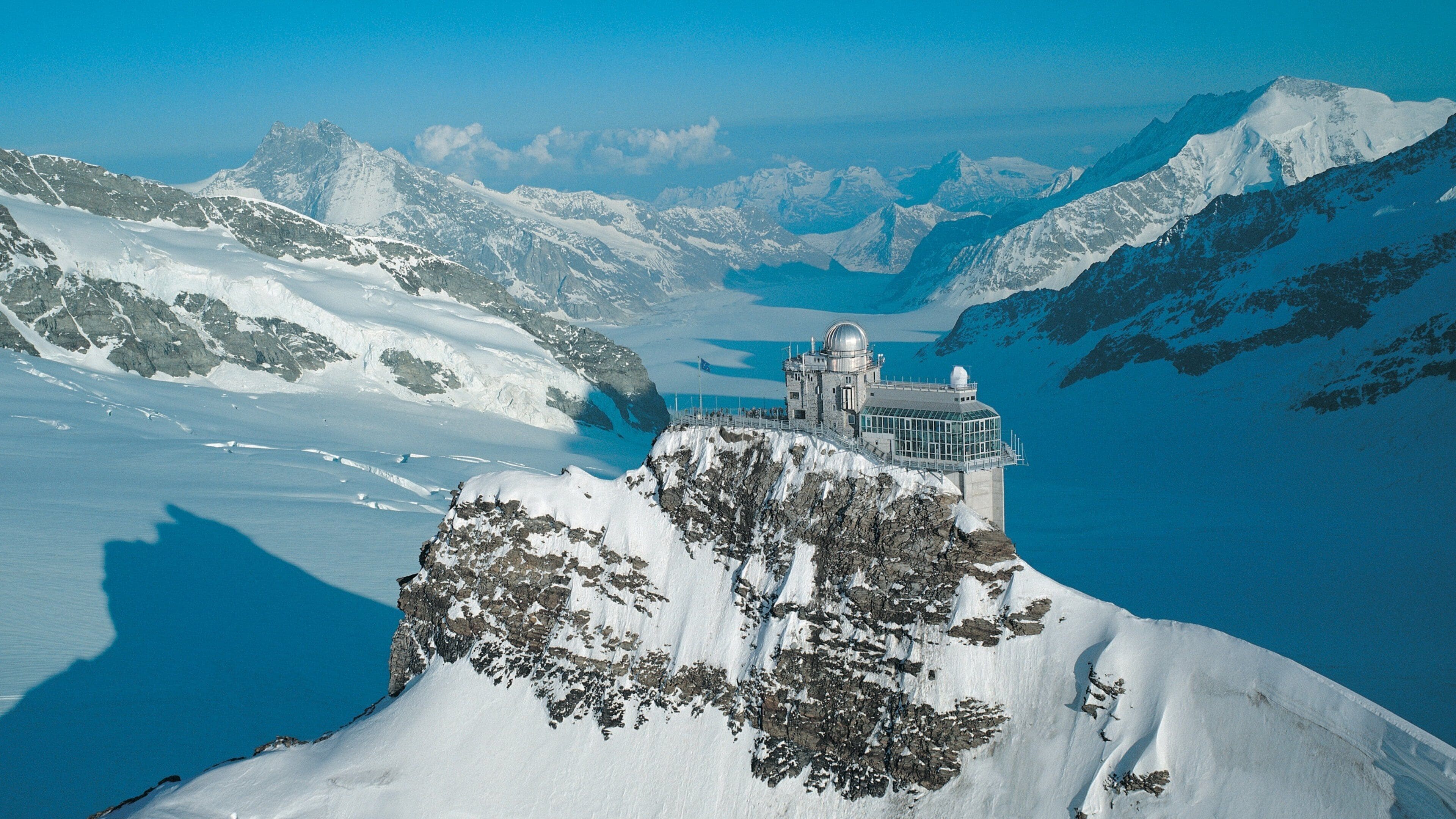
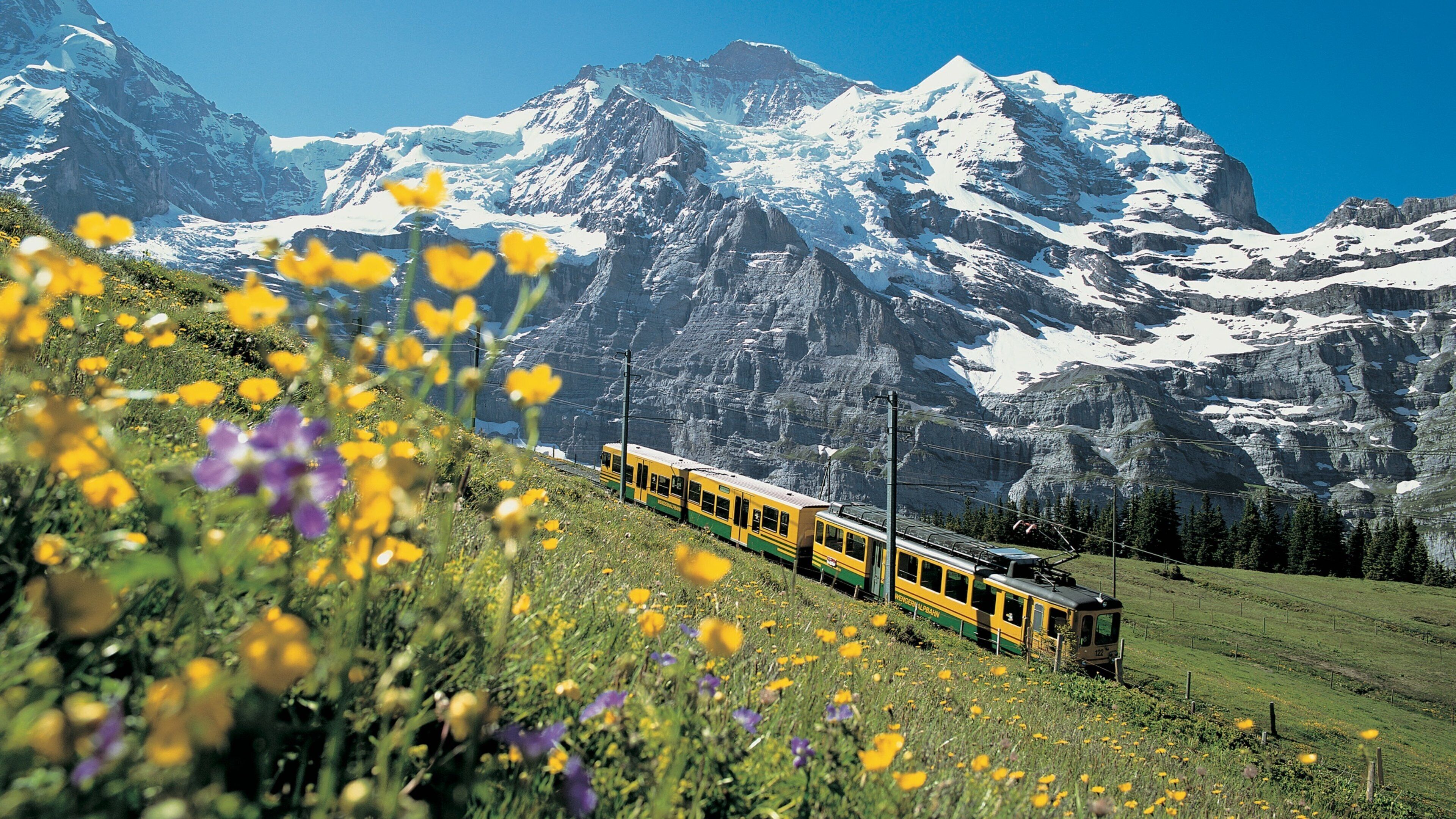
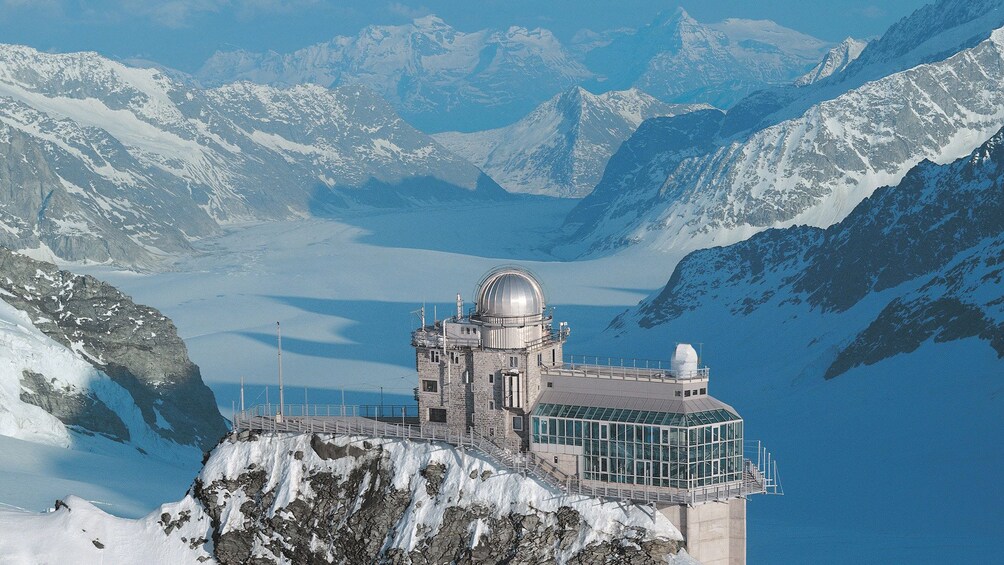
Located at 3,454 meters above sea level, Jungfraujoch is a high-alpine wonderland accessible by train and the new Eiger Express gondola. It is the highest railway station in Europe and offers snow and ice 365 days a year, which is a huge novelty for kids. Families can visit the Ice Palace, a series of tunnels carved directly into the glacier, featuring ice sculptures that you can walk through. The Sphinx Observatory provides 360-degree views of the Aletsch Glacier, the longest in the Alps, stretching for miles. There is also a Snow Fun Park in summer where you can go sledding or tubing without needing ski gear.
The Matterhorn (Zermatt)

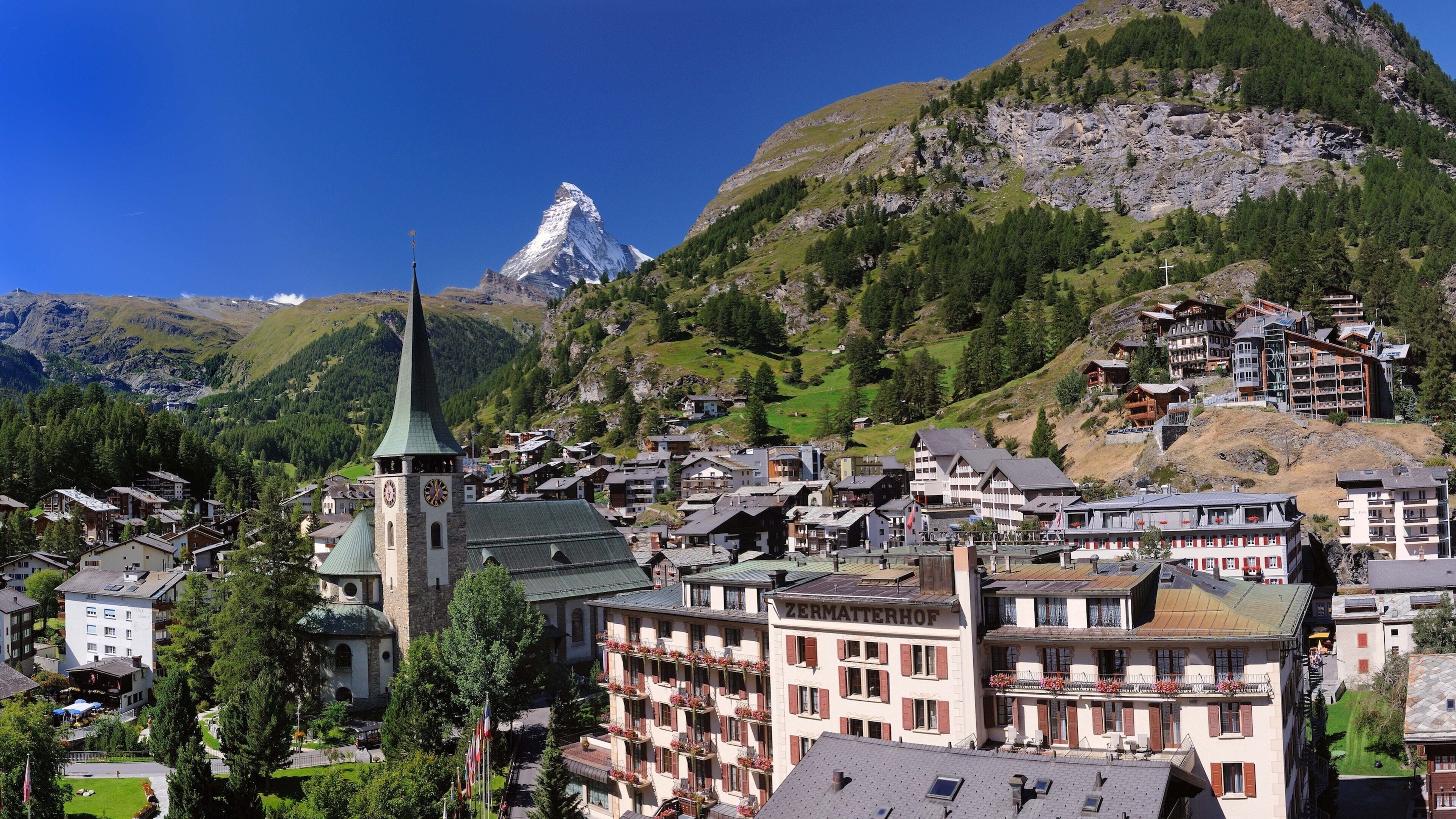
Located at 3,454 meters above sea level, Jungfraujoch is a high-alpine wonderland accessible by train and the new Eiger Express gondola. It is the highest railway station in Europe and offers snow and ice 365 days a year, which is a huge novelty for kids. Families can visit the Ice Palace, a series of tunnels carved directly into the glacier, featuring ice sculptures that you can walk through. The Sphinx Observatory provides 360-degree views of the Aletsch Glacier, the longest in the Alps, stretching for miles. There is also a Snow Fun Park in summer where you can go sledding or tubing without needing ski gear.
Chapel Bridge (Lucerne)

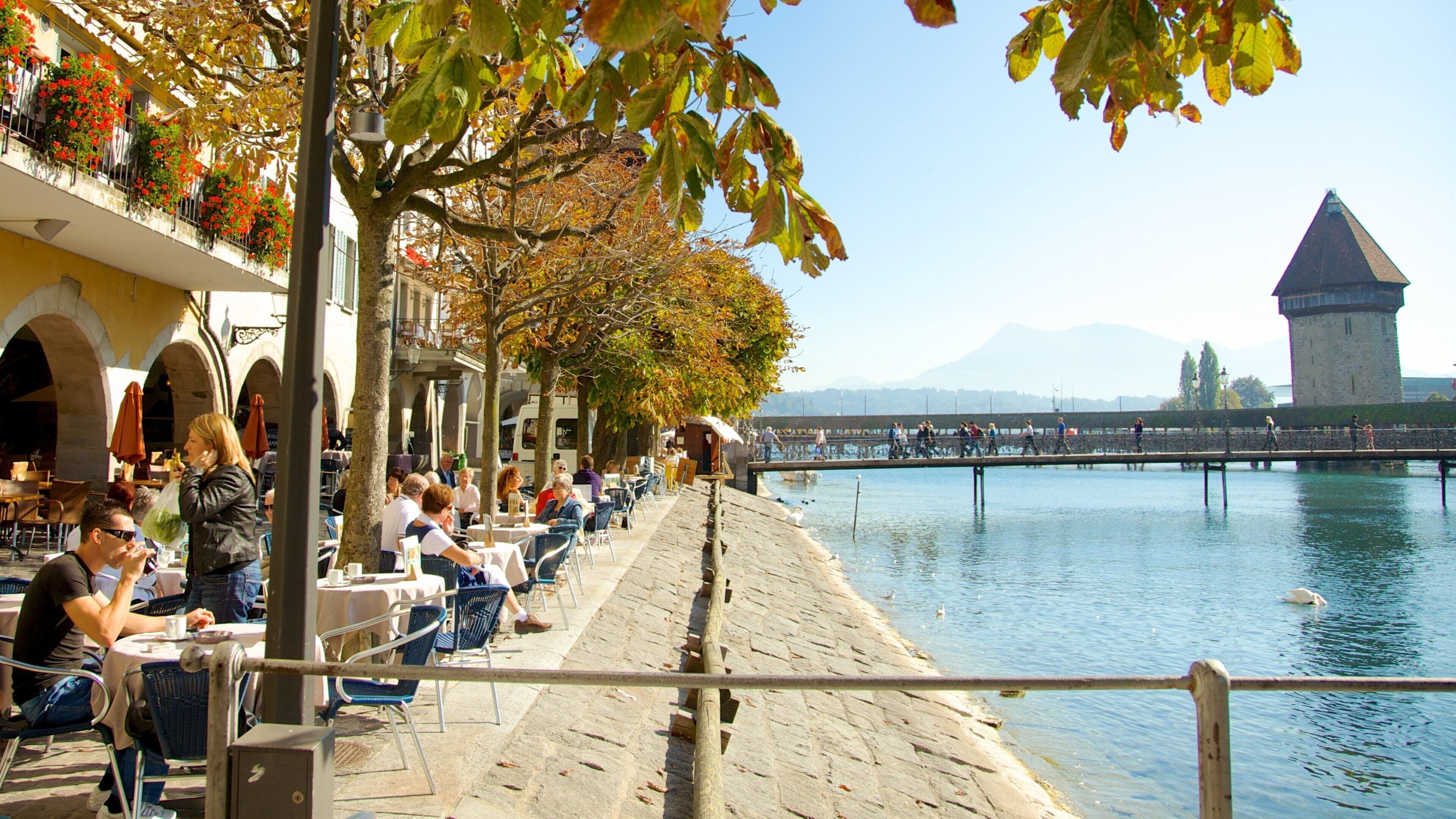
The Kapellbrücke (Chapel Bridge) is a covered wooden footbridge spanning the Reuss River and is the centerpiece of picturesque Lucerne. Built in the 14th century, it is adorned with interior triangular paintings that tell the history of the city, which older kids might find fascinating. Walking across the bridge leads you into the traffic-free Old Town, filled with fresco-painted buildings and chocolate shops. It is an easy, flat walk suitable for strollers and provides a great vantage point to feed the swans that gather in the river below. At night, the bridge is beautifully illuminated, making for a magical family evening stroll before dinner.
Must-See Landmarks in Switzerland
Swiss Chocolate Factories


No trip to Switzerland is complete without diving into its world-famous chocolate culture. The Lindt Home of Chocolate in Zurich features the world’s largest chocolate fountain and an interactive tour with unlimited tasting. Maison Cailler in Broc offers a sensory experience where you walk through the history of chocolate before entering a tasting room. These venues are incredibly family-friendly, often providing audio guides specifically for children.
Cheese Making in Gruyères
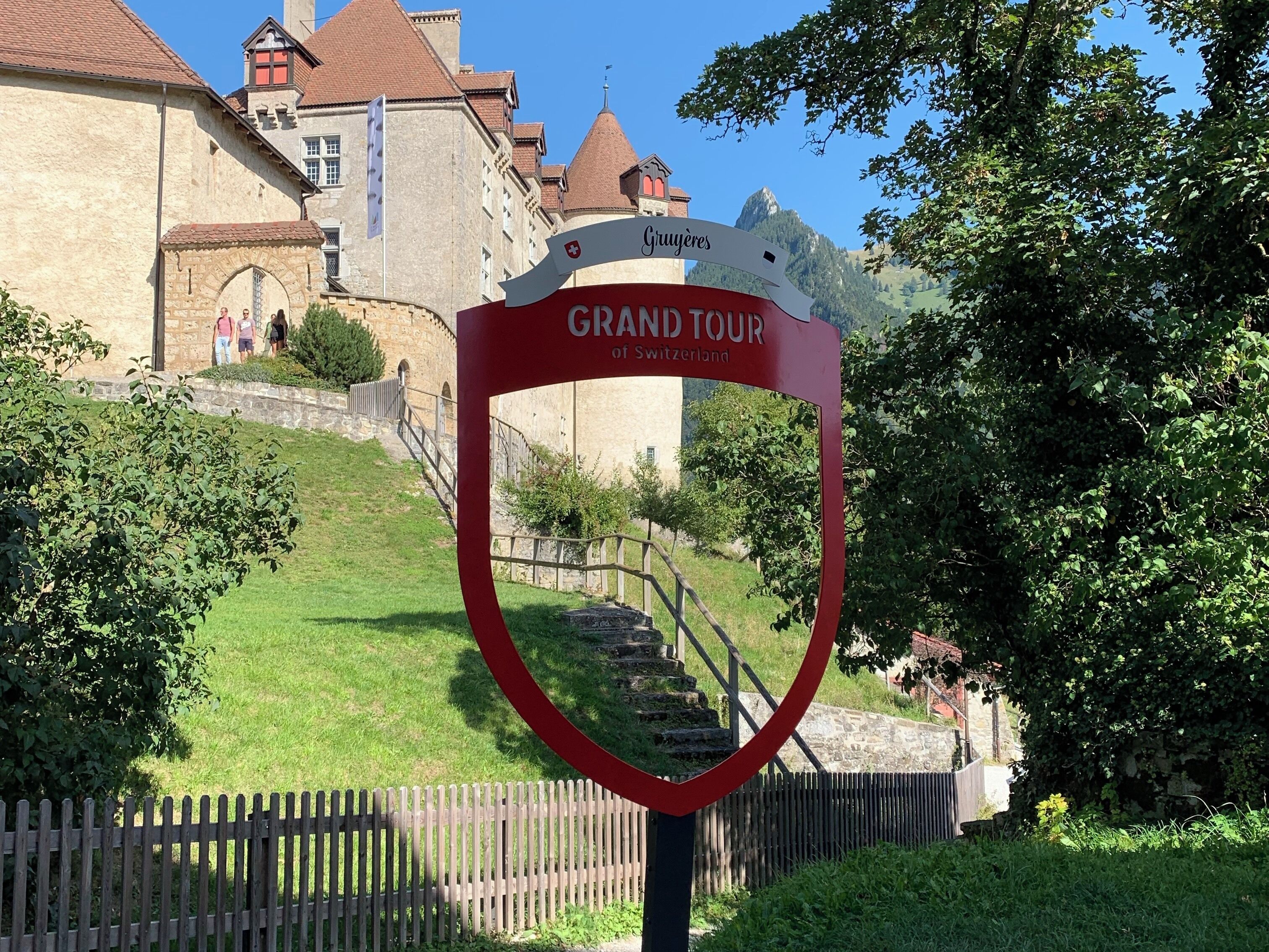
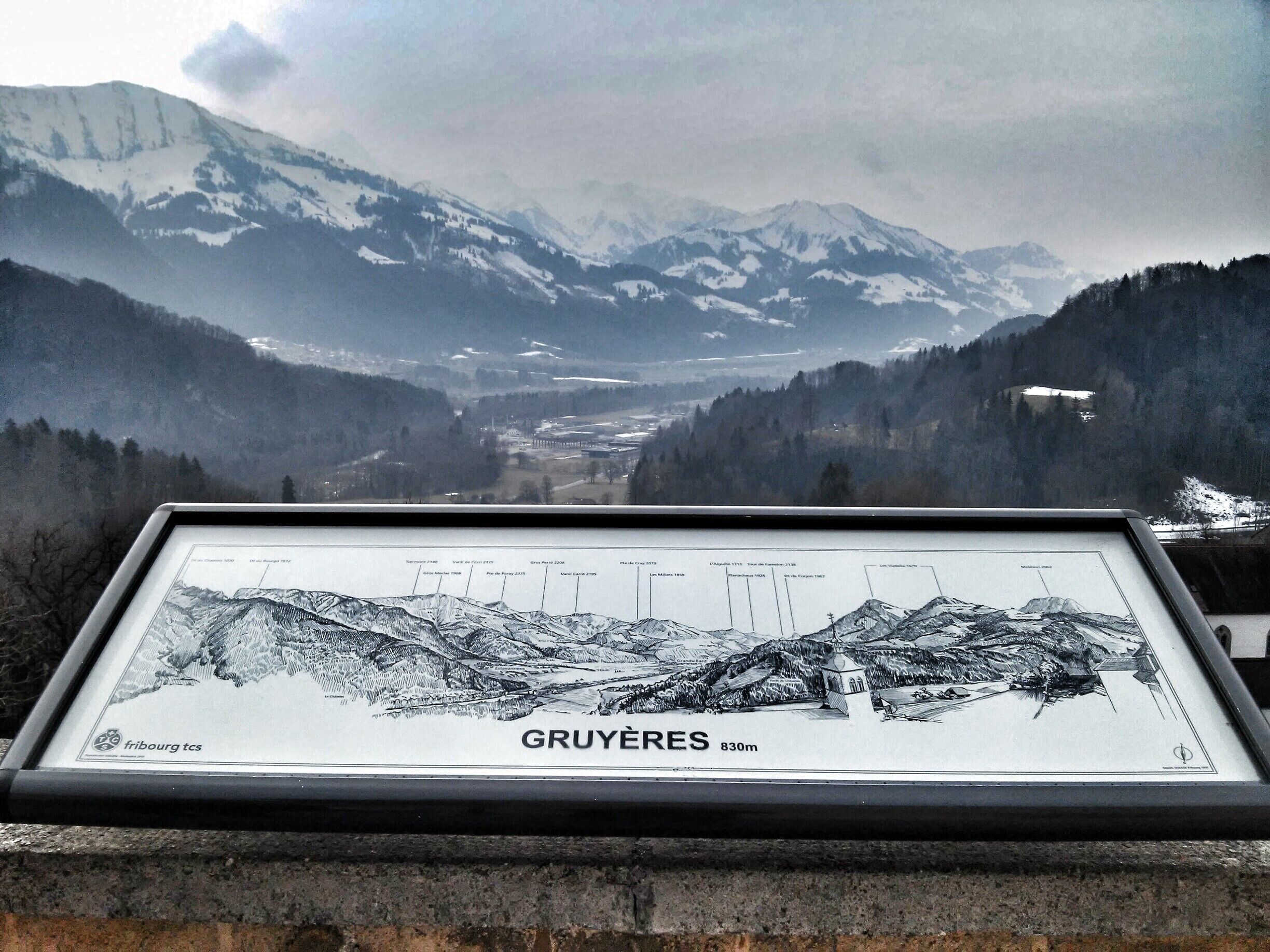
Visit the medieval town of Gruyères to see how the famous cheese is made at La Maison du Gruyère. Visitors can watch the cheesemakers at work from a gallery and smell the alpine milk being processed. Afterward, families can enjoy a traditional cheese fondue in the restaurant, a fun communal dining experience kids love. The nearby Gruyères Castle offers a scavenger hunt for children, making it a full day of culture and history.
Swiss Open-Air Museum Ballenberg


Located near Brienz, this massive open-air museum showcases over 100 historic buildings from all over Switzerland. It is a hands-on history lesson where kids can pet farm animals, watch traditional craft demonstrations like woodcarving, and explore old farmhouses. The park is vast and stroller-friendly, with plenty of picnic spots and horse-drawn carriage rides. It offers a glimpse into rural Swiss life centuries ago in a way that is engaging for young minds.
How NOT to Get Scammed in Switzerland?
Switzerland is one of the least corrupt and most honest countries in the world, so "scams" here are rare and usually mild compared to other destinations. The most common issue is not a scam but a "tourist trap" price, particularly for fondue or souvenirs near major landmarks like the Jungfraujoch or Chapel Bridge. Always check menu prices before sitting down, as some restaurants in prime locations charge exorbitant rates for mediocre food.
Be wary of "dynamic currency conversion" when paying with a credit card; always choose to pay in CHF (Swiss Francs) rather than your home currency to avoid poor exchange rates set by the payment terminal. In major cities like Zurich and Geneva, fake "petitions" signed by deaf-mute impersonators can occur; they ask for a signature and then aggressively demand a donation—simply ignore them and keep walking. Ticket resellers for trains do not exist in the same way as other countries; always buy your tickets from the official SBB app, machines, or ticket counters to ensure validity. Taxis can be incredibly expensive; while not a scam, the meter runs high, so use Uber where available or stick to the excellent public transport to save money.
Be careful with "free" gifts offered by street vendors, such as bracelets or rosemary sprigs, as accepting them will lead to a demand for payment. Rental car damages are scrutinized heavily, so take photos of every scratch on your vehicle before driving off the lot. Hotel booking sites that look official but are third-party aggregators can sometimes fail to pass on bookings; stick to known platforms or book direct. Overall, common sense is usually enough to stay safe, as the Swiss culture values honesty and rule-following.
Is it Safe in Switzerland?
Switzerland consistently ranks as one of the safest countries globally, making it an ideal destination for families with young children or solo parents. Violent crime is extremely rare, and you will see children as young as five walking to school or taking the bus alone, which speaks volumes about the local safety culture.
Public transportation stations are well-lit, monitored, and safe to use at any time of day or night. The biggest safety risks are actually environmental; the Alpine weather can change rapidly, turning a sunny hike into a dangerous storm within minutes. Always check the weather forecast and obey signs on hiking trails; if a trail is marked "closed," it is for a good reason, such as rockfall or avalanche risk. In cities, standard precautions apply—keep an eye on bags in crowded areas like the Basel Christmas Market or rush-hour trains, though pickpocketing is low compared to Paris or Rome. Tap water is safe to drink everywhere, including from the thousands of public fountains you will see in towns and villages (unless marked "Kein Trinkwasser").
Emergency medical care is world-class, but it is also very expensive for tourists, so comprehensive travel insurance is non-negotiable. Wildlife is generally not dangerous, but ticks can be found in forests up to 1500m, so do a tick check on kids after hiking in tall grass. Drivers in Switzerland respect pedestrian crossings religiously; however, always make eye contact before stepping out. Overall, the sense of security allows families to relax and give their children a bit more freedom than they might at home.
What to Pack for Switzerland?
Packing for Switzerland requires a strategy of "layers, layers, layers" regardless of the season you visit. Even in summer, temperatures at high altitudes (like Jungfraujoch or Zermatt) can drop below freezing, while the valleys can be sweltering hot. You should bring a waterproof and windproof outer shell jacket for everyone in the family, as mountain weather is unpredictable. Good quality, broken-in walking shoes or hiking boots are essential because you will be doing a lot of walking, even in cities which often have cobblestones.
For winter visits, thermal underwear, waterproof snow pants, warm gloves, and a beanie are mandatory for keeping kids happy in the snow. If you are visiting in summer, pack swimsuits for the lakes and hotels with pools, along with a sun hat and high-SPF sunscreen, as the UV rays are stronger at altitude. A power adapter is crucial; Switzerland uses the Type J plug (three-pronged hexagon), which is different from the rest of Europe (Type C/F), so a standard European converter might not fit recessed Swiss outlets.
Bring a refillable water bottle to save money and plastic, taking advantage of the free public fountains. Strollers should be sturdy; while cities are paved, a "travel stroller" with small wheels will struggle on gravel hiking paths—a carrier or backpack is better for mountain excursions. Don't forget basic medications and a small first-aid kit, as Swiss pharmacies are excellent but can be very expensive for simple items like ibuprofen or blister plasters. Finally, pack dressier casual clothes if you plan to dine in nicer restaurants, as the Swiss tend to dress neatly.
Daily Budget for Switzerland (Estimates)
Switzerland is expensive, but with careful planning, it provides incredible value for the quality of experience.
-
Budget Family (CHF 150-250/day per person): To stay in this range, you will rely on hostels (many have family rooms) or budget apartments and cook most meals. Lunch can be a picnic with supplies from Coop or Migros supermarkets, which is a delightful Swiss tradition. You will use the 2nd class Swiss Travel Pass extensively to avoid individual ticket costs.
-
Mid-Range Family (CHF 300-450/day per person): This budget allows for stays in 3-star family hotels or nice Airbnbs. You can eat out for one meal a day at casual restaurants (pizza, pasta, or simple Swiss dishes) and enjoy coffee and cake in the afternoons. It includes budget for paid mountain excursions with your half-fare discount.
-
Luxury Family (CHF 650+/day per person): Sky is the limit here. You can stay in 4 or 5-star wellness hotels with pools and kids' clubs. You will dine in top-rated restaurants, take private transfers or first-class trains, and book private guided tours or helicopter rides.
Typical Costs (2025/2026):
-
Coffee: CHF 5.00
-
Main course in a restaurant: CHF 25.00 - CHF 45.00
-
Cheese Fondue (per person): CHF 30.00
-
Hotel Night (Family Room, 3-star): CHF 250.00 - CHF 400.00
-
Liter of Gasoline: CHF 1.90
-
Swiss Travel Pass (8 days, 2nd class): ~CHF 420.00 (Adult)
Local Events
Planning your trip around these events can add magic to your vacation.
-
January: World Snow Festival (Grindelwald) – Artists from around the world carve giant sculptures from blocks of snow; free and amazing for kids.
-
February: White Turf (St. Moritz) – Horse racing on the frozen lake; a unique spectacle.
-
February/March: Basler Fasnacht (Basel) – Switzerland’s biggest carnival. The "Morgenstreich" starts at 4:00 AM with lights out and lanterns; very loud and colorful.
-
April: Sechseläuten (Zurich) – A spring festival where a snowman (Böögg) is burned to predict the weather; includes a children's parade.
-
April: Zermatt Unplugged – An acoustic music festival in the mountains; great vibe, often with family-friendly side events.
-
June: Art Basel – premier art show, good for older artistic teens.
-
July: Montreux Jazz Festival – World-famous music festival on Lake Geneva; free concerts are held in the parks and promenade.
-
August 1: Swiss National Day – Celebrated everywhere with fireworks, bonfires, and brunches on farms.
-
August: Street Parade (Zurich) – Massive techno parade; fun to watch from a distance, but very crowded and loud.
-
September: Cow Parades (Alpabzug) – Various locations (Appenzell, Entlebuch). Cows wearing flower crowns descend from the mountains; very traditional and family-oriented.
-
October: Swiss Indoors (Basel) – Top tier tennis tournament.
-
November/December: Christmas Markets (Montreux, Basel, Zurich) – The Montreux market features Santa flying his sleigh over the lake; Basel has the most traditional atmosphere.
Booking Links & Local Favorites
Top Family Hotels
-
Märchenhotel Braunwald -
Review: "This place is not a hotel, it's a paradise. The kids were gone for hours playing while we enjoyed the spa. The dinner is gourmet even with toddlers around." – Sarah, UK
-
-
Swiss Holiday Park -
Review: "We stayed 4 nights and didn't leave the property once. The pool complex is better than most public water parks." – Jonas, Germany
-
-
Hotel Gletschergarten -
Review: "Authentic Swiss charm. They had a sled ready for us when we arrived and the view of the Eiger is unreal." – Mike, USA
-
Best Family Restaurants
-
Zeughauskeller -
Review: "Fast service, huge portions, and nobody cares if your kids are a bit noisy. The potato salad is legendary."
-
-
Piz Gloria -
Review: "Expensive, but eating a burger while the Eiger rotates past your window is a once-in-a-lifetime meal."
-
-
Restaurant Old Swiss House -
Review: "We treated our kids to a fancy dinner here. The staff treated them like little princes. The schnitzel is worth the hype."
-
Local Transportation & Maps
While we cannot generate a dynamic map, here are the essential routes you should visualize:
Route 1: The GoldenPass Line (Lucerne to Montreux)
-
Stops: Lucerne -> Interlaken -> Zweisimmen -> Montreux.
-
Description: Connects central Switzerland to Lake Geneva. The train changes from standard to panoramic coaches. It passes lakes, high alpine passes, and vineyards.
Route 2: The Glacier Express (Zermatt to St. Moritz)
-
Stops: Zermatt -> Andermatt -> Chur -> St. Moritz.
-
Description: Known as the "slowest express train in the world." An 8-hour journey through 91 tunnels and across 291 bridges.
Route 3: Urban Zurich
-
Transport: Trams and S-Bahn.
-
Description: Use the ZVV network. Trams run every 7 minutes. From the airport to the main station (HB) is just 10 minutes by train.
FAQ about Transport:
-
Q: Do I need to book seats? A: Only for panoramic trains like the Glacier Express. Regular trains do not require reservations.
-
Q: Is there a map app? A: Download SBB Mobile. It maps your route, shows platforms, and holds your tickets.
Frequently Asked Questions (FAQ)
-
Do people speak English in Switzerland? Yes, the level of English is very high, especially in tourist areas. You will have no trouble communicating in hotels, restaurants, and train stations.
-
Is Switzerland stroller friendly? Mostly yes. Cities and lake promenades are perfect. Trains have low-floor entries. However, historic "Old Towns" have cobblestones, and some mountain paths are gravel. Bring a rugged stroller or a carrier.
-
Can I drink the tap water? Absolutely. Swiss tap water is mineral water quality. You can also drink from almost any public fountain unless it has a sign saying "Kein Trinkwasser" (No drinking water).
-
Do I need to tip? Service is included in the price. Tipping is not mandatory. However, rounding up the bill or leaving 5-10% for excellent service is appreciated.
-
What currency is used? Switzerland uses the Swiss Franc (CHF), not the Euro. While some places accept Euros, the exchange rate will be poor. Use your card or withdraw CHF.
-
Are shops open on Sundays? Generally, no. Most shops are closed on Sundays. The exceptions are shops in major train stations (Zurich HB, Lucerne, Geneva) and airports, which remain open 365 days a year.
-
Is the Swiss Travel Pass worth it? For families planning to move around a lot and visit mountains, yes. The convenience of hopping on any train plus the museum entries and mountain discounts usually outweighs the cost.
-
What is the voltage for electronics? 230V. The plugs are Type J. Standard European Type C (two pins) often fit, but the thick Type F (Schuko) plugs do not. Bring an adapter.
-
Can I buy baby formula and diapers easily? Yes. Supermarkets like Coop and Migros stock major brands (Pampers, Aptamil, Hipp). Note that pharmacies (Apotheke) also sell baby food but are more expensive.
-
What happens if I get sick? Go to a pharmacy first; pharmacists are highly trained. For emergencies, dial 144. Hospitals will require upfront payment or proof of insurance from non-residents.
Switzerland is more than just a destination; it is the gold standard for family travel. It removes the friction of traveling with kids—the delays, the safety concerns, the logistical headaches—and replaces them with efficient adventure. Whether you are watching your children learn to ski in the shadow of the Matterhorn, eating fresh chocolate in a factory, or simply riding a train through a landscape that looks like a painting, you are building memories that will last a lifetime.
The cost is an investment in a stress-free, high-quality experience that few other countries can match. With the right planning and the constant connectivity of eSIMlii, your Swiss family vacation will be the best one you have ever taken.
Stay connected on your Swiss adventure. Get your