Top Things to Do in Tokyo: The Ultimate Travel Guide


Tokyo is a city where centuries-old traditions coexist seamlessly with cutting-edge technology, neon-lit streets, and world-class cuisine. From ancient temples tucked between skyscrapers to futuristic observation decks overlooking endless city lights, Japan’s capital offers an experience unlike anywhere else in the world.
In this eSIMlii Tokyo travel guide, we explore the top things to do in Tokyo, diving deeper into each major attraction so you know exactly what to expect. Whether it’s your first visit or a return trip, this guide helps you plan smarter — and stay connected every step of the way with a Japan eSIM from eSIMlii.
Why Tokyo Is Best Explored With an eSIM


Tokyo runs on digital convenience. Navigation apps, mobile ticketing, online reservations, translation tools, and cashless payments are part of everyday travel. Without reliable internet, even simple tasks like finding the correct train platform can become stressful.
Using eSIMlii’s Japan eSIM means you’re connected the moment you land. There’s no need to hunt for Wi-Fi or queue for SIM cards at the airport — simply activate your eSIM and start exploring Tokyo with confidence.
Must-See Landmarks in Tokyo
Tokyo’s landmarks reflect the city’s layered history, from ancient religious sites to imperial remnants that shaped modern Japan. Exploring these locations helps travelers understand how Tokyo evolved from a small fishing village into one of the world’s most influential cities.
These landmarks are not isolated monuments but living parts of everyday life. Locals continue to worship, walk, and gather in these spaces, which gives visitors a rare opportunity to observe tradition and modern life side by side.
Because many of Tokyo’s landmarks are spread across different neighborhoods, planning your route efficiently is important. Having mobile internet access allows you to navigate transit connections and opening hours with ease.
Below are three essential landmarks that offer cultural depth, historical significance, and memorable first impressions of Tokyo.
Sensō-ji Temple (Asakusa)


Sensō-ji is Tokyo’s oldest and most iconic Buddhist temple, originally founded in the 7th century. The approach to the temple begins at the famous Kaminarimon (Thunder Gate), followed by Nakamise Street — a lively shopping avenue lined with traditional snacks, souvenirs, and crafts.
Beyond the bustling entrance, the temple grounds offer a more reflective atmosphere. Visitors often take part in incense rituals and draw fortune papers, making Sensō-ji not just a sightseeing stop but a cultural experience deeply rooted in Tokyo’s history.
Meiji Shrine (Harajuku)

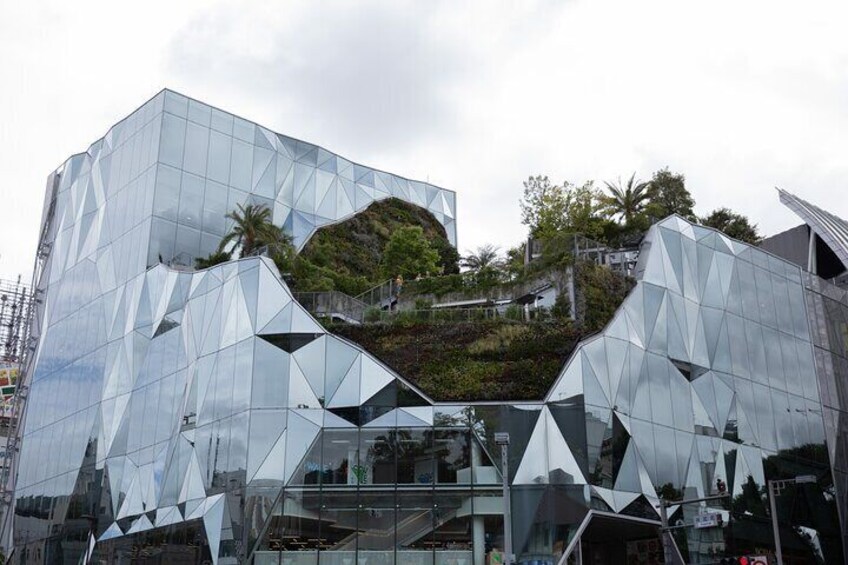
Meiji Shrine is dedicated to Emperor Meiji and Empress Shōken and is set within a vast forested area in the heart of the city. Walking through the towering torii gates instantly transports you away from the surrounding urban energy.
The shrine is an active place of worship and a popular location for traditional Shinto weddings. Seasonal events and ceremonies throughout the year give visitors a chance to observe authentic Japanese religious practices in a serene environment.
Imperial Palace & East Gardens
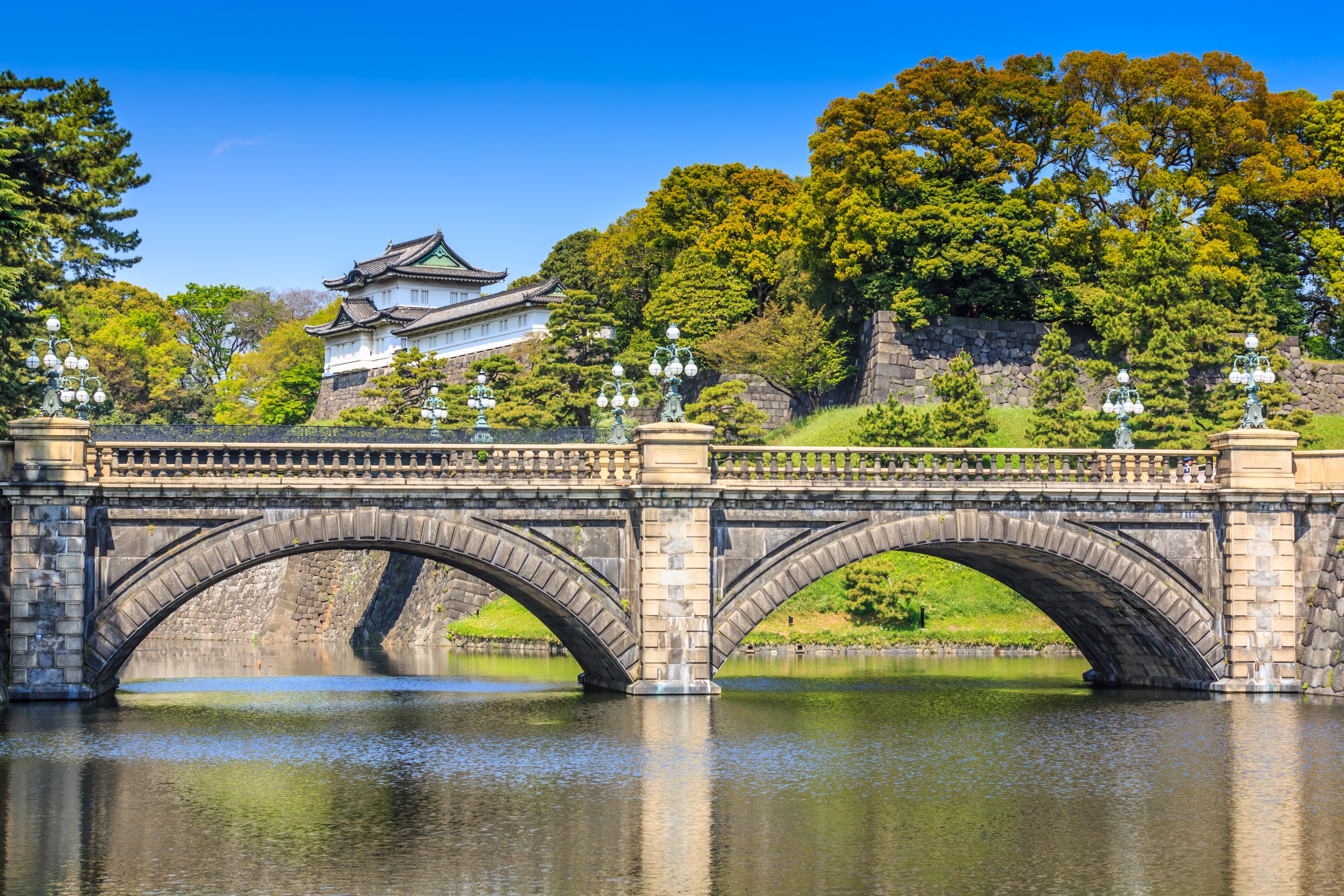
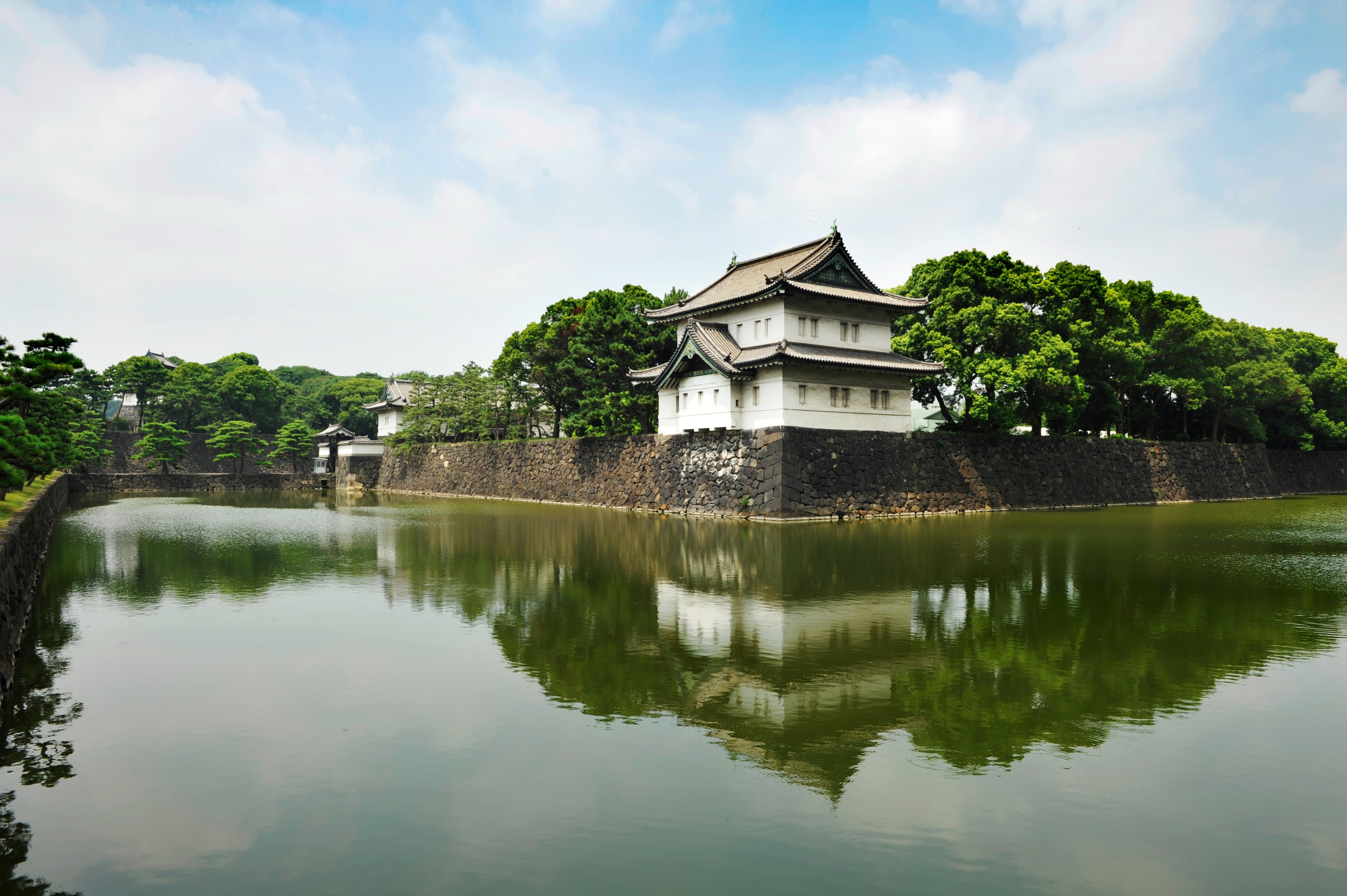
The Imperial Palace stands on the former site of Edo Castle and serves as the residence of Japan’s Imperial Family. While the inner grounds are closed to the public, the East Gardens are open year-round and free to enter.
These gardens blend historical ruins with carefully landscaped greenery, making them ideal for a peaceful stroll. Informational signs throughout the area provide insight into Tokyo’s transformation from feudal capital to modern metropolis.
Tokyo’s Best City Views & Modern Attractions
Tokyo’s skyline is constantly evolving, shaped by bold architecture and advanced engineering. Viewing the city from above offers a powerful sense of its scale, density, and energy.
Modern observation decks and towers are designed not only for views, but for experiences. Many combine art, dining, and entertainment, turning a simple viewpoint into a destination.
Timing plays a major role when visiting these attractions. Sunset and nighttime visits are especially popular, and online reservations are often required.
With reliable mobile data, travelers can book tickets, check weather conditions, and plan visits around the best visibility times.
Tokyo Skytree


Rising high above the city, Tokyo Skytree is the tallest structure in Japan and one of the tallest towers in the world. Its observation decks provide sweeping 360-degree views that stretch across Tokyo and, on clear days, as far as Mount Fuji.
The Skytree complex also includes shopping centers, restaurants, and an aquarium, making it easy to spend several hours in the area. Visiting around sunset offers a particularly memorable transition from daylight to Tokyo’s glowing nighttime skyline.
Shibuya Crossing & Shibuya Sky

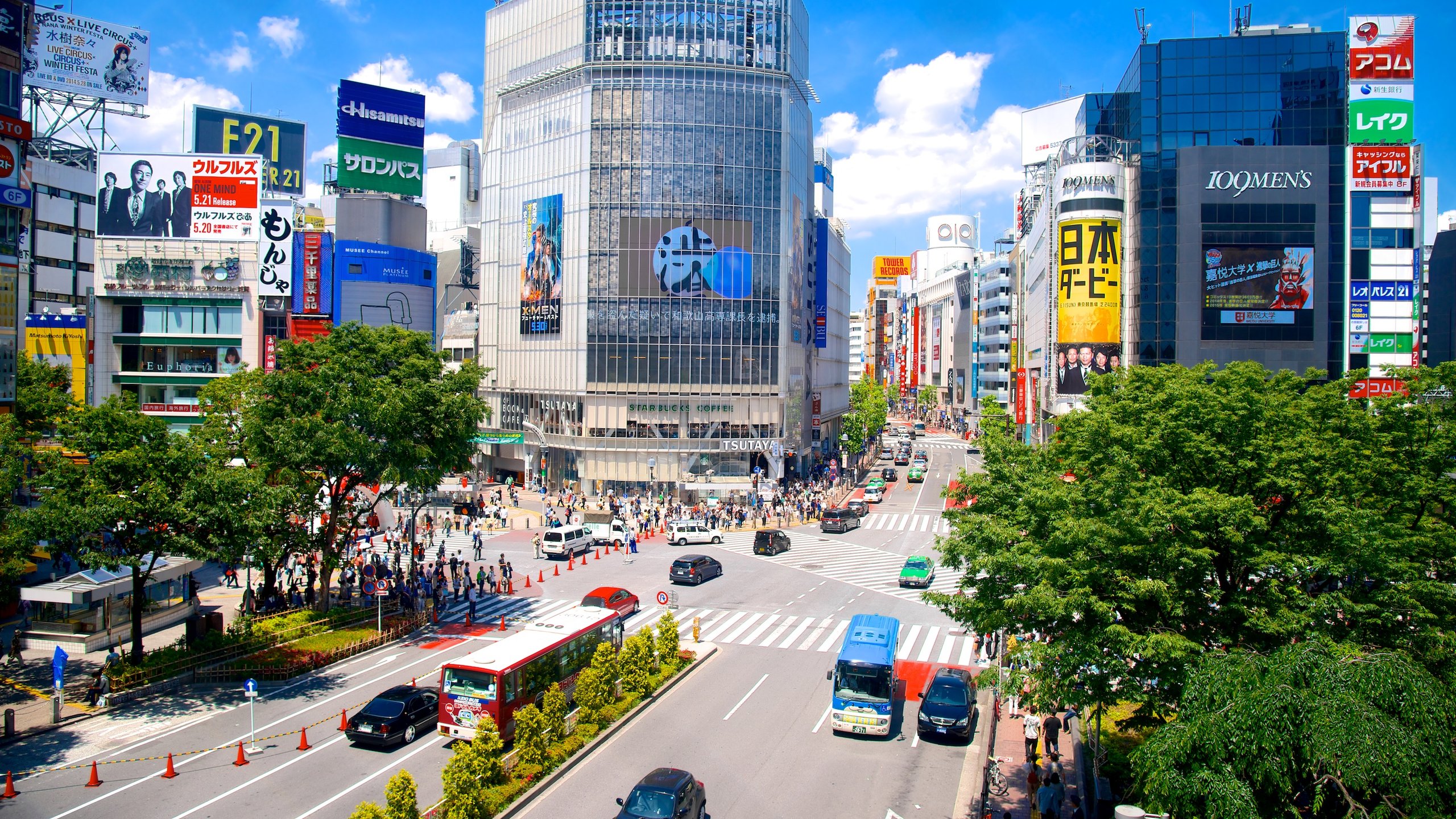
Shibuya Crossing is often described as the busiest pedestrian intersection in the world. Watching hundreds of people cross simultaneously from above is a uniquely Tokyo experience and a symbol of the city’s constant movement.
Just steps away, Shibuya Sky offers a rooftop observation deck with unobstructed views of the city. The open-air design and glass floors make it one of Tokyo’s most impressive modern viewpoints, especially after dark.
Tokyo Tower

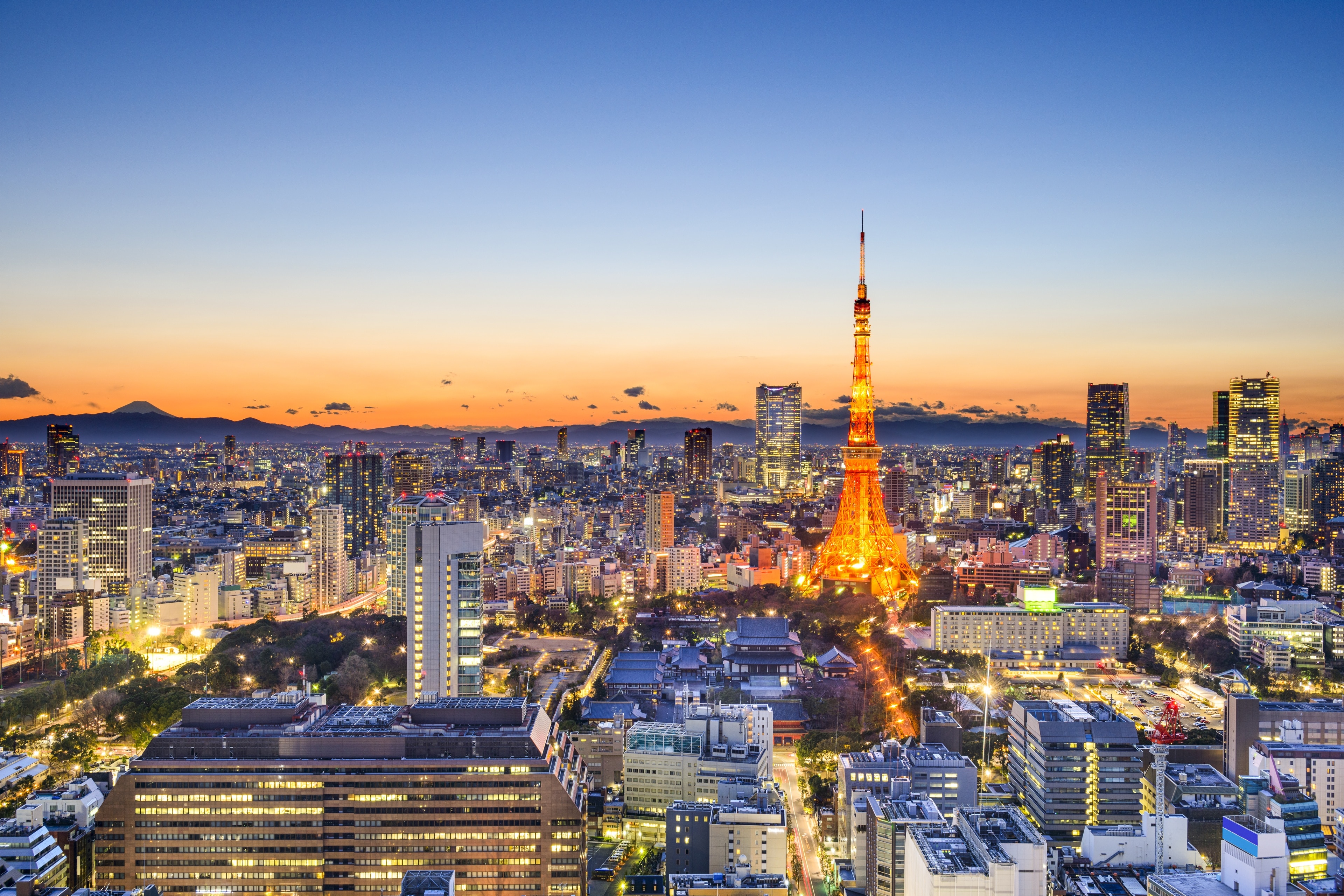
Inspired by Paris’s Eiffel Tower, Tokyo Tower has been a city landmark for decades. Its bold red-and-white design stands out against the skyline and carries a nostalgic charm that contrasts with Tokyo’s newer structures.
The tower features observation decks, exhibitions, and seasonal light displays. At night, the illuminated tower offers excellent photo opportunities and a romantic view of the surrounding neighborhoods.
Cultural Experiences You Shouldn’t Miss


Tokyo offers countless ways to engage with Japanese culture beyond sightseeing. Participating in traditional experiences allows visitors to understand the values, aesthetics, and etiquette that shape daily life in Japan.
Many of these cultural activities emphasize balance, mindfulness, and respect for nature. They provide a slower pace that contrasts with Tokyo’s fast-moving urban environment.
Cultural experiences are available year-round, but availability and formats may change seasonally. Advance planning helps ensure you can participate in the experiences that interest you most.
Staying connected makes it easy to find workshops, check schedules, and navigate to locations that are often tucked away in quieter neighborhoods.
Traditional Japanese Gardens
Tokyo’s gardens showcase refined landscape design, blending water features, stone paths, and seasonal plants. Places like Shinjuku Gyoen and Rikugien provide a slower pace compared to the busy streets outside.
Each garden highlights different seasonal beauty — cherry blossoms in spring, lush greenery in summer, vibrant foliage in autumn, and peaceful scenery in winter. They are ideal for photography and quiet reflection.
Tea Ceremonies & Cultural Workshops
Participating in a tea ceremony offers insight into Japanese values such as harmony, respect, and mindfulness. These ceremonies emphasize precision, etiquette, and appreciation for the moment.
Other workshops, including calligraphy, kimono dressing, and flower arrangement, allow travelers to engage hands-on with Japanese traditions and gain a deeper cultural understanding.
Anime, Technology & Pop Culture Hotspots
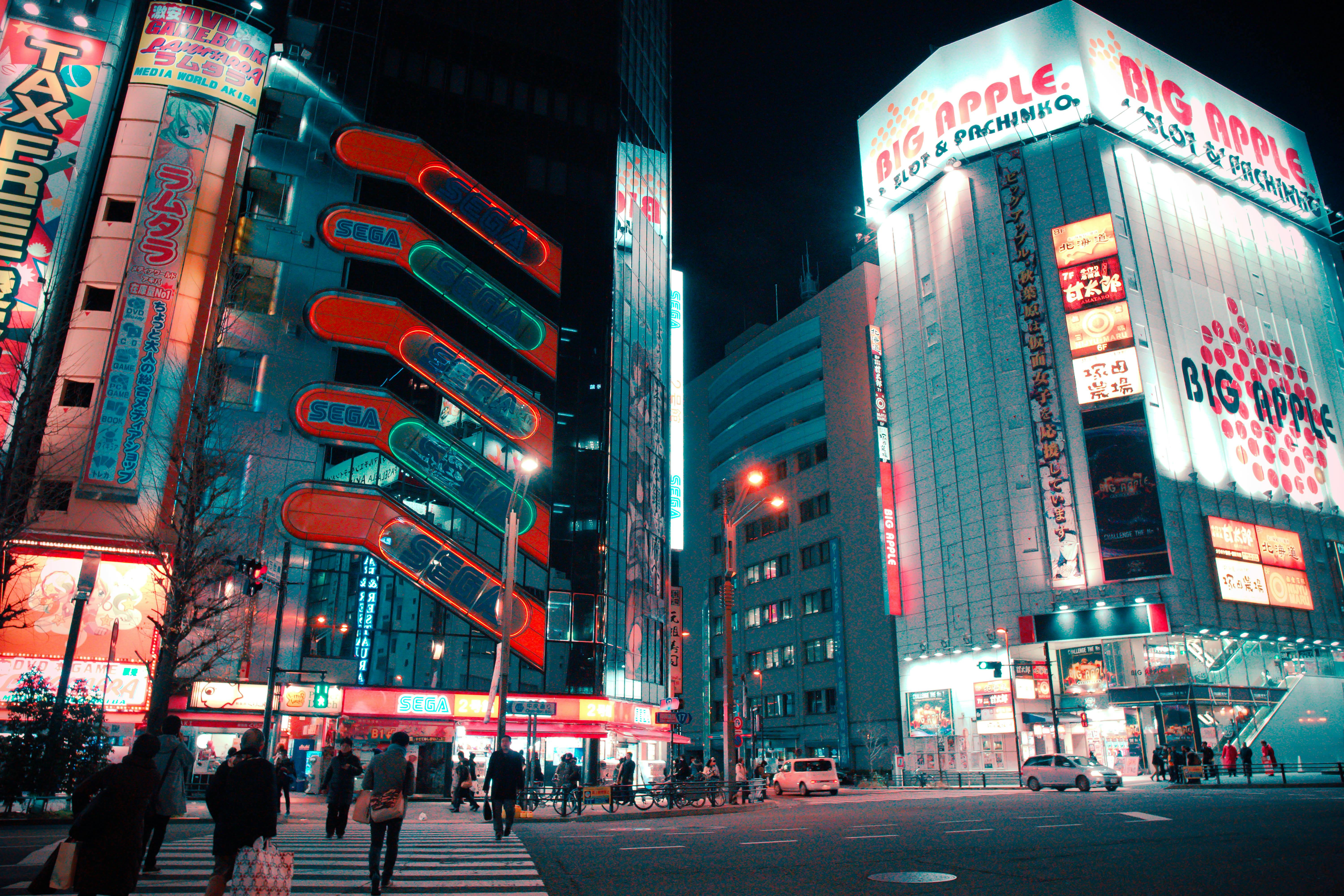
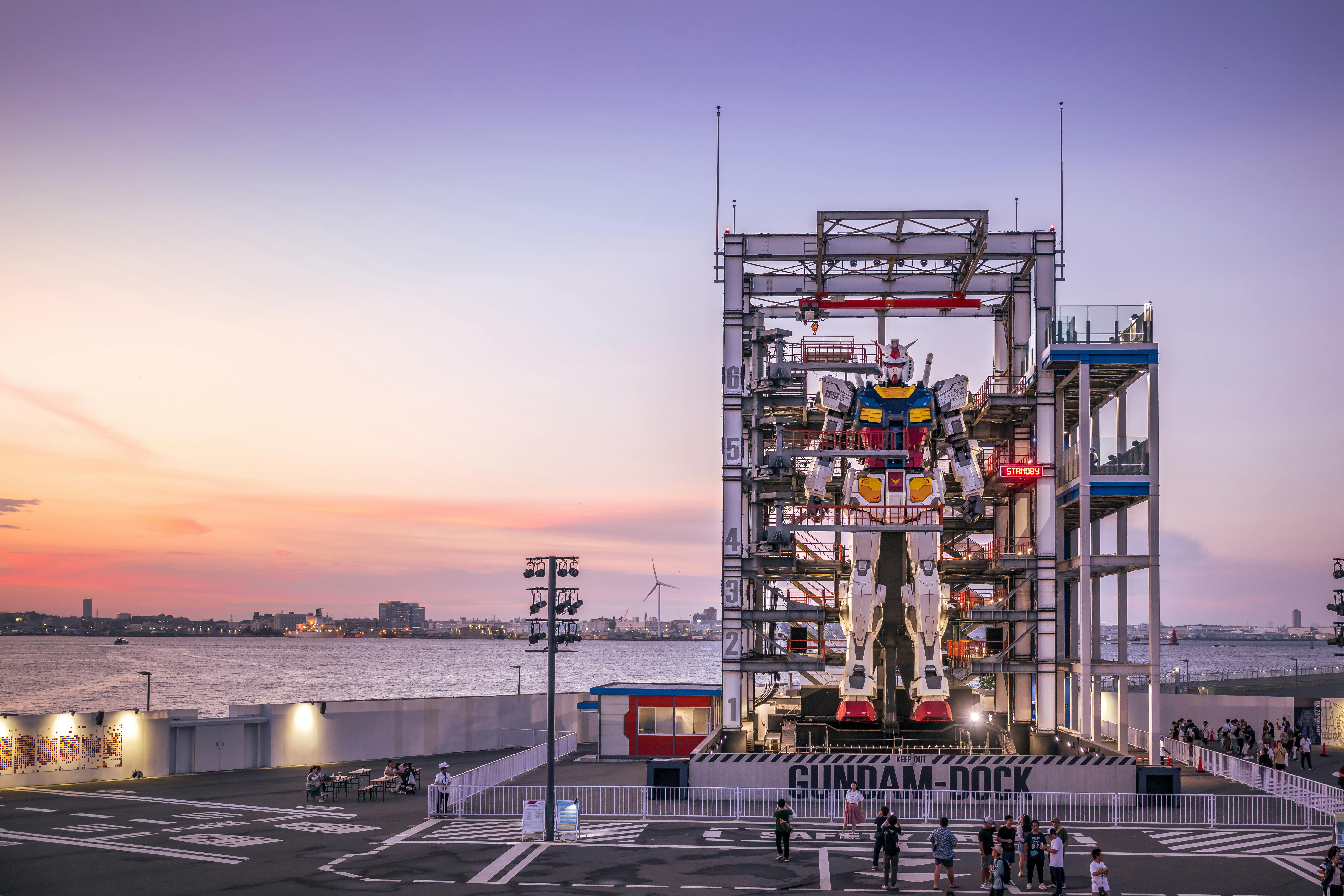
Tokyo is a global hub for anime, gaming, and technological innovation. These pop culture districts highlight the creative side of the city and attract visitors from around the world.
Even travelers unfamiliar with Japanese pop culture often find these areas fascinating due to their energy, visuals, and unique experiences. Bright signage, themed cafés, and interactive attractions define these neighborhoods.
Many pop culture spots are busiest in the evenings and on weekends. Planning visits during off-peak hours can make the experience more enjoyable.
Mobile connectivity is especially useful here for finding specific shops, booking tickets, and navigating dense commercial areas.
Akihabara Electric Town
Akihabara is the epicenter of anime, gaming, and electronics culture in Tokyo. Multi-story stores sell everything from retro games to cutting-edge gadgets, while themed cafés add to the district’s unique atmosphere.
Even visitors unfamiliar with anime find Akihabara fascinating due to its energy and creativity. Arcades, collectible shops, and neon signs make it one of Tokyo’s most visually striking areas.
teamLab Digital Art Museums
teamLab’s exhibitions combine art, technology, and interactivity to create immersive environments. Visitors walk through digital installations where light, sound, and motion constantly evolve.
These exhibitions are popular and often sell out, so advance booking is recommended. The experience appeals to all ages and offers a modern contrast to Tokyo’s historical attractions.
Ghibli Museum (Mitaka)
The Ghibli Museum celebrates the world of Studio Ghibli, showcasing original sketches, short films, and imaginative exhibits. The building itself feels like stepping into an animated story.
Tickets must be purchased in advance and are limited, adding to the museum’s exclusivity. For fans of Japanese animation, it’s one of the most memorable experiences in Tokyo.
Seasonal Experiences in Tokyo
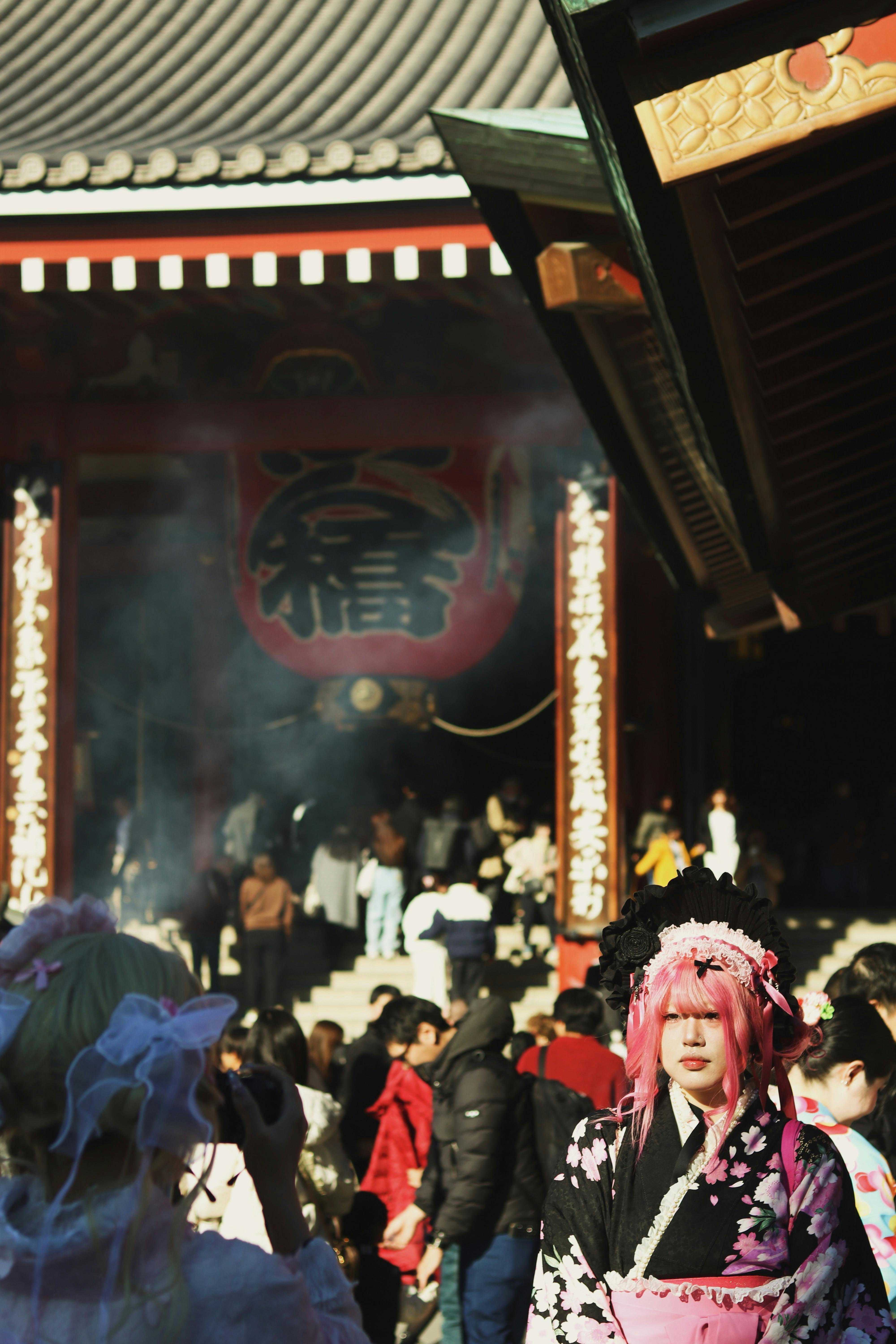
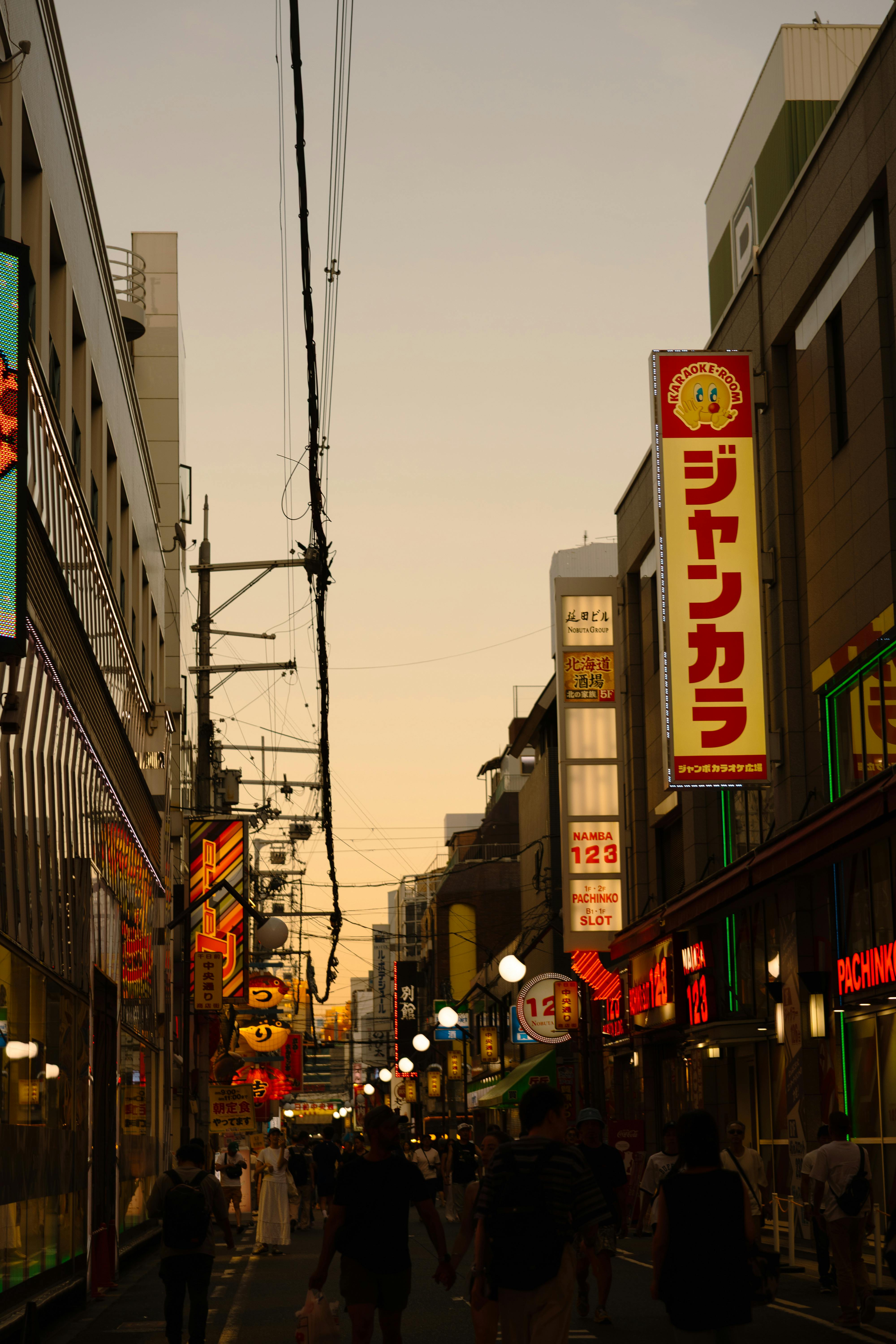
Tokyo changes dramatically with the seasons, offering different experiences throughout the year. Seasonal travel allows visitors to see the city in constantly evolving colors and atmospheres.
Each season brings its own festivals, foods, and traditions. Understanding these seasonal highlights can help you choose the best time to visit based on your interests.
Popular seasons attract large crowds, making early planning essential. Transportation, accommodations, and attractions often book quickly.
Having mobile data ensures you can monitor weather conditions, crowd levels, and event schedules in real time.
Cherry Blossom Season (Late March – Early April)
Cherry blossom season transforms Tokyo into a city of soft pink landscapes. Parks, riversides, and temple grounds become gathering spots for hanami picnics and evening illuminations.
Because this is Tokyo’s busiest travel season, planning ahead is essential. Staying connected with a Japan eSIM from eSIMlii helps secure reservations and navigate crowded areas efficiently.
Autumn Colors (November)
Autumn brings cooler temperatures and vibrant foliage to Tokyo’s gardens and parks. The red and gold leaves create a calm, picturesque atmosphere across the city.
This season is less crowded than spring, making it ideal for travelers who prefer a relaxed pace while still enjoying stunning natural scenery.
Easy Day Trips From Tokyo
One of Tokyo’s greatest advantages is its proximity to diverse destinations that can be visited in a single day. High-speed trains and efficient rail lines make exploring beyond the city simple. Each destination has its own unique attractions, culture, and scenery, making them perfect for family-friendly adventures.
Having reliable mobile connectivity is essential for planning and navigating these trips. With a Japan eSIM from eSIMlii, you can access train schedules, maps, and local tips in real time — ensuring a smooth and enjoyable experience for the whole family.
Below are three top day-trip destinations from Tokyo, with detailed highlights, sub-attractions, and tips for a memorable visit.
Nikko
Nikko is one of Japan’s most spiritually significant destinations, located about two hours north of Tokyo. The area is surrounded by lush mountains and cedar forests, providing a peaceful escape from the city. Its UNESCO World Heritage–listed shrines and temples offer both cultural depth and scenic beauty, ideal for families who enjoy history and nature.
Shinkyo Bridge, the iconic red bridge over the Daiya River, is a must-see photo opportunity and a starting point for exploring the region. Nearby, Rinno-ji Temple provides serene gardens and historic architecture that are easy for children and adults to enjoy. Toshogu Shrine, with its elaborate carvings and gold accents, tells the story of Tokugawa Ieyasu and the Tokugawa shogunate in a visually engaging way.
For nature lovers, Kegon Falls and Lake Chuzenji offer spectacular scenery and easy walking paths suitable for families. Whether it’s a short stroll or a picnic, the area blends cultural sightseeing with outdoor activities. Staying connected with a Japan eSIM from eSIMlii ensures you can check walking routes, shuttle buses, and weather updates effortlessly.
Nikko is easy to explore as a day trip, but staying overnight provides a deeper experience with traditional ryokan accommodations and local cuisine, enhancing the charm and enjoyment for family travelers.
Hakone
Hakone is famous for its hot springs, scenic views, and access to Mount Fuji. Less than two hours from Tokyo, it’s a family-friendly destination that combines relaxation with sightseeing. The area offers a mix of natural beauty, cultural attractions, and fun activities suitable for all ages.
The Hakone Round Course provides a memorable travel experience with trains, cable cars, ropeways, boats, and buses. Along the route, visitors can see Owakudani Valley, where volcanic steam vents create a unique landscape. The area is also known for black eggs boiled in sulfuric hot springs — a fun cultural experience for kids and adults alike.
Lake Ashi Cruise offers panoramic views of Mount Fuji on clear days, and Hakone Shrine, with its iconic torii gate in the lake, is perfect for family photos. The Hakone Open-Air Museum combines art and outdoor play, with sculptures and interactive exhibits that engage children while adults enjoy the artwork.
onsen after a day of sightseeing is both relaxing and culturally immersive. Using a Japan eSIM from eSIMlii makes it easy to check transportation, museum hours, and local attractions throughout your visit.
Kamakura
Kamakura is a historic coastal city about one hour south of Tokyo, known for its temples, shrines, and serene beaches. Once the political center of Japan during the Kamakura period, the city is filled with landmarks that are accessible and engaging for families.
The Great Buddha (Daibutsu) is the highlight for many visitors, with the option to explore inside the statue. Hasedera Temple offers gardens, seasonal flowers, and panoramic views of the coastline. Families can enjoy walking trails connecting bamboo groves and other smaller temples, making it an easy and educational exploration.
Hachimangu Shrine and Tsurugaoka Hachimangu are vibrant shrines hosting seasonal festivals and cultural events that are entertaining and informative. Komachi Street, lined with shops selling local snacks and souvenirs, provides an easy introduction to Japanese cuisine and shopping for children and adults alike.
For a leisurely finish, Kamakura’s beaches provide space to relax, play, or enjoy local seafood. With mobile connectivity via a Japan eSIM from eSIMlii, families can navigate walking paths, discover hidden temples, and plan their return trip to Tokyo with ease.
Getting Around Tokyo With Ease
Tokyo’s transportation system is one of the most efficient in the world, but it can feel overwhelming at first. Multiple train operators, subway lines, and station layouts require careful navigation.
Digital tools play a crucial role in making transportation manageable. Route planners, real-time updates, and digital transit cards simplify daily travel.
Internet access is especially important during peak hours, service changes, or unexpected delays. Staying connected helps prevent costly mistakes and wasted time.
With a Japan eSIM from eSIMlii, travelers can confidently navigate trains, buses, and subways while staying connected throughout their journey.
Why Travelers Choose eSIMlii for Japan
Modern travel demands flexibility and reliability. eSIMlii offers fast, affordable data without the hassle of physical SIM cards or roaming charges. From arrival to departure, eSIMlii keeps you connected so you can focus on experiencing Tokyo — not troubleshooting connectivity.
Frequently Asked Questions
Is Tokyo easy for first-time visitors?
Yes. Clear signage, helpful locals, and navigation apps make Tokyo approachable even for first-time travelers.
How many days should I spend in Tokyo?
Most visitors spend between 4 and 7 days to experience major attractions and local neighborhoods.
Do I need internet access in Tokyo?
Yes. Internet access is essential for maps, reservations, and transportation updates.
Stay Connected in Tokyo With eSIMlii
Planning your Tokyo adventure? Choose a Japan eSIM from eSIMlii for fast, reliable mobile data and explore the city without limits.