Top Things to Do in Egypt | Ultimate Family-Friendly Travel Guide + Egypt eSIM


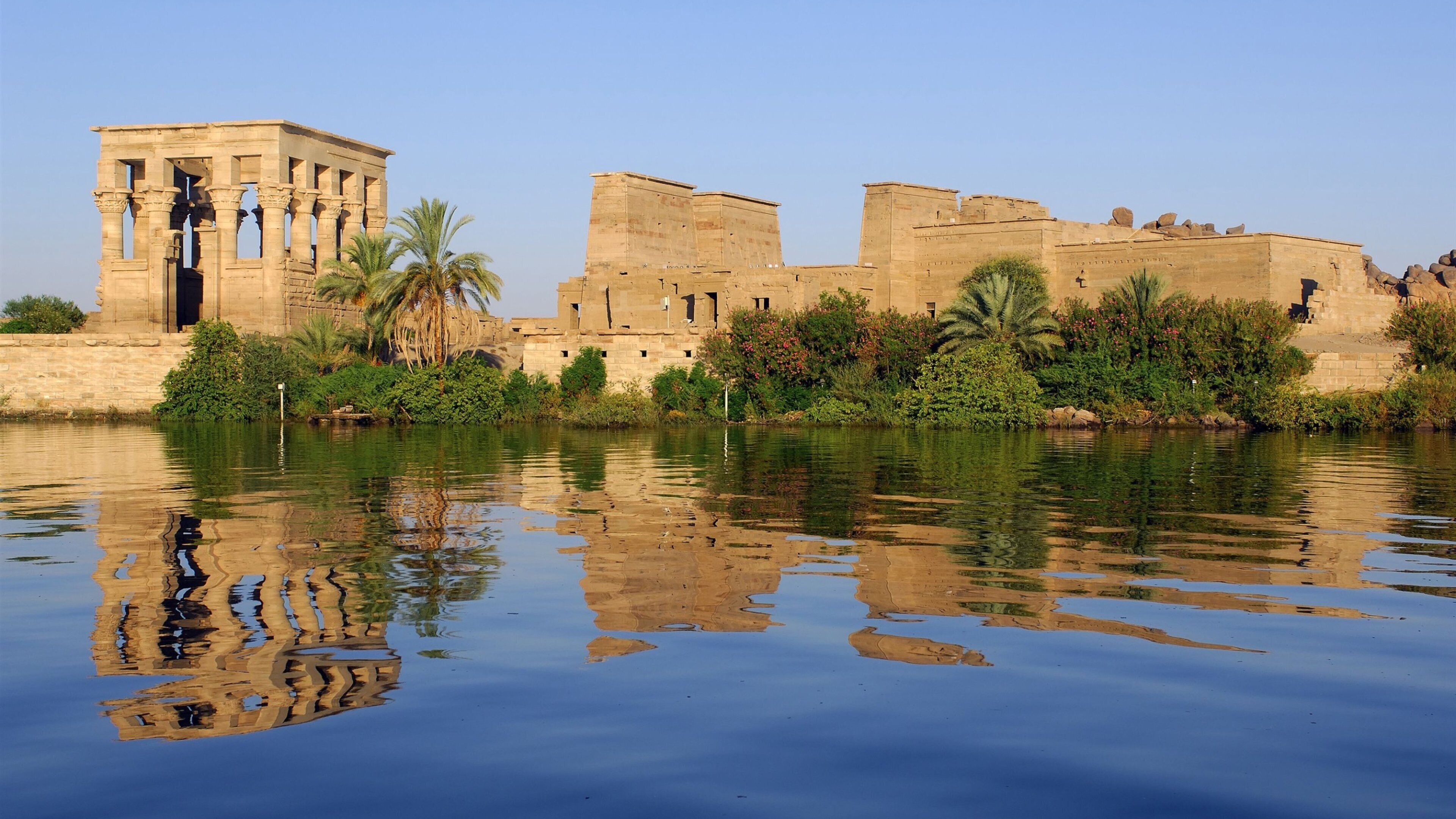
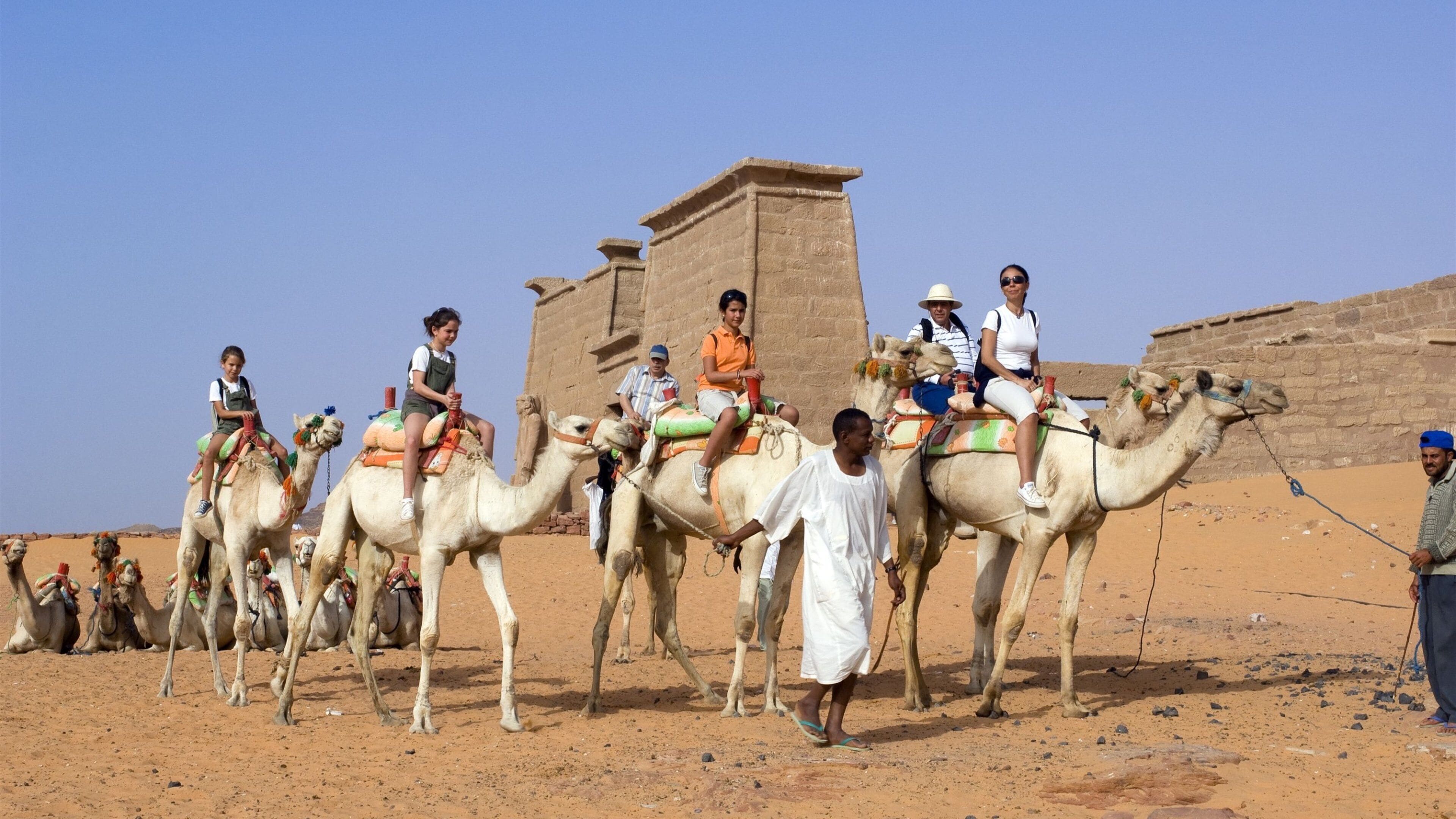
Egypt is a destination that transforms history books into reality, offering families an immersive journey through time that no classroom can match. From the colossal Pyramids of Giza that have stood watch for millennia to the vibrant marine life of the Red Sea, this country offers a diverse array of experiences for every age group. It is a place where adventure meets education, allowing children to walk in the footsteps of pharaohs while parents enjoy the breathtaking landscapes of the Nile Valley.
In this eSIMlii Egypt travel guide, we explore the top things to do in Egypt, providing a detailed roadmap for a stress-free 15-day family vacation. We cover everything from navigating the bustling streets of Cairo to relaxing on the pristine beaches of Hurghada, ensuring you know exactly what to expect. Whether you are navigating the ancient tombs of Luxor or haggling in a local bazaar, this guide helps you plan smarter—and stay connected every step of the way with an
Why Visit Egypt?
Egypt is often cited as the cradle of civilization, but for a family traveler, it represents the ultimate open-air museum where history is tangible and vast. Visiting Egypt allows your family to stand before the only remaining Wonder of the Ancient World, an experience that instills a sense of wonder and perspective in both children and adults. Beyond the ancient stones, the country offers incredible natural beauty, from the life-giving waters of the Nile River to the coral reefs of the Red Sea, which are among the best in the world. The culture is warm and welcoming, with a hospitality that makes families feel genuinely cared for, especially when traveling with younger children who are often adored by locals.
The educational value of a trip here is immense, offering lessons in history, engineering, art, and religion that will stick with your children forever. It is also a destination that challenges and rewards; navigating a different culture, language, and landscape builds resilience and worldly awareness in young travelers. The food is delicious and approachable, with staples like bread, rice, and grilled meats that satisfy even picky eaters. Furthermore, Egypt remains a highly affordable destination compared to Europe or North America, allowing you to enjoy luxury accommodations and private tours for a fraction of the price.
From the chaos of Cairo to the serenity of Aswan, the contrast in environments keeps the trip engaging and dynamic. Finally, the memories of riding camels by the pyramids or sailing on a traditional felucca at sunset are unique bonding moments that define the "perfect family vacation."
When to Visit Egypt?
Choosing the right time to visit Egypt is critical because the heat in the summer months can be oppressive, especially for young children or older family members. The best time to visit is during the cooler months, specifically from October to April, when the daytime temperatures are pleasant and the nights are cool. December and January are the peak winter months, making them perfect for exploring the outdoor temples in Luxor and Aswan without breaking a sweat. However, if you plan to spend significant time swimming in the Red Sea, the shoulder months of October, November, March, and April offer the best balance of warm water and bearable air temperatures.
Avoid the summer months of June through August unless you plan to stay strictly on the coast, as temperatures in Cairo and Luxor can easily exceed 40°C (104°F). During the winter season, you should also be aware of the "Khamasin" winds, which can bring dust storms in March or April, though they are usually short-lived. It is also important to check the dates for Ramadan, the holy month of fasting; while it is a culturally fascinating time to visit, opening hours for attractions may be shortened, and finding food during the day can be slightly more challenging. Overall, a Christmas or Easter break in Egypt is often the ideal window for families to enjoy the country comfortably.
Local Events & Holidays (Year-Round)
-
January 7: Coptic Christmas (Public Holiday, religious processions).
-
February 22: Abu Simbel Sun Festival (The sun illuminates King Ramses II’s face inside the temple).
-
March/April (Varies): Ramadan (Month of fasting, festive nights with lanterns).
-
April (Varies): Eid al-Fitr (Feast marking the end of Ramadan, 3-day celebration).
-
April (Monday after Coptic Easter): Sham El-Nessim (Spring festival, picnics in parks).
-
May: Sandbox Festival (Music and arts festival in El Gouna).
-
June/July (Varies): Eid al-Adha (Feast of the Sacrifice, major 4-day Islamic holiday).
-
September: Wafaa El-Nil (Festival celebrating the flooding of the Nile).
-
October 22: Abu Simbel Sun Festival (Second occurrence of the solar alignment).
-
October: El Gouna Film Festival (International cinema event).
-
November: Cairo International Film Festival (Prestigious film event in the Middle East).
-
December: International Festival for Drums and Traditional Arts (Cairo).
How to Get to Egypt?
Most international travelers will arrive via Cairo International Airport (CAI), which is the primary hub for major airlines like EgyptAir, British Airways, Lufthansa, and Emirates. If you are planning a vacation that focuses solely on the beach resorts, you might fly directly into Hurghada International Airport (HRG) or Sharm El Sheikh International Airport (SSH) from Europe.
Direct flights are available from many major cities in Europe, the Middle East, and North America, including New York and Toronto.
Upon arrival, you will likely need a tourist visa; for many nationalities (including US, UK, EU, Canada), this can be purchased upon arrival at the bank kiosks before passport control for $25 USD (cash preferred). Alternatively, you can apply for an e-Visa in advance through the official government portal to save time at the airport. Once you clear customs, you will find a chaotic arrivals hall; it is highly recommended to arrange a private transfer through your hotel or a reputable tour operator beforehand to avoid aggressive taxi touts.
If you haven't booked a transfer, official airport taxis and Uber are available, but you will need internet connectivity to book an Uber effectively. Using an
How to Get Around Egypt?
Local Transportation Overview: Navigating Egypt requires a mix of transportation methods depending on the distance and the city you are in. Within major cities like Cairo and Alexandria, Uber and Careem are the safest and most convenient options for families, offering fixed prices and GPS tracking that eliminates the need to haggle. The Cairo Metro is efficient and cheap for specific routes but can be very crowded during rush hours.
For traveling between cities, specifically from Cairo to Luxor or Aswan, you have three main options:
-
Domestic Flights: EgyptAir and Nile Air offer frequent 1-hour flights that save significant time.
-
Sleeper Train: The Watania Sleeper Train is a classic experience where you sleep in a private cabin; it takes about 12-14 hours but is an adventure kids often love.
-
Private Bus/Van: For shorter distances (like Luxor to Hurghada), hiring a private van with a driver is the most comfortable way to travel door-to-door.
Route Maps:
-
Cairo to Aswan: A 900km journey best taken by flight (1.5 hrs) or overnight train.
-
Aswan to Luxor: A 240km journey usually done via a 3-night Nile Cruise, stopping at temples along the river.
-
Luxor to Hurghada: A 300km drive East across the desert (approx. 4 hours by car/bus) to reach the Red Sea coast.
Must-See Landmarks in Egypt
Egypt’s landmarks are massive, ancient, and spread out, so planning your visits is essential to avoid fatigue. We have selected the absolute must-visit sites that define the Egyptian experience.
The Great Pyramids of Giza & The Sphinx
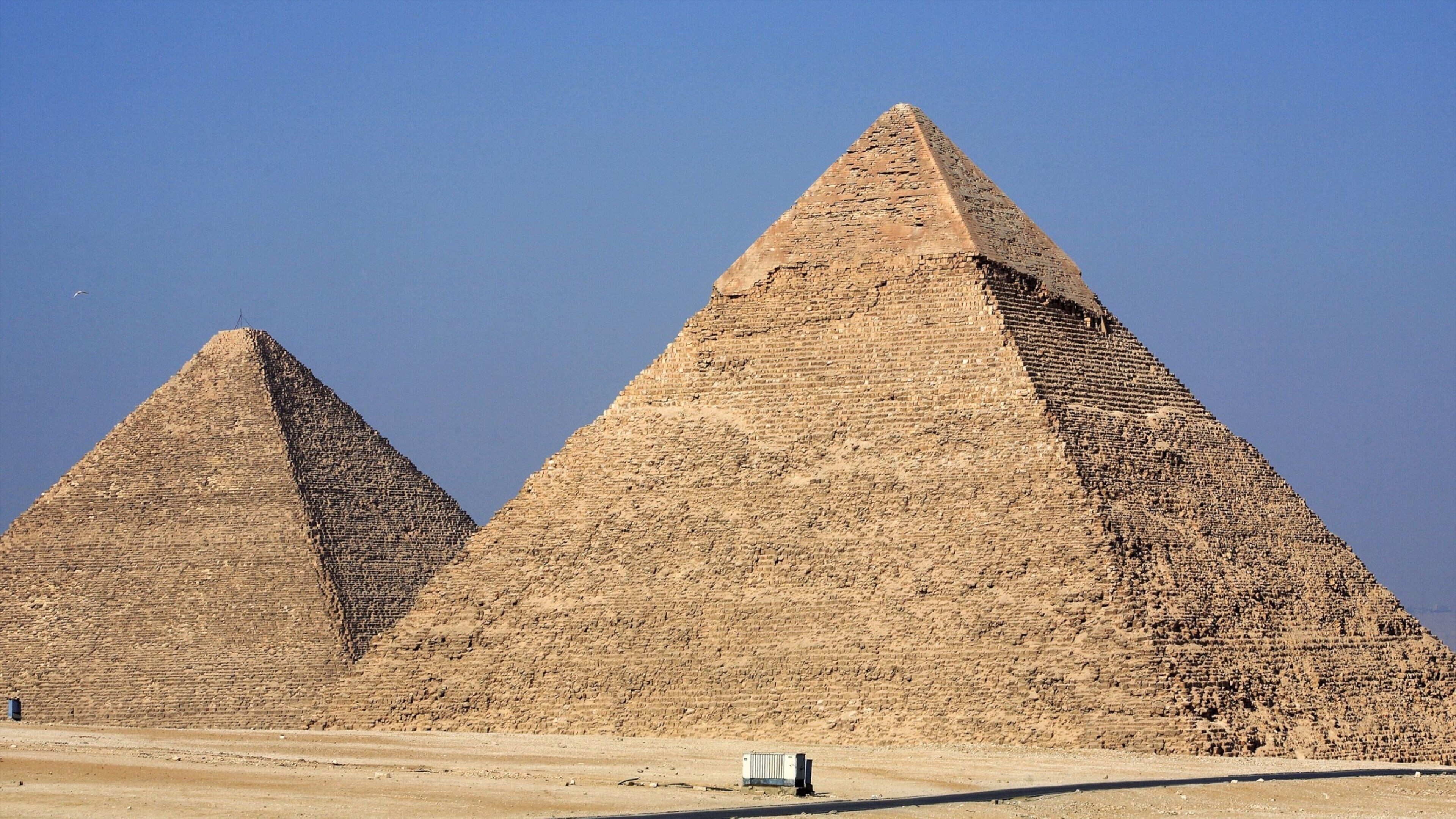
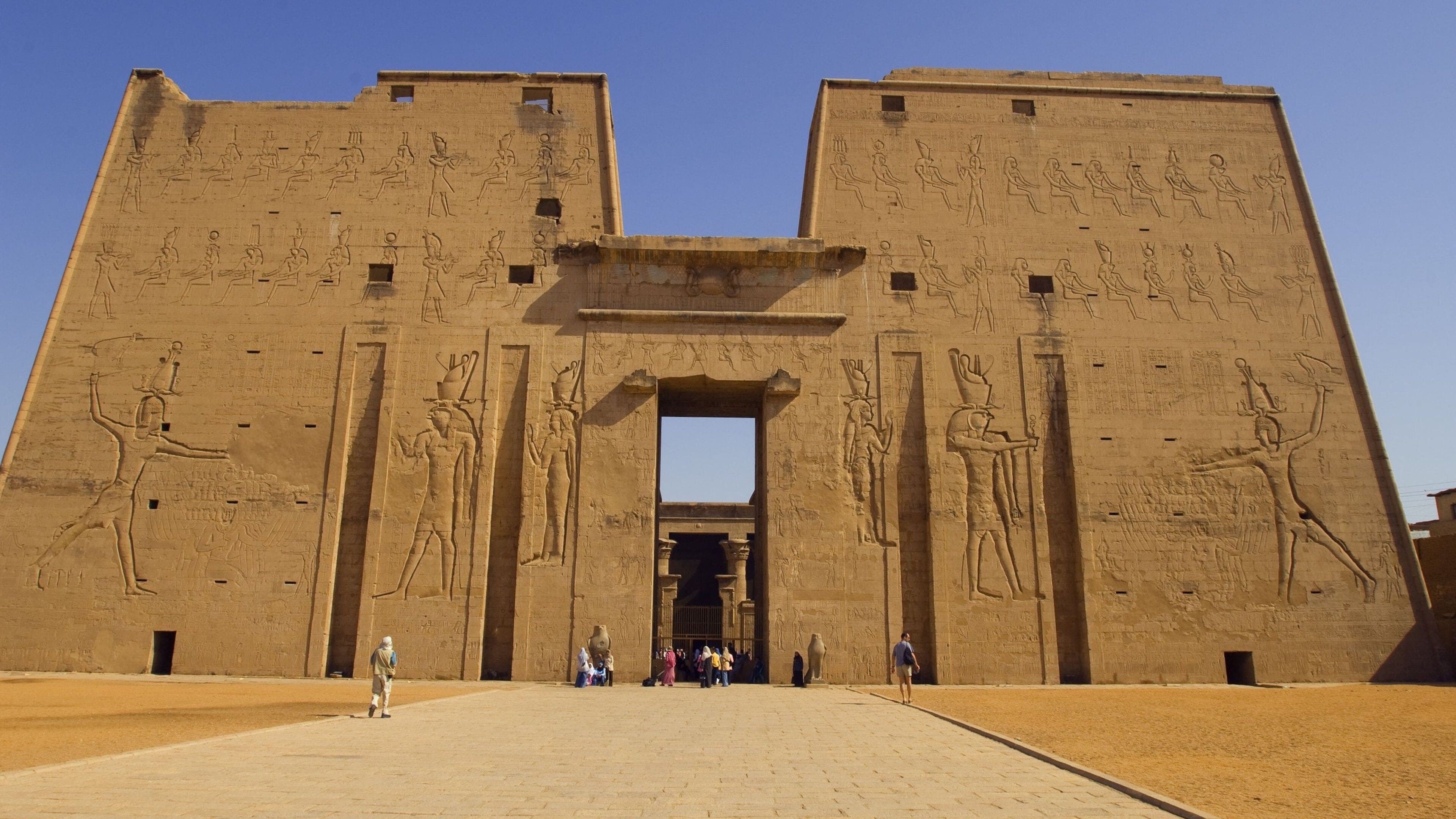
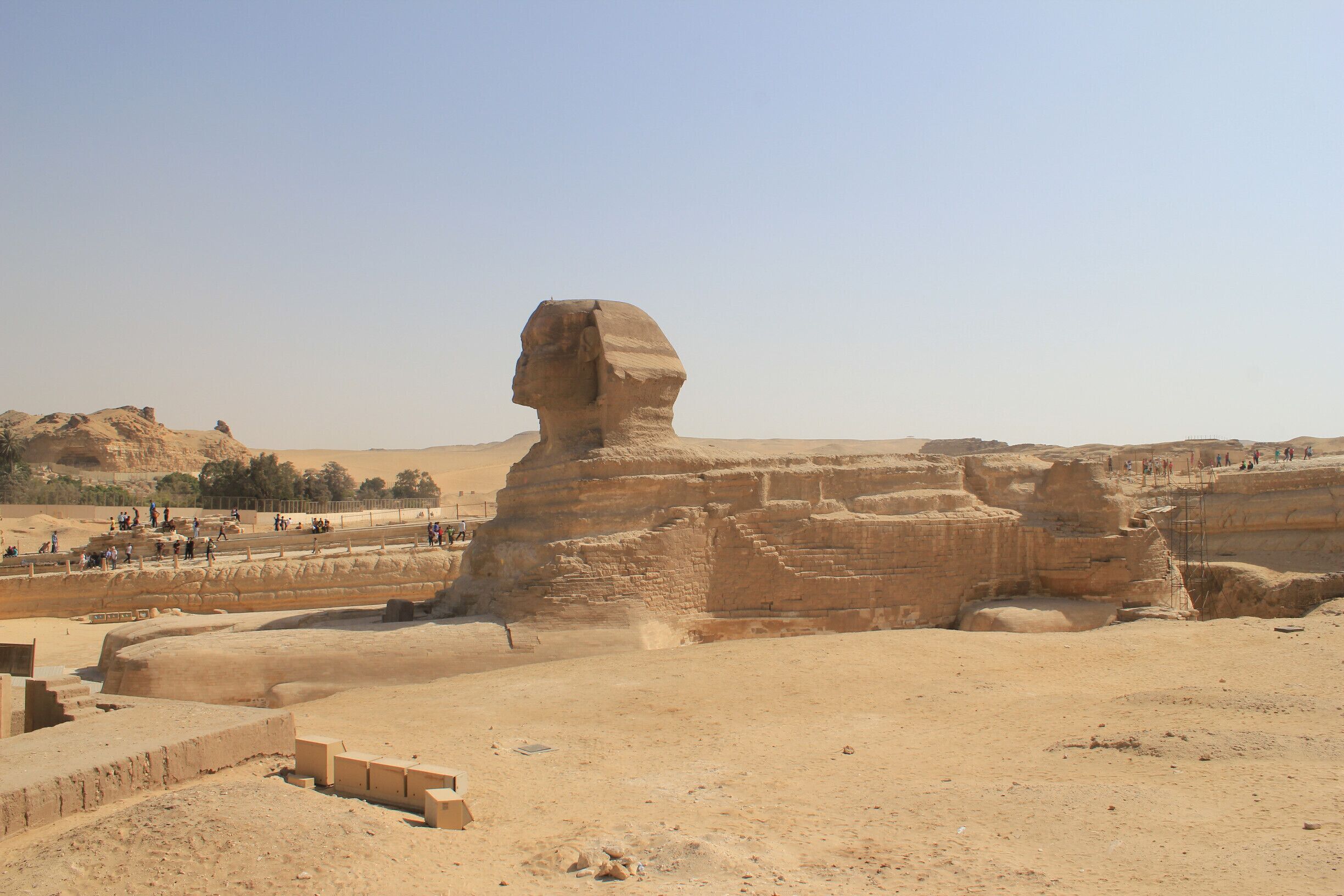
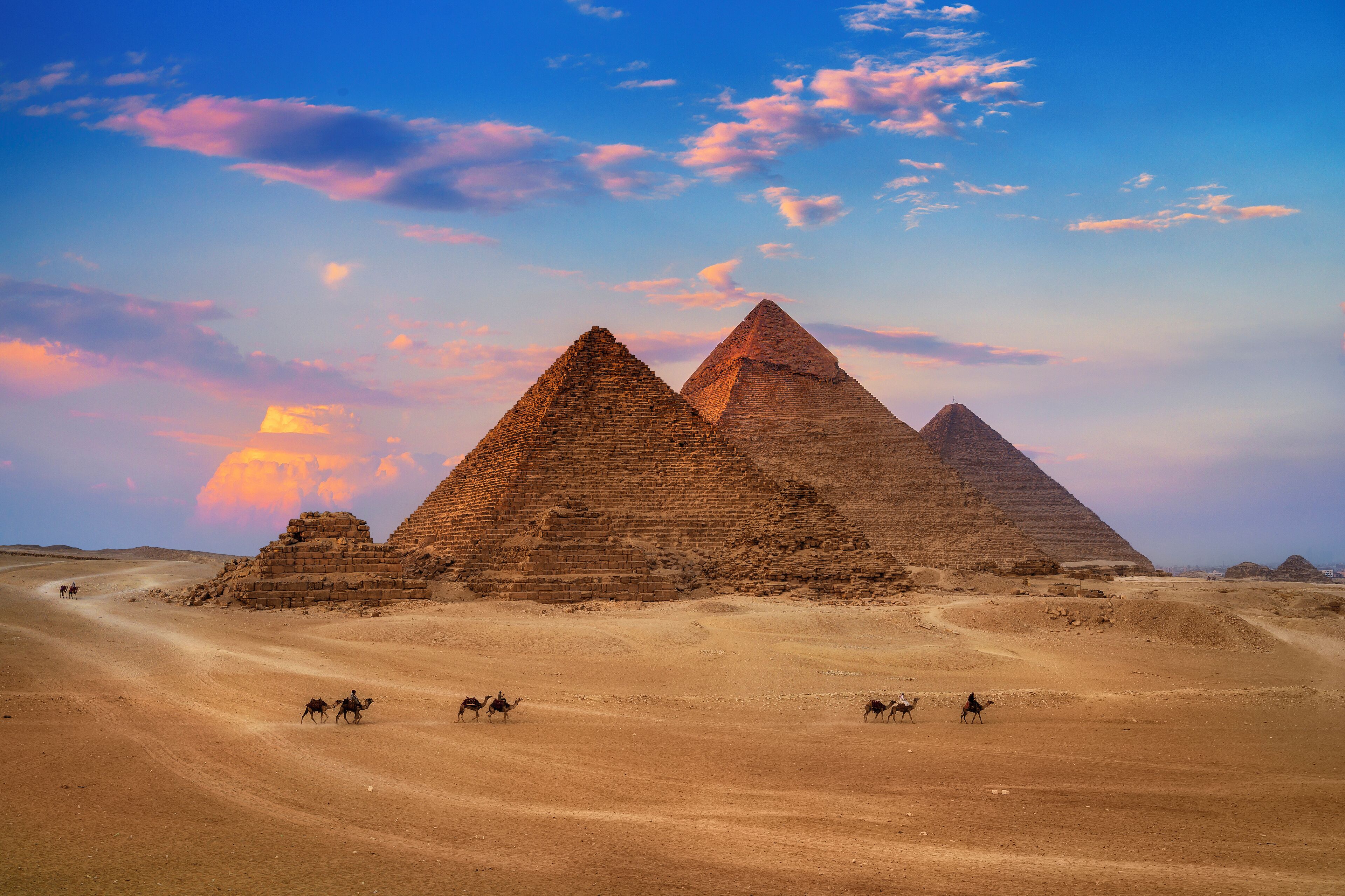
The Pyramids of Giza are the defining symbol of Egypt and the only surviving Wonder of the Ancient World, located just on the outskirts of Cairo. The complex consists of three main pyramids—Khufu, Khafre, and Menkaure—along with the smaller Queens' pyramids and the enigmatic Great Sphinx. Standing at the base of the Great Pyramid, you will be awestruck by the sheer size of the stone blocks, each weighing several tons. Families can purchase extra tickets to venture inside the narrow, humid tunnels of the pyramids, an adventurous experience that feels like exploring a secret dungeon.
The plateau is best explored in the morning to avoid the heat and the largest crowds, allowing you to take photos with clearer views. A short drive or walk away sits the Sphinx, the guardian of the necropolis with the body of a lion and the head of a king. Nearby, the Solar Boat Museum (moving to the Grand Egyptian Museum) displays an ancient ship buried for the Pharaoh's afterlife journey. To get the classic panoramic photo of all three pyramids aligned, you will need to travel to the designated "Panorama Point" further out in the desert.
Camel rides are iconic here, but it is vital to negotiate the price firmly before getting on to avoid uncomfortable situations. In the evening, the Sound and Light Show illuminates the pyramids with colorful lasers and tells the history of the site, which can be a fun, albeit kitschy, introduction for children. The area is currently undergoing a massive renovation with the opening of the new Grand Egyptian Museum (GEM) nearby, which will house the full Tutankhamun collection. Visitors should allocate at least 3 to 4 hours to properly see the site and soak in the atmosphere. Having internet access via eSIMlii is helpful here to fact-check history or translate signs that might not have English descriptions.
Karnak Temple Complex (Luxor)
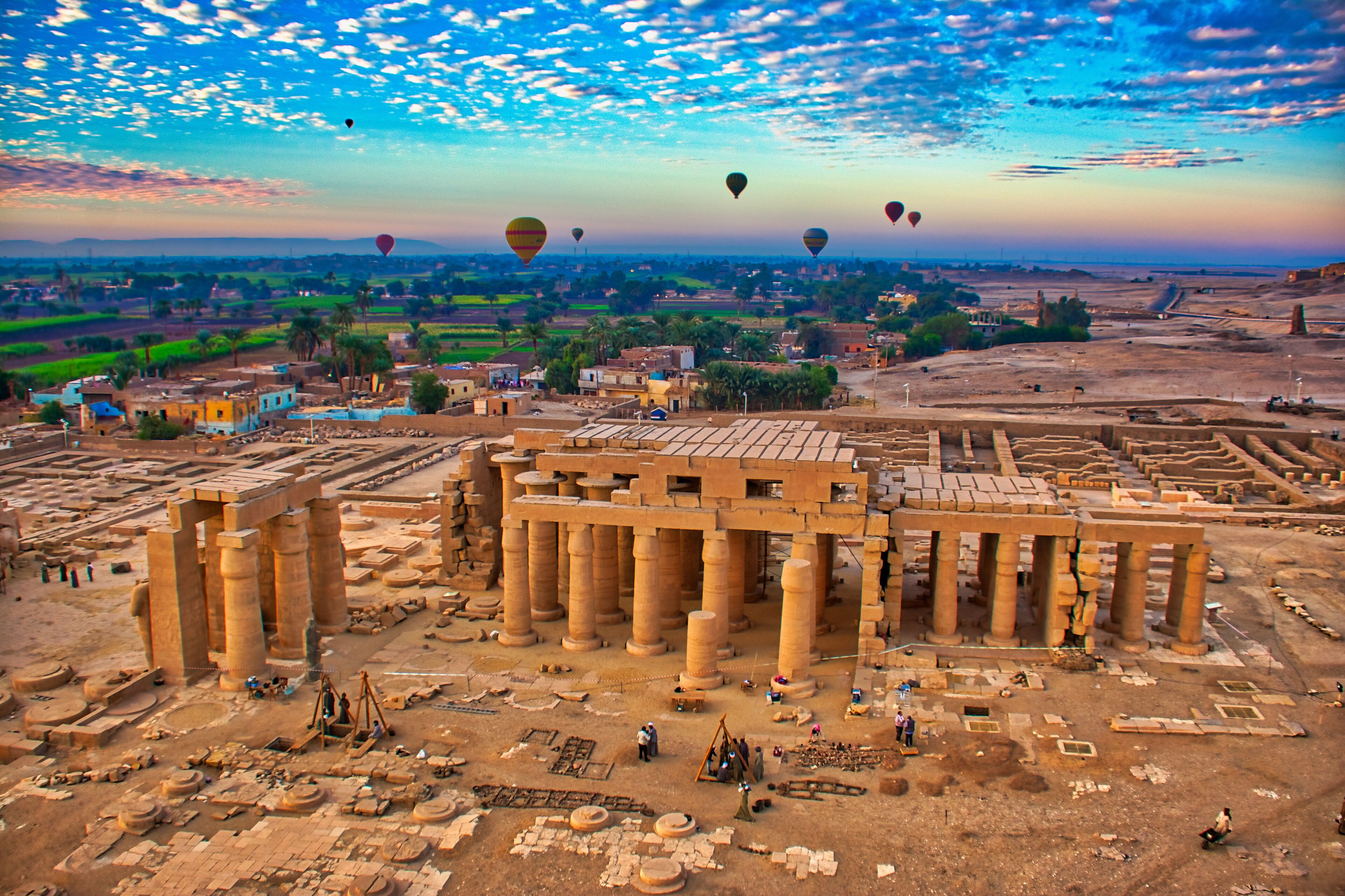
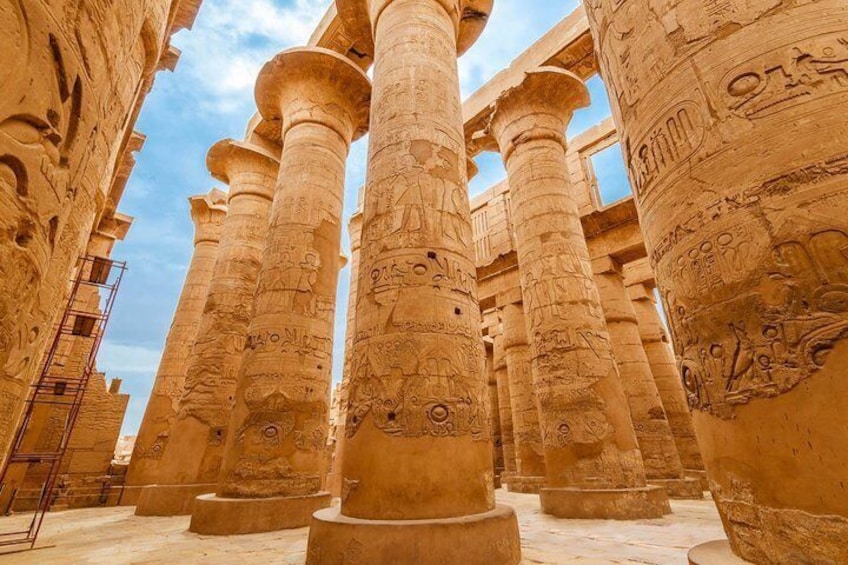
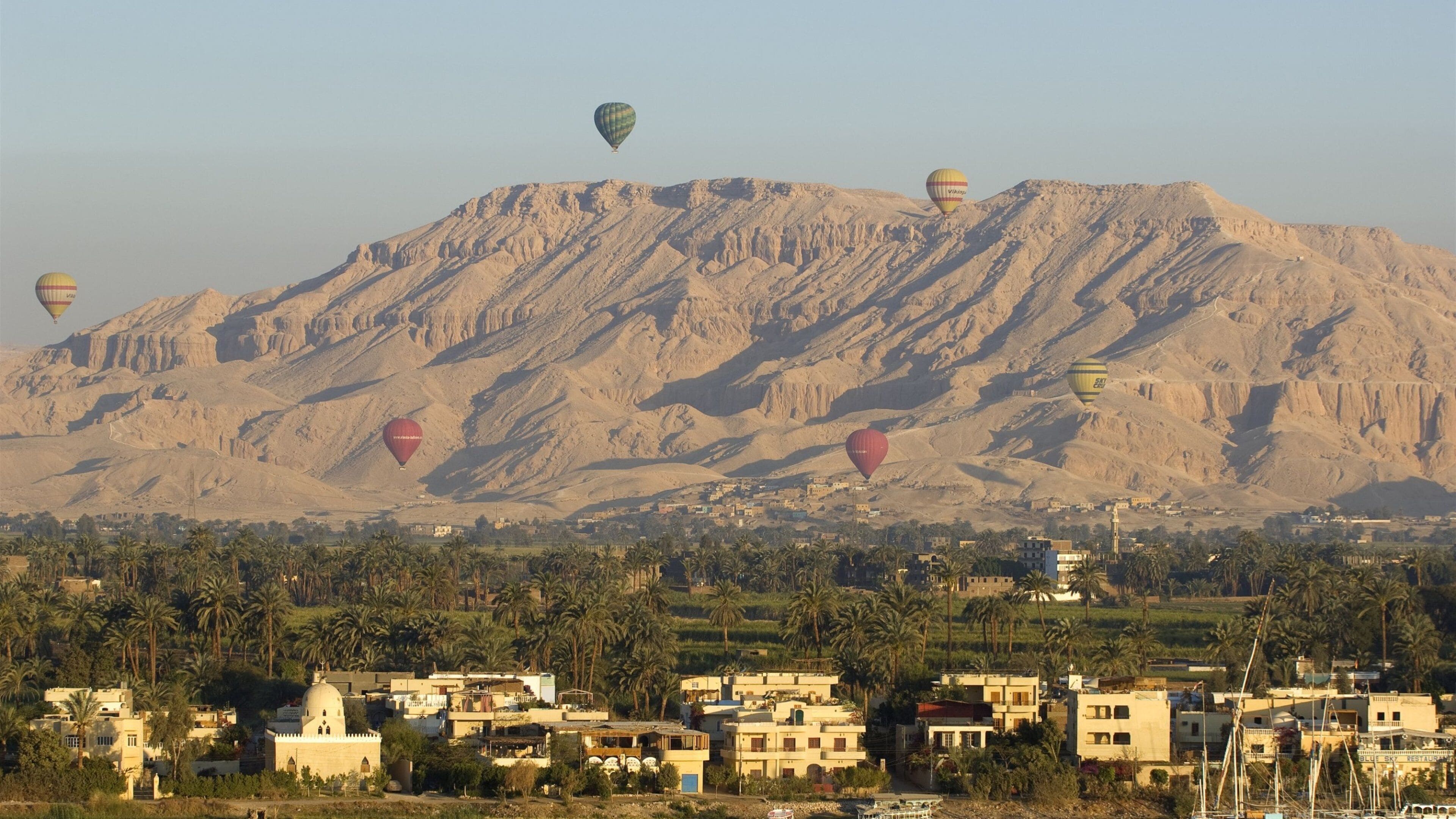
Karnak is not just a temple; it is the largest religious complex ever constructed, developed over 1,500 years by generation after generation of pharaohs. Located on the East Bank of Luxor, this site is a massive maze of pylons, chapels, and decaying temples that children will love exploring. The highlight is the Great Hypostyle Hall, a forest of 134 colossal stone columns that tower 80 feet into the air, covered in intricate hieroglyphics. It is easy to get lost in the sheer scale of the place, and walking through it makes you feel incredibly small in the presence of ancient devotion.
As you wander further back, you will find the Sacred Lake, where priests used to purify themselves before rituals, and a giant stone scarab beetle statue which locals say brings good luck if you walk around it seven times. The complex is dedicated primarily to the god Amun-Ra, and the walls tell stories of battles, festivals, and offerings to the gods. Because the site is so open and vast, it is best visited early in the morning or late in the afternoon to avoid the midday sun.
Karnak is connected to the smaller Luxor Temple by the newly restored Avenue of Sphinxes, a 3-kilometer path lined with stone statues that you can now walk along. In the evenings, Karnak also hosts a Sound and Light show that allows you to walk through the illuminated complex, which can be a spooky and magical experience for kids. Guides are essential here to decipher the complex history, so booking one in advance is highly recommended. The visitor center has a model of the complex that helps visualize what it looked like in its prime.
Abu Simbel Temples (Aswan)
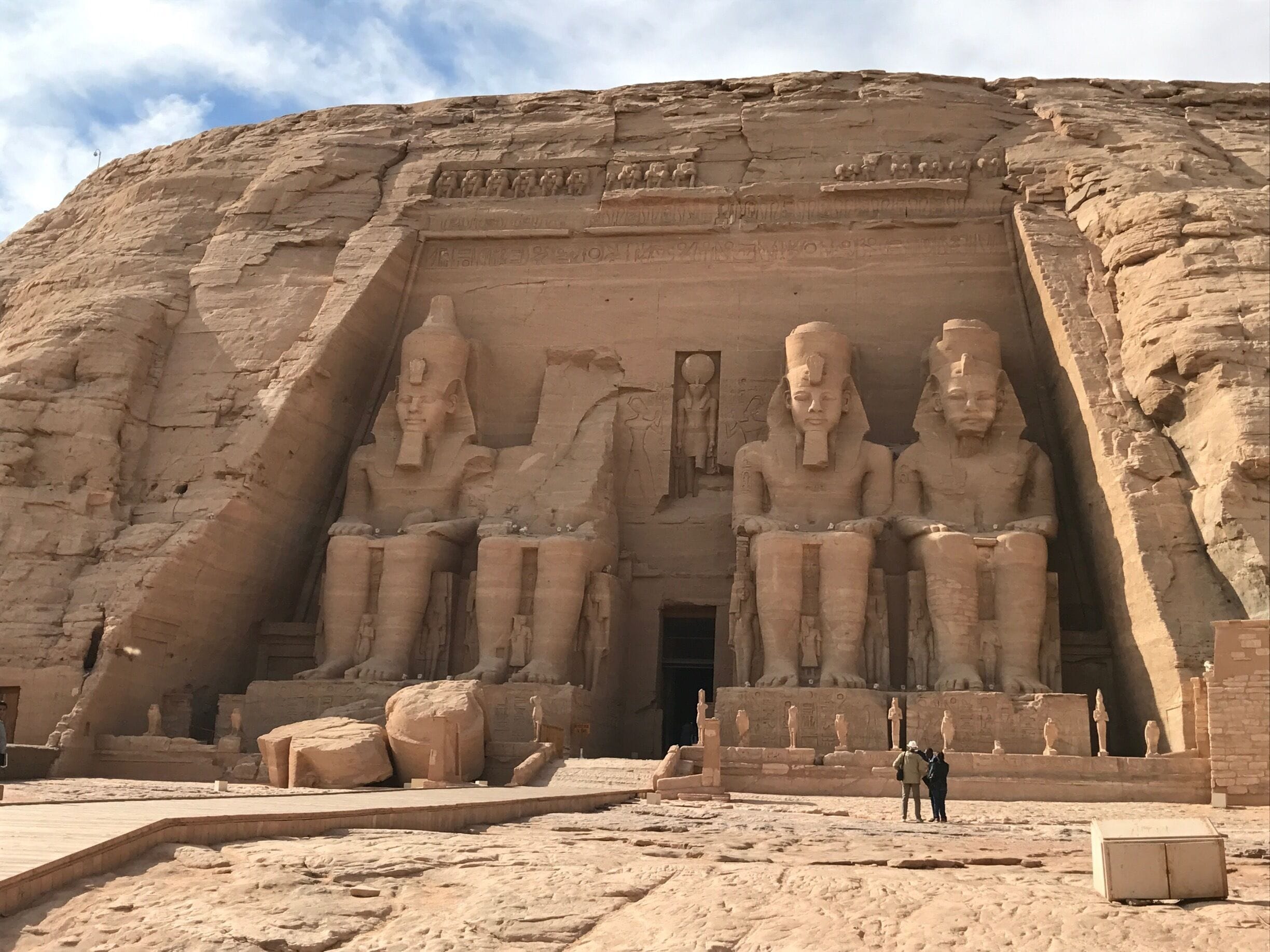
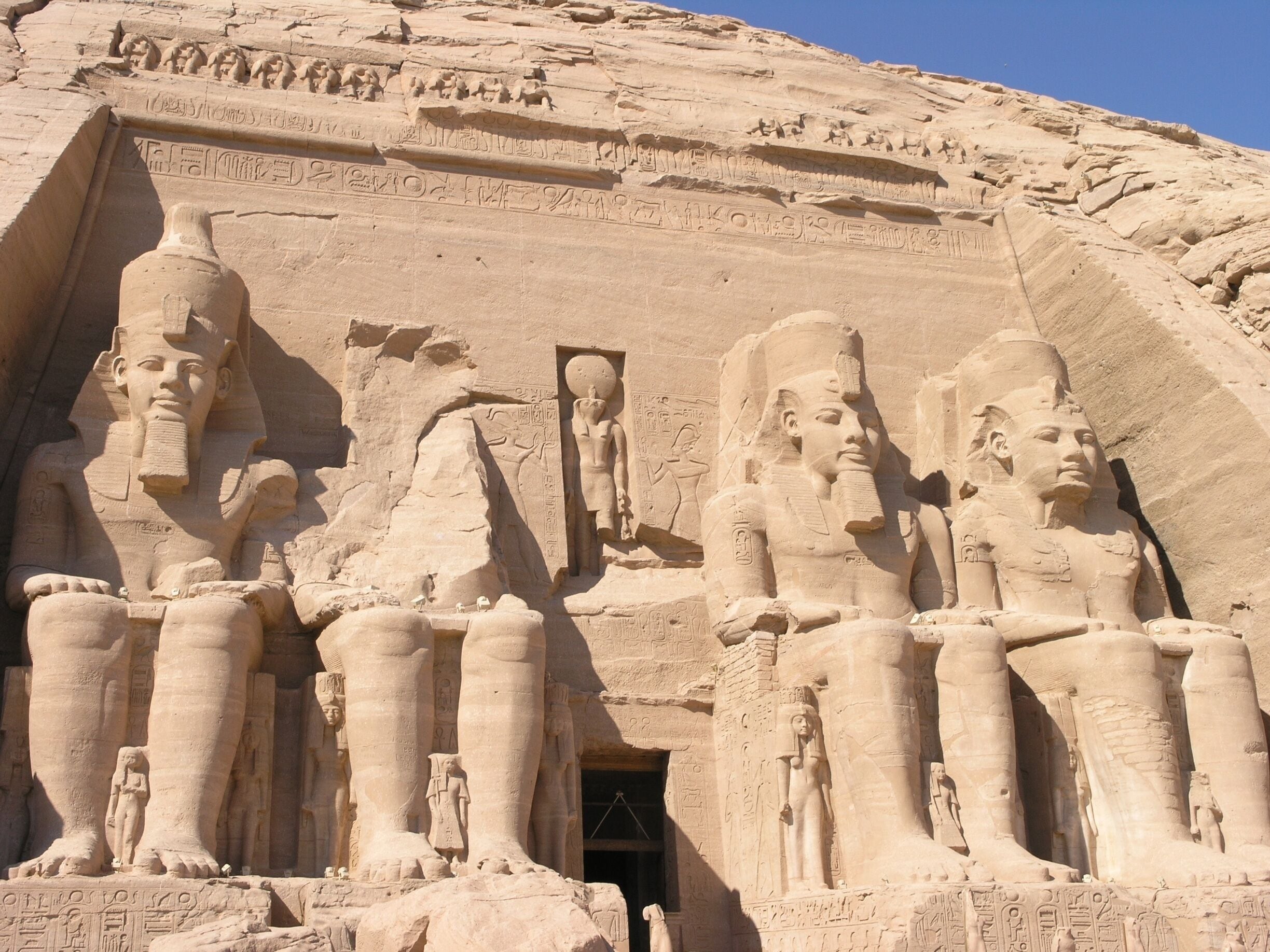
Abu Simbel is arguably the most impressive sight in Egypt after the Pyramids, featuring four massive statues of Ramses II carved directly into a mountain. Located near the Sudanese border, about a 3-hour drive or short flight from Aswan, it is a testament to both ancient engineering and modern preservation. The entire mountain temple was cut into blocks and moved in the 1960s by UNESCO to save it from the rising waters of Lake Nasser formed by the High Dam. This story of the temple's relocation is often as fascinating to kids as the temple itself.
The main temple aligns perfectly with the sun so that twice a year, light penetrates the inner sanctuary to illuminate three of the four statues of gods seated there. Next to the main temple is the smaller Temple of Hathor, built for Ramses' favorite wife, Queen Nefertari, which is unique because her statues are the same size as the King's. The isolation of the site, with the blue waters of Lake Nasser in front and the desert behind, creates a dramatic and peaceful atmosphere.
Most tourists visit as part of a convoy that leaves Aswan very early in the morning (around 4 AM) to arrive before the heat peaks. While the wake-up call is painful, the sunrise drive through the Sahara desert is part of the adventure. Inside the temple, the walls are covered in vibrant reliefs depicting Ramses' military victories, including the famous Battle of Kadesh. Photography used to be banned inside but is now allowed with a mobile phone or a specific camera ticket. This is a long day trip, so plenty of water and snacks are essential for the family.
Modern Attractions & Relaxation
After days of dusty temples and history lessons, balancing the trip with modern comfort and relaxation is vital for family harmony. Egypt offers world-class resorts and unique cruising experiences that provide a break from the hustle.
Hurghada & The Red Sea

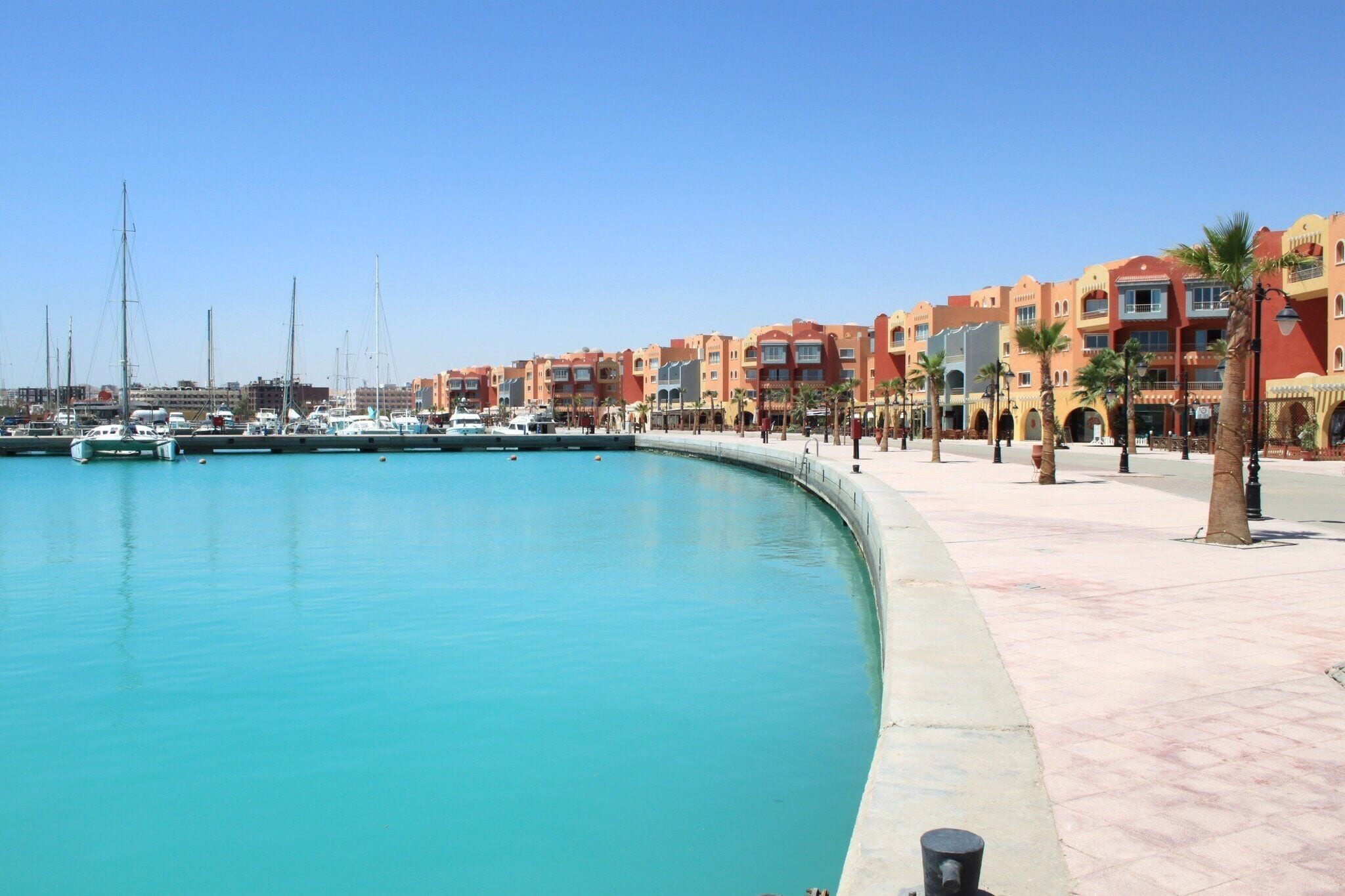
Hurghada is a premier resort town on the Red Sea coast, famous for its crystal-clear turquoise waters and year-round sunshine. It serves as the perfect relaxation leg of your 15-day itinerary, offering a Caribbean-like beach experience with the added bonus of desert mountains in the background. The area is dotted with family-friendly all-inclusive resorts that feature massive water parks, kids' clubs, and multiple swimming pools.
The real magic of Hurghada lies underwater; the Red Sea coral reefs are some of the healthiest and most colorful in the world. Families can take glass-bottom boat tours or semi-submarines to see the fish without getting wet, or opt for a snorkeling day trip to Giftun Island. For adventurous teenagers and parents, Hurghada is one of the cheapest and best places in the world to get PADI certified for scuba diving.
Beyond the beach, you can take a desert safari on quad bikes (ATVs) to visit a Bedouin village, ride camels, and watch the sunset over the dunes. The Hurghada Marina offers a nice evening promenade with clean, modern restaurants and shops away from the resort buffets. It is a very safe and tourist-centric city where English, German, and Russian are widely spoken. Wifi in resorts can be spotty, so your eSIMlii data will be crucial for uploading those underwater photos.
The Nile Cruise Experience
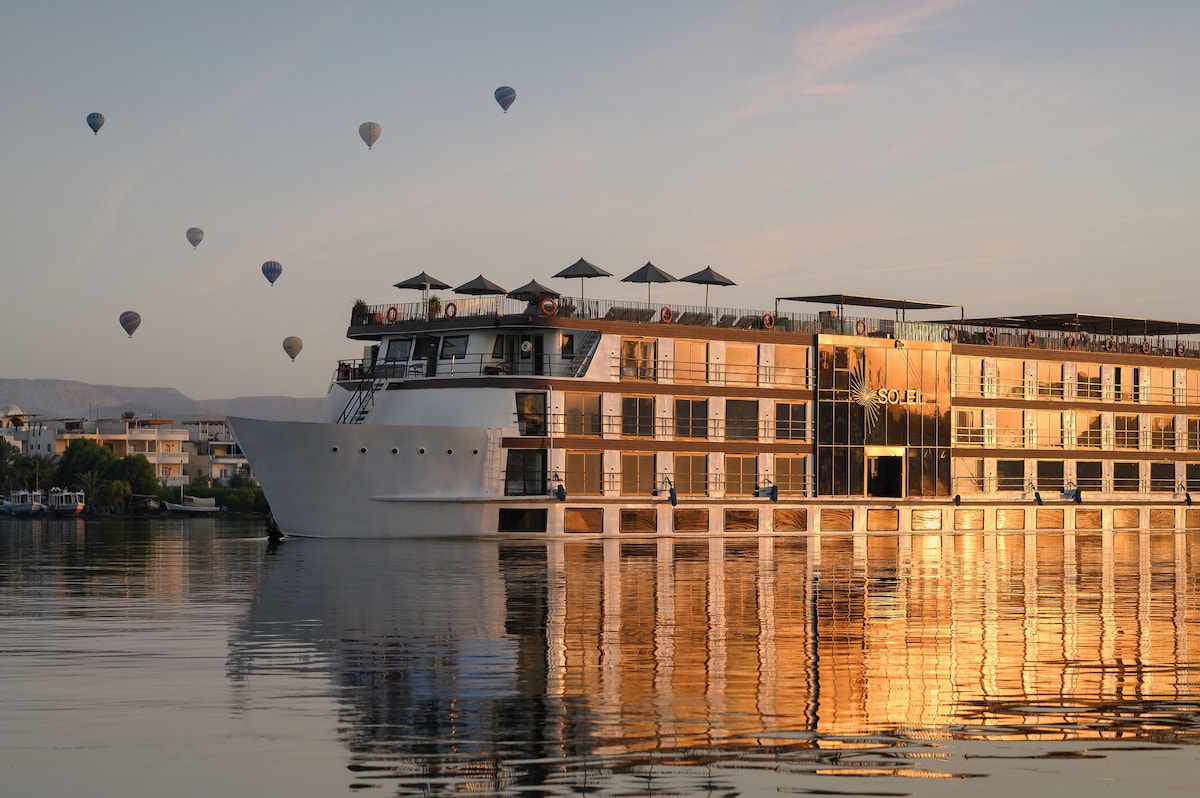
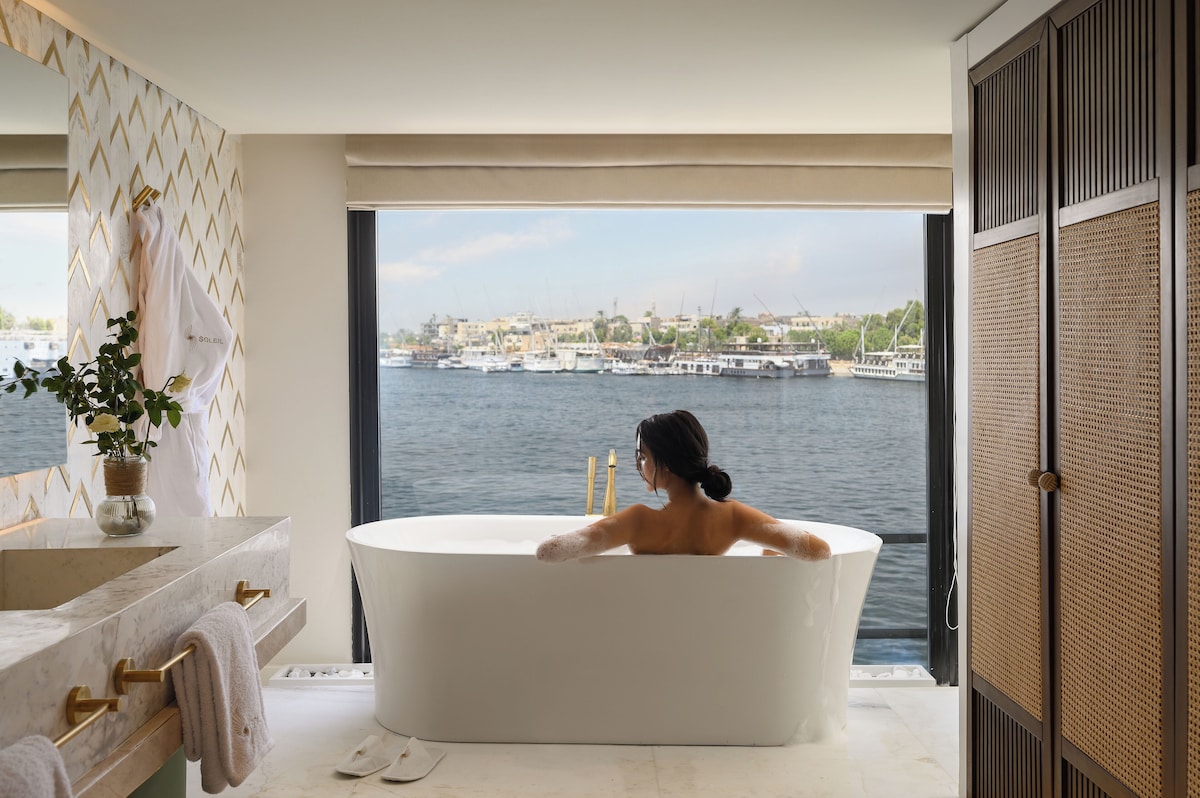
A Nile Cruise is the classic way to travel between Luxor and Aswan and remains the most relaxing way to see the country's southern monuments. Unlike ocean cruises, these are smaller river vessels that glide calmly along the water, offering constantly changing views of farmers, water buffaloes, and palm trees on the riverbanks. It is a "floating hotel" experience where you unpack once and let the scenery come to you.
Most cruises are 3 or 4 nights long and follow a standard schedule, stopping at the Temple of Edfu and the Temple of Kom Ombo along the way. Life on board is slow-paced; afternoons are spent lounging by the small pool on the sun deck while sipping tea as the sun sets over the Nile. The food is usually served buffet-style with a mix of international and Egyptian dishes, catering well to families with different tastes.
Evening entertainment often includes a "Galabeya Party" where guests dress up in traditional Egyptian tunics and dance, a fun event that children usually enjoy. It is important to book a 5-star or "Deluxe" cruise for hygiene and comfort standards, as the quality can vary significantly. The gentle motion of the boat is soothing, and sea sickness is virtually non-existent on the river. This leg of the trip allows for downtime that is much needed in the middle of a busy vacation.
15-Day Family Itinerary: The Ultimate Route
-
Day 1: Arrival in Cairo. Transfer to hotel (Giza or Downtown). Welcome dinner overlooking the Nile.
-
Day 2: Cairo. Full day at Giza Pyramids, Sphinx, and Saqqara (Step Pyramid).
-
Day 3: Cairo. The Egyptian Museum (Tahrir) or GEM. Visit the Citadel of Saladin and Mosque of Muhammad Ali.
-
Day 4: Fly to Aswan. Visit Philae Temple (on an island) and the Unfinished Obelisk. Check into hotel.
-
Day 5: Abu Simbel Day Trip. Early morning drive/flight. Return to Aswan for a felucca sailboat ride at sunset.
-
Day 6: Board Nile Cruise in Aswan. Visit Kom Ombo Temple (Crocodile God). Sail towards Edfu.
-
Day 7: Nile Cruise. Visit Edfu Temple (Horus) by horse carriage. Sail through the Esna Lock (kids love watching the water levels change).
-
Day 8: Arrive in Luxor. Visit Luxor Temple and Karnak Temple on the East Bank.
-
Day 9: Luxor West Bank. Valley of the Kings, Temple of Hatshepsut, Colossi of Memnon. Disembark cruise.
-
Day 10: Travel to Hurghada. Private transfer (approx. 4 hours) to the Red Sea. Check into resort.
-
Day 11: Hurghada. Beach day and swimming at the resort.
-
Day 12: Hurghada. Boat trip to Giftun Island for snorkeling and swimming.
-
Day 13: Hurghada. Desert Safari (Quad bikes/Jeep) and Bedouin dinner.
-
Day 14: Fly back to Cairo. Last-minute shopping at Khan el-Khalili bazaar (souvenirs).
-
Day 15: Departure from Cairo International Airport.
Is it Safe in Egypt?
Egypt is generally very safe for tourists, and the government places a high priority on the security of foreign visitors. You will notice a visible police presence, security checkpoints on roads, and metal detectors at the entrance of every hotel and mall. Violent crime against tourists is extremely rare. However, petty crime like pickpocketing can occur in crowded areas, so always watch your belongings. How NOT to Get Scammed:
-
The "Present" Scam: A vendor may force a "free gift" into your hand. Refuse it firmly; nothing is free.
-
Camel/Taxi Price Switch: They may quote "50" and then claim they meant "50 Pounds" not "50 Dollars" or vice versa. Agree on the currency and total price before starting.
-
"The Museum is Closed": Someone may stop your taxi saying the road is closed or the museum is closed, trying to divert you to their shop or horse stable. Ignore them.
-
Official Guides: Only hire guides through your hotel or a reputable agency. People hanging around temples wearing badges are often not official.
Daily Budget for Egypt
Egypt caters to all budgets. For a comfortable family vacation (Mid-Range to Luxury), here is a breakdown:
-
Budget (Backpacker): $40 - $60 USD per person/day.
-
Mid-Range (Comfortable): $100 - $180 USD per person/day.
-
Luxury: $250+ USD per person/day.
Typical Costs (2025/2026 Estimates):
-
5-Star Hotel Night: $150 - $300 USD.
-
Dinner for 4 (Restaurant): $40 - $80 USD.
-
Uber Ride (City): $3 - $8 USD.
-
Temple Entry: $10 - $25 USD per adult (Kids often 50%).
-
Sim Card/eSIM: $15 - $30 USD.
What to Pack for Egypt?
-
Clothing: Breathable linens and cotton. Long pants/skirts for mosque visits (women need a headscarf).
-
Footwear: Very comfortable walking shoes (lots of dust/sand) and water shoes for the Red Sea (coral can be sharp).
-
Sun Protection: High SPF sunscreen, wide-brimmed hats, and sunglasses are non-negotiable.
-
Health: Hand sanitizer, Imodium/antidiarrheal (essential!), rehydration salts, and bug spray.
-
Tech:
eSIM from eSIMlii -
Misc: Toilet paper (often missing in public restrooms), small change (coins/small bills) for tipping bathroom attendants.
Where to Stay & Eat (Booking Links & Reviews)
Cairo
-
Stay:
Marriott Mena House -
Stay:
Ramses Hilton -
Eat:
Koshary Abou Tarek
Luxor
-
Stay:
Hilton Luxor Resort & Spa -
Eat: Sofra Restaurant & Cafe (Rooftop, traditional). Review: "Amazing duck and stuffed pigeon in a beautiful setting."
Hurghada
-
Stay:
Steigenberger ALDAU Beach Hotel -
Eat: Moby Dick (Seafood/Steak). Review: "Great camel steak and fresh seafood right by the marina."
Frequently Asked Questions (FAQ)
-
Do I need a visa for Egypt? Yes, most visitors need a visa. You can get a Visa on Arrival ($25) or an e-Visa.
-
Can I drink the tap water? No. Always drink bottled water and use it to brush your teeth to avoid "Pharaoh's Revenge" (stomach bug).
-
Is Egypt safe for kids? Yes, Egyptians love children. However, hold hands in busy streets as traffic is chaotic.
-
What is the currency? Egyptian Pound (EGP). Carry cash for small tips and vendors.
-
Do I need to tip? Yes, "Baksheesh" (tipping) is expected for everything—bathroom attendants, drivers, luggage porters (5-20 EGP is standard).
-
How should women dress? Conservative dress is respectful. Cover shoulders and knees in cities; swimsuits are fine in Red Sea resorts.
-
Is Uber available? Yes, in Cairo and Alexandria. It is safer and cheaper than street taxis.
-
Can I use my credit card? Yes, in hotels and big restaurants. You need cash for bazaars, small shops, and tips.
-
What language is spoken? Arabic. English is widely spoken in tourist areas.
-
Will my phone work? Only if you have roaming or a local SIM. An
eSIM from eSIMlii
Why This Will Be The Best 15-Day Vacation
This 15-day Egypt itinerary offers the perfect "sandwich" of experiences: it starts with the high-energy awe of the Pyramids, transitions into the slow-paced cultural immersion of the Nile Cruise, and finishes with total relaxation by the sea. You are not just seeing sights; you are traversing thousands of years of history while enjoying modern comforts. The memories of watching the sunrise over the Sahara, deciphering hieroglyphics with your children, and swimming in the Red Sea will bind your family together in a way few other destinations can. It is affordable, educational, and undeniably magical—truly the trip of a lifetime.
Stay Connected in Egypt With eSIMlii
Planning your Egypt adventure? Choose an